

Types and Practical Applications of Pneumatic Conveying Systems for Monosodium Glutamate (MSG) Trans
Monosodium glutamate (MSG), a widely used flavor enhancer in the food industry, requires efficient and reliable transport solutions to ensure quality and safety during handling. Pneumatic conveying systems have emerged as a critical technology for transporting MSG, offering advantages such as hygienic operation, minimal product contamination, and the ability to handle fine powders. This article explores the different types of pneumatic conveying systems used in MSG transport and their practical applications, highlighting the expertise of Shandong HeadPowder Engineering Co., Ltd. (headpowder), a leading provider in the field.
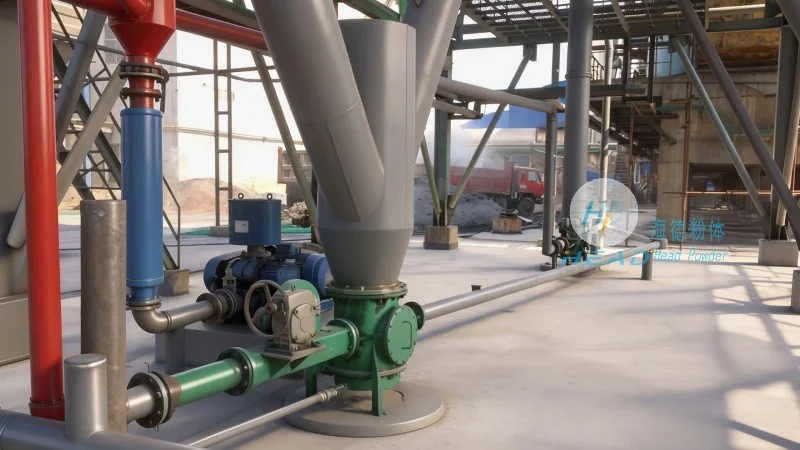
Types of Pneumatic Conveying Systems for MSG Transport
There are primarily two main categories of pneumatic conveying systems: dilute-phase and dense-phase systems. Each type has distinct characteristics that make it suitable for different MSG handling scenarios.
Dilute-Phase Pneumatic Conveying Systems
Dilute-phase systems operate by transporting the material in a low concentration of particles suspended in a high volume of air. This method is ideal for short to medium-distance transport and is commonly used for MSG due to its ability to handle fine powders without clogging. The system typically uses positive pressure or negative pressure to move the material through a pipeline. Positive pressure systems, where air is blown into the system, are often preferred for MSG transport as they provide better control over the material flow and reduce the risk of dust exposure. Negative pressure systems, on the other hand, are used when the material needs to be transported from a high point to a lower point, such as from a silo to a processing plant. The choice between positive and negative pressure depends on the specific layout and requirements of the MSG handling facility.
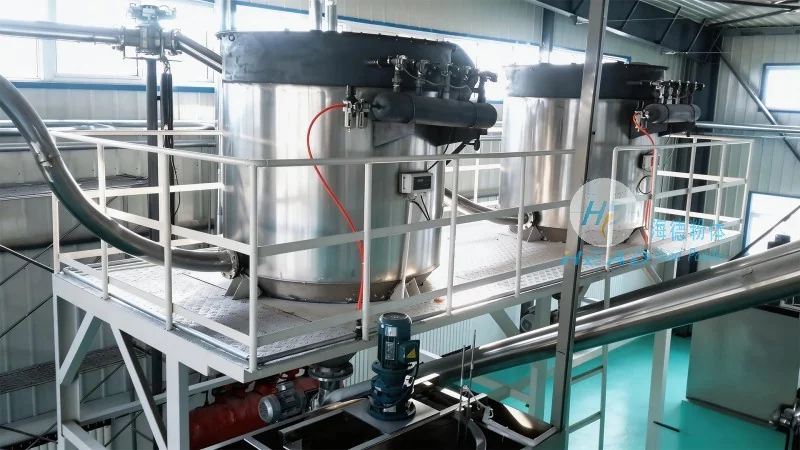
Dense-Phase Pneumatic Conveying Systems
Dense-phase systems, also known as low-pressure or slugging systems, transport the material in a higher concentration of particles, typically at a lower air velocity. This method is more suitable for longer distances and for handling materials that are prone to bridging or clogging, such as some types of MSG with high moisture content or varying particle sizes. Dense-phase systems use a piston or plunger to push the material through the pipeline, ensuring a more controlled and consistent flow. This approach minimizes the risk of product degradation and ensures that the MSG reaches its destination without loss of quality. For MSG transport, dense-phase systems are particularly useful when transporting from a storage silo to a production line over longer distances, as they maintain the integrity of the product throughout the process.
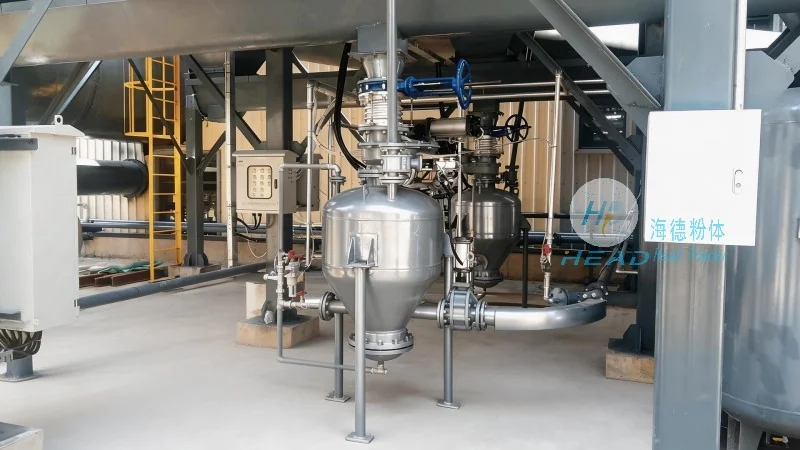
Practical Applications of Pneumatic Conveying Systems in MSG Handling
The practical applications of pneumatic conveying systems in MSG transport vary based on the specific needs of the food processing facility. One common application is the transfer of MSG from large storage silos to processing equipment, such as mixers or reactors. This process requires a system that can handle large volumes of fine powder efficiently and hygienically. Pneumatic conveying systems excel in this scenario, as they can transport MSG from the silo to the processing area without the need for manual handling, reducing labor costs and minimizing the risk of contamination. Another application is the transport of MSG between different production lines or between a production facility and a packaging plant. In these cases, the system must be flexible and able to adapt to varying flow rates and distances. Pneumatic conveying systems offer this flexibility, allowing for seamless integration into existing production workflows. Additionally, these systems are used in the distribution of MSG to various food manufacturers, ensuring that the product is delivered in a clean and controlled manner. The ability to handle different particle sizes and moisture contents makes pneumatic conveying systems versatile for various MSG products, from standard MSG to specialized formulations.
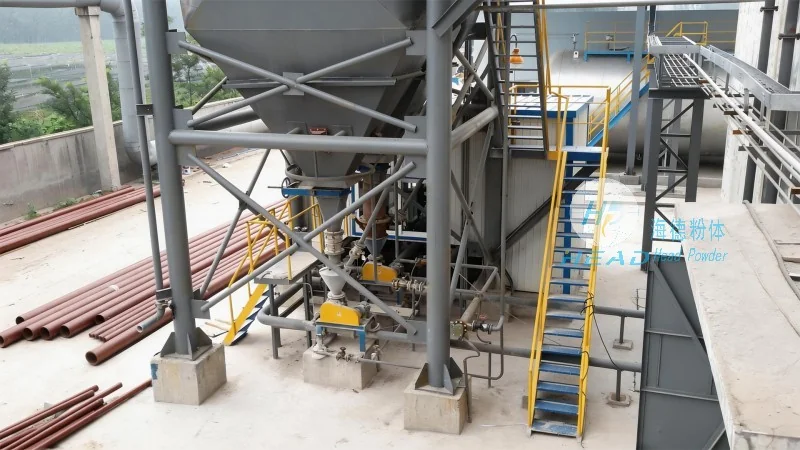
Benefits of Using Pneumatic Conveying Systems for MSG Transport
Implementing pneumatic conveying systems for MSG transport offers several key benefits that enhance operational efficiency and product quality. Firstly, these systems provide a hygienic and dust-free environment, which is crucial for food-grade products like MSG. The enclosed pipeline system prevents contamination from external sources and reduces the risk of dust inhalation by operators. Secondly, pneumatic conveying systems are highly efficient in terms of energy consumption and material handling. They can transport large volumes of MSG over long distances with minimal energy input, reducing operational costs. Thirdly, the systems are flexible and can be easily integrated into existing production lines, allowing for adjustments to meet changing production demands. This adaptability is particularly important in the food industry, where product specifications and production volumes can vary. Finally, pneumatic conveying systems contribute to improved product quality by minimizing the risk of product degradation, such as caking or agglomeration, which can occur during manual handling or with less efficient transport methods. The controlled flow and low air velocity in these systems help maintain the physical properties of the MSG, ensuring that it remains in optimal condition for use in food products.
Conclusion
Pneumatic conveying systems are a vital technology for the efficient and safe transport of monosodium glutamate (MSG) in the food industry. The choice between dilute-phase and dense-phase systems depends on the specific requirements of the MSG handling facility, including distance, material characteristics, and operational needs. Shandong HeadPowder Engineering Co., Ltd. (headpowder) specializes in designing and implementing these systems, ensuring that they meet the highest standards of hygiene, efficiency, and reliability. By leveraging the expertise of headpowder, food manufacturers can enhance their MSG transport processes, reduce costs, and maintain the quality of their products. As the demand for MSG continues to grow, the use of advanced pneumatic conveying systems will remain essential in meeting the industry's needs for safe and efficient material handling.