

Types and Practical Applications of Pneumatic Conveying Systems for Foam Plastic Handling
When it comes to efficiently transporting foam plastics, pneumatic conveying systems offer a reliable and versatile solution. These systems utilize air or gas to move materials through a pipeline, eliminating the need for mechanical components like belts or buckets in many cases. The technology is particularly well-suited for foam plastics due to their lightweight nature and potential for dust generation during handling. By understanding the different types of pneumatic conveying systems and their practical applications, industries can optimize their material handling processes, enhance safety, and improve overall operational efficiency.
Types of Pneumatic Conveying Systems for Foam Plastic Handling
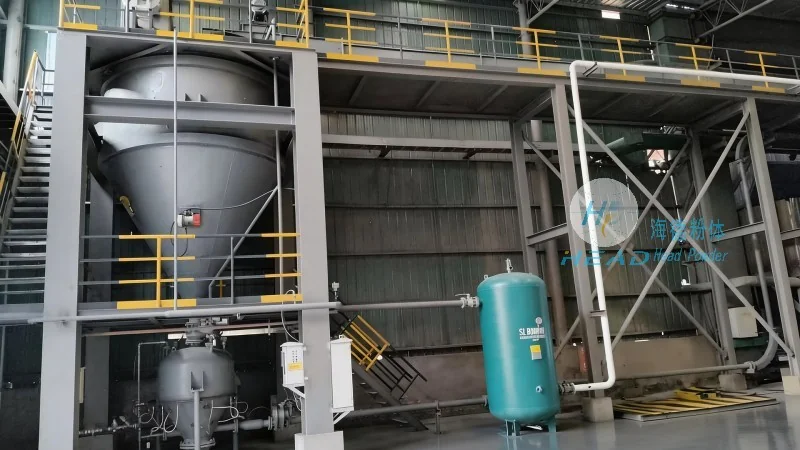
There are several key types of pneumatic conveying systems commonly used in the handling of foam plastics. Each type has its own advantages and is selected based on factors such as material characteristics, distance of transport, and system requirements. The primary categories include:
- Positive Pressure Systems: These systems use compressed air to push material through the pipeline. They are ideal for short to medium distances and are effective for handling light, non-abrasive materials like foam plastics. The air is introduced at the inlet, creating a positive pressure that propels the material forward.
- Negative Pressure (Vacuum) Systems: In contrast, negative pressure systems use suction to draw material into the pipeline. This approach is suitable for applications where the material needs to be collected from multiple points or over a wide area. Vacuum systems are often used for handling materials that are prone to dust or where a gentle handling method is required.
- Combination (Closed Loop) Systems: These systems combine elements of both positive and negative pressure, operating in a closed loop to recycle air and reduce energy consumption. They are highly efficient for long-distance transport and can handle a wide range of materials, including foam plastics, with minimal environmental impact.
Each system type offers unique benefits, and the choice depends on the specific operational needs of the foam plastic handling process. For instance, positive pressure systems are often preferred for high-volume, short-distance transport, while vacuum systems may be more suitable for collecting foam plastics from various sources or for handling materials that are sensitive to pressure changes.
Practical Applications of Pneumatic Conveying Systems in Foam Plastic Handling
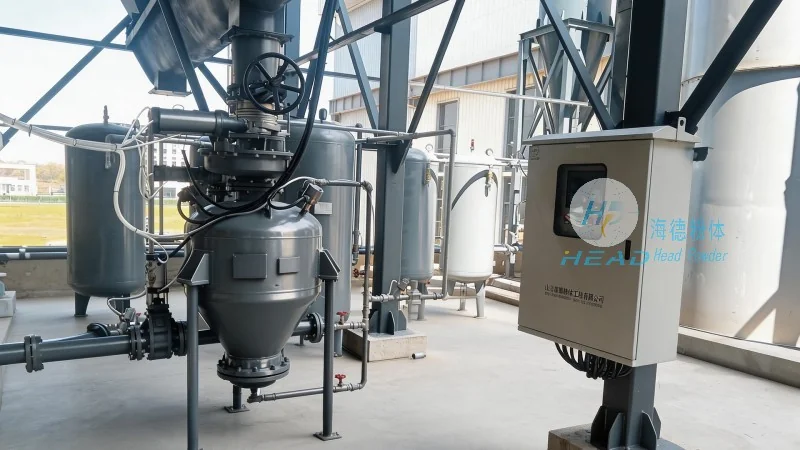
Pneumatic conveying systems find extensive use in various applications involving foam plastics. Some of the most common practical applications include:
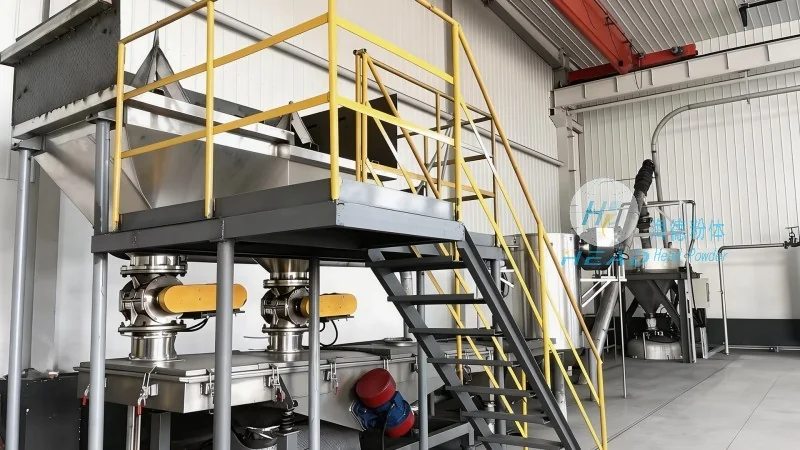
- Raw Material Transport: From storage silos or bulk containers to processing lines, pneumatic conveying systems efficiently move foam plastic raw materials. This ensures a continuous supply of materials to production facilities, reducing downtime and improving production throughput.
- Product Transfer: After processing, foam plastic products may need to be transferred to packaging or storage areas. Pneumatic conveying systems provide a clean and efficient method for moving finished products, minimizing contamination and ensuring product integrity.
- Waste and Scrap Handling: In manufacturing environments, foam plastic waste or scrap needs to be collected and recycled. Pneumatic conveying systems can effectively handle these materials, transporting them to recycling or disposal facilities without the need for manual handling, which enhances safety and reduces labor costs.
- Quality Control and Sampling: During production, it is often necessary to take samples of foam plastic materials for quality assessment. Pneumatic conveying systems can be integrated with sampling equipment, allowing for precise and representative sampling without disrupting the main material flow.
These applications demonstrate the versatility and effectiveness of pneumatic conveying systems in foam plastic handling. By leveraging the right system type and configuration, industries can achieve optimal performance, reduce operational costs, and improve overall process reliability.
Company Profile: Shandong HeadPowder Engineering Co., Ltd.
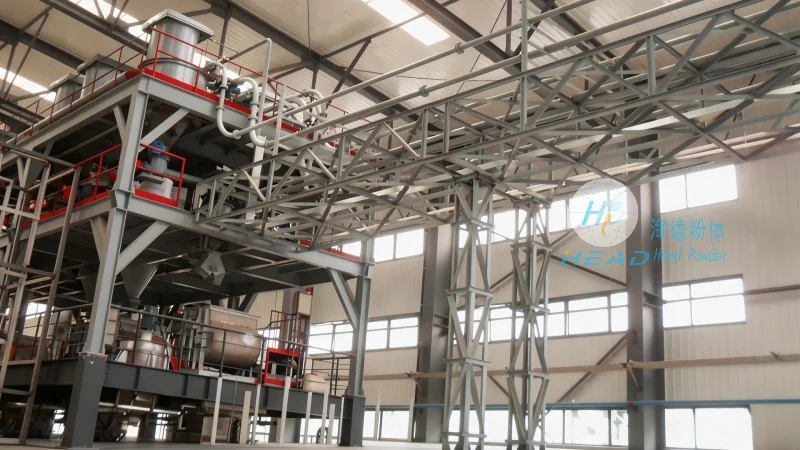
As a leading provider of material handling solutions, Shandong HeadPowder Engineering Co., Ltd. specializes in designing and manufacturing pneumatic conveying systems tailored to the unique needs of foam plastic industries. With a focus on innovation and customer satisfaction, the company offers comprehensive services, including system design, installation, and maintenance. HeadPowder's expertise lies in understanding the specific challenges of foam plastic handling, such as material lightness, dust generation, and the need for gentle handling, and developing customized solutions to address these challenges.
The company's facilities are located in Shandong, China, where it leverages advanced technology and skilled engineering teams to deliver high-quality pneumatic conveying systems. By partnering with HeadPowder, businesses can benefit from reliable, efficient, and cost-effective material handling solutions that enhance their operational performance and contribute to long-term success in the foam plastic industry.