

Types and Practical Applications of Pneumatic Conveying Systems for Algal Residue Particle Transport
Pneumatic conveying systems have emerged as a critical technology in the processing and handling of algal residue particles. These systems utilize air or gas to transport solid materials, offering advantages such as flexibility, efficiency, and the ability to handle delicate or abrasive particles like those derived from algal biomass processing. Understanding the different types of pneumatic conveying systems and their practical applications is essential for optimizing material transport in algal residue management operations.
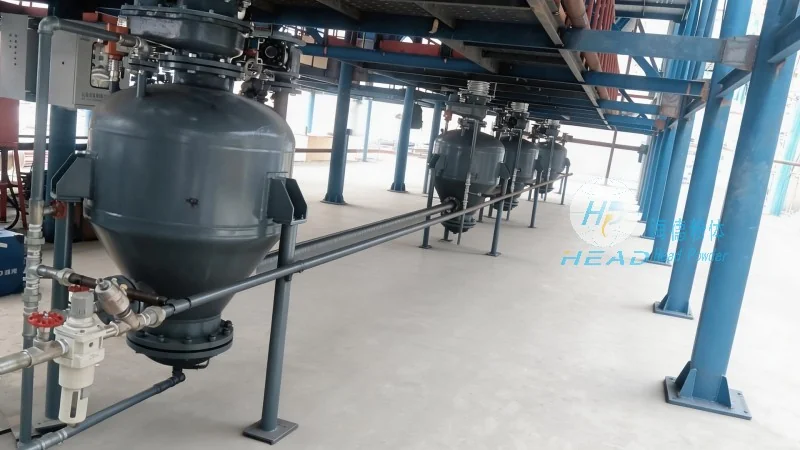
Types of Pneumatic Conveying Systems
There are primarily two main categories of pneumatic conveying systems: positive pressure and negative pressure systems. Each type has distinct characteristics and is suited for different operational requirements.
Positive pressure systems operate by blowing air or gas into the conveying line, creating a pressure higher than the ambient air pressure. This method is effective for short to medium-distance transport and is often used when the material is abrasive or has a high moisture content. The system typically includes a blower, a hopper for material storage, and a discharge point where the material is released under pressure. Positive pressure systems are known for their high conveying capacity and ability to handle difficult-to-transport materials.
Negative pressure systems, on the other hand, create a vacuum in the conveying line, drawing material from the source into the system. This approach is ideal for applications requiring a closed system to prevent dust emissions or for transporting materials over longer distances where the material is lighter or less abrasive. The system comprises a vacuum pump, a collection hopper, and a discharge point where the material is released under vacuum. Negative pressure systems are particularly useful when environmental control is a priority and when the material is more sensitive to pressure changes.
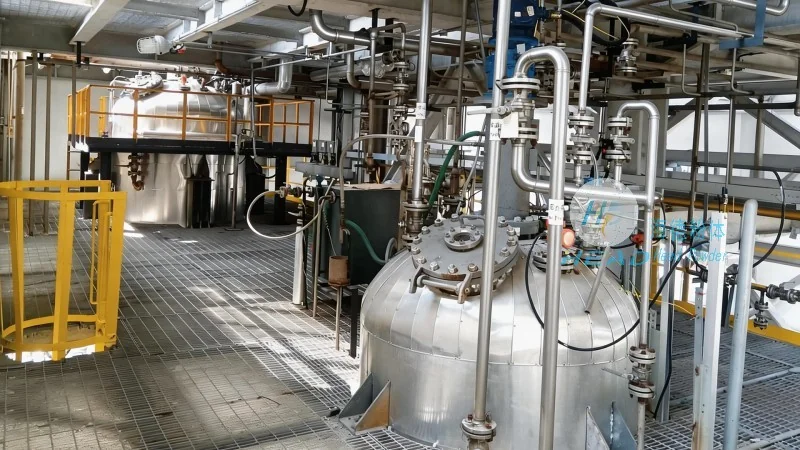
Practical Applications in Algal Residue Handling
In the context of algal residue particle transport, pneumatic conveying systems are employed in various stages of the algal biomass processing workflow. For instance, after the algal biomass is harvested and processed, the resulting residue often needs to be transported from the processing facility to storage or disposal sites. Pneumatic conveying systems can efficiently handle these residues, ensuring minimal material loss and reduced labor costs compared to traditional methods like trucks or conveyor belts.
One practical application is the transport of dried algal residue from a drying unit to a storage silo. The system can handle the fine particles generated during the drying process, preventing clogging and ensuring consistent flow rates. Another application involves transporting algal residue to a composting or biofuel production facility, where the material is further processed into valuable products. Pneumatic conveying systems enable the seamless integration of these processes, maintaining the quality and integrity of the algal residue throughout the transport.
Additionally, in industrial settings where algal residue is used as a feedstock for bioreactors or as a component in animal feed, pneumatic conveying systems provide a hygienic and efficient means of transporting the material. The systems can be designed to meet specific sanitary standards, ensuring that the algal residue remains free from contamination during transport. This is particularly important in applications where the final product is intended for human or animal consumption.
HeadPowder Engineering Co., Ltd.: Expertise in Pneumatic Conveying Solutions
Shandong HeadPowder Engineering Co., Ltd. specializes in providing customized pneumatic conveying systems tailored to the unique needs of algal residue processing facilities. With a focus on innovation and quality, HeadPowder offers a range of solutions that address the challenges of handling algal residues, including high moisture content, abrasive properties, and varying particle sizes.
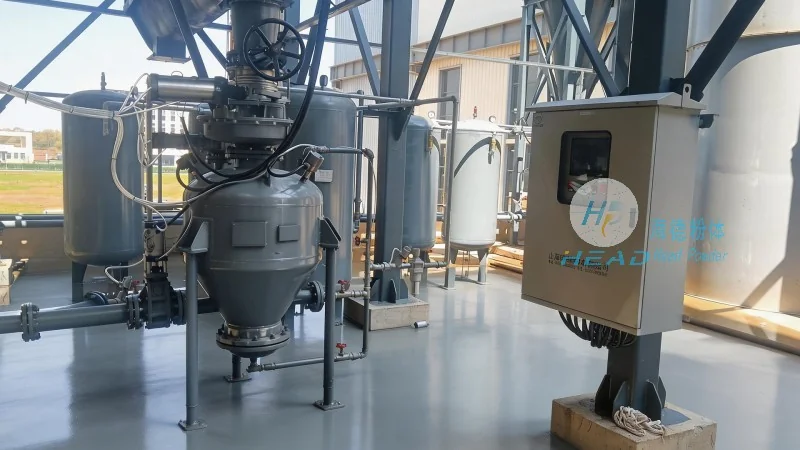
The company’s expertise lies in designing and manufacturing systems that optimize material transport efficiency while minimizing operational costs. HeadPowder’s engineers work closely with clients to understand their specific requirements, such as the distance of transport, the volume of material to be handled, and the environmental regulations in place. This collaborative approach ensures that the final system is not only effective but also compliant with industry standards and regulations.
HeadPowder’s pneumatic conveying systems are built with durable materials to withstand the harsh conditions of algal residue processing. The systems are equipped with advanced control mechanisms that allow for precise regulation of air flow and pressure, ensuring consistent and reliable operation. Additionally, the company provides comprehensive after-sales support, including maintenance services and technical assistance, to ensure the long-term performance of the systems.
With its headquarters in Shandong, China, HeadPowder Engineering Co., Ltd. serves clients globally, delivering high-quality pneumatic conveying solutions for algal residue particle transport. The company’s commitment to excellence and customer satisfaction has made it a trusted partner in the algal biomass processing industry.