

Role of Pneumatic Conveying in Lysine Transport
Lysine is a critical amino acid widely used in animal feed and various industrial applications. Efficient and reliable transport of lysine is essential for maintaining production efficiency and product quality. Among the various methods available for material handling, pneumatic conveying stands out as a versatile and effective solution for transporting lysine, especially in bulk quantities. This article explores the role of pneumatic conveying in the transport of lysine, highlighting its benefits, applications, and the expertise of Shandong HeadPowder Engineering Co., Ltd. in implementing such systems.
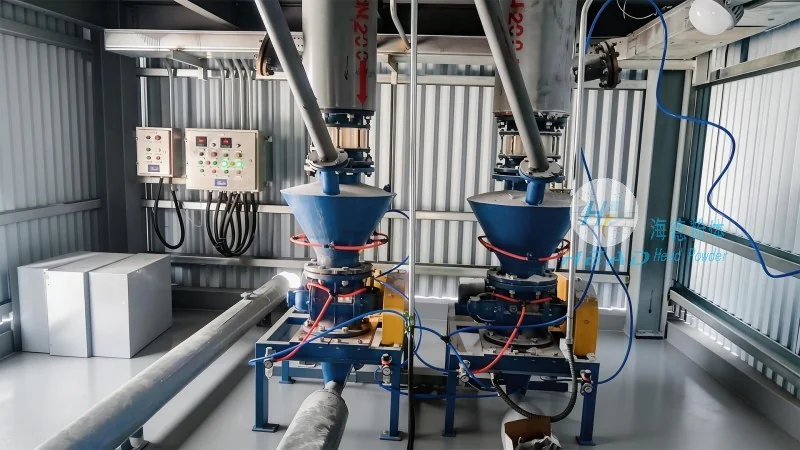
Understanding Lysine and Its Transport Requirements
Lysine is an essential amino acid that plays a vital role in protein synthesis and overall health in animals. It is commonly used as a feed additive to enhance growth and improve feed efficiency. Due to its high solubility and potential for dust generation, the transport of lysine requires specialized equipment and processes to ensure safety, efficiency, and product integrity. Traditional methods like belt conveyors or bucket elevators may not be suitable for handling fine powders like lysine, as they can lead to material degradation, dust exposure, and operational inefficiencies. Pneumatic conveying addresses these challenges by using air to transport the material, offering a dust-free and controlled environment.
Pneumatic Conveying: A Superior Solution for Lysine Transport
Pneumatic conveying involves the transport of solid materials through a pipeline using compressed air or other gas. This method is particularly effective for transporting fine powders such as lysine, as it minimizes product degradation, reduces dust emissions, and provides a clean and efficient handling solution. There are two main types of pneumatic conveying systems: pressure and vacuum. Pressure systems use compressed air to push the material through the pipeline, while vacuum systems use a vacuum to draw the material into the system. For lysine transport, pressure systems are often preferred due to their ability to handle higher material loads and longer distances.
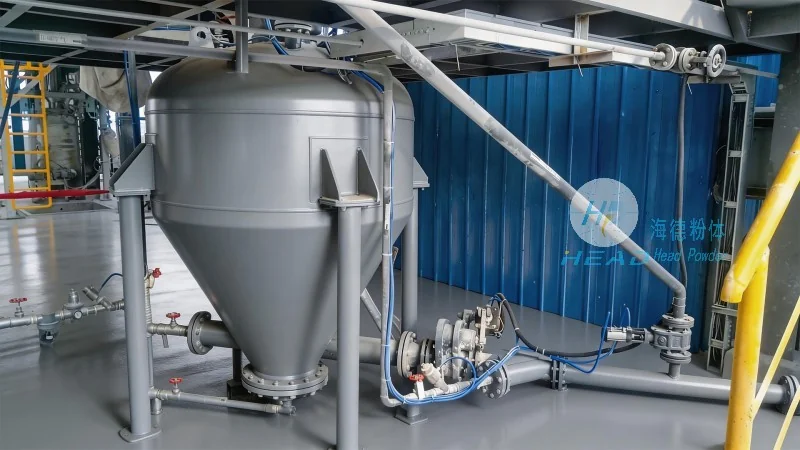
The key advantages of pneumatic conveying for lysine transport include:
- Reduced Product Loss and Degradation: By eliminating contact with mechanical components, pneumatic conveying minimizes the risk of product breakage or chemical changes, ensuring the lysine remains in its optimal condition.
- Improved Safety and Hygiene: The enclosed system prevents dust from escaping into the environment, reducing health hazards and maintaining compliance with industrial hygiene standards.
- Enhanced Efficiency and Flexibility: Pneumatic conveying systems can be easily integrated with other processing equipment, allowing for seamless material flow from storage to processing or packaging. They can also handle varying material volumes and flow rates, making them adaptable to different production needs.
- Lower Maintenance Costs: Compared to traditional mechanical conveyors, pneumatic systems have fewer moving parts, reducing the need for frequent maintenance and lowering operational costs over time.
HeadPowder Engineering: Expertise in Lysine Pneumatic Conveying Systems
Shandong HeadPowder Engineering Co., Ltd. is a leading provider of engineering solutions for material handling, with a focus on pneumatic conveying systems tailored for the lysine industry. The company specializes in designing, manufacturing, and installing customized pneumatic conveying systems that meet the specific requirements of lysine producers. With years of experience in the field, HeadPowder has developed a deep understanding of the unique challenges associated with lysine transport, such as dust control, material flow optimization, and system integration.
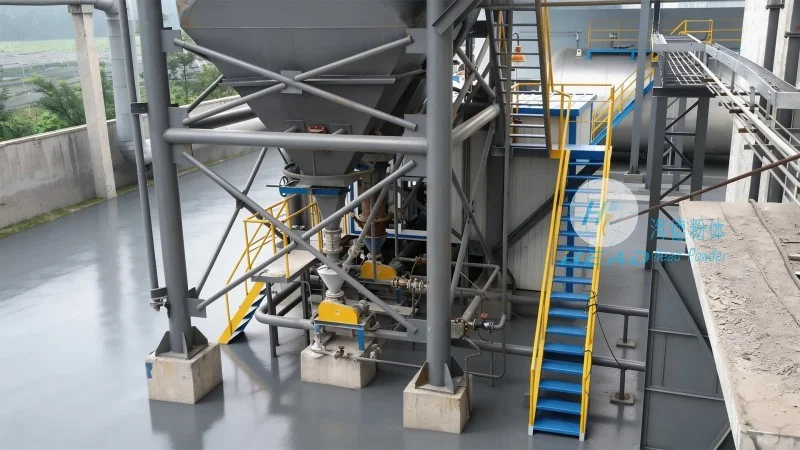
The company’s team of engineers and technicians work closely with clients to assess their production needs, recommend the most suitable pneumatic conveying solutions, and ensure the systems are installed and commissioned correctly. HeadPowder’s expertise extends to both pressure and vacuum systems, allowing them to offer flexible solutions that can handle various material characteristics and transport distances.
For lysine transport, HeadPowder’s systems are designed to maintain the purity and quality of the product throughout the conveying process. The company uses high-quality materials and components that are resistant to corrosion and wear, ensuring long-term reliability. Additionally, HeadPowder provides comprehensive after-sales support, including maintenance services and technical assistance, to help clients maximize the performance and lifespan of their pneumatic conveying systems.
Applications of Pneumatic Conveying in Lysine Production
Pneumatic conveying is widely used in various stages of lysine production and handling. Some common applications include:
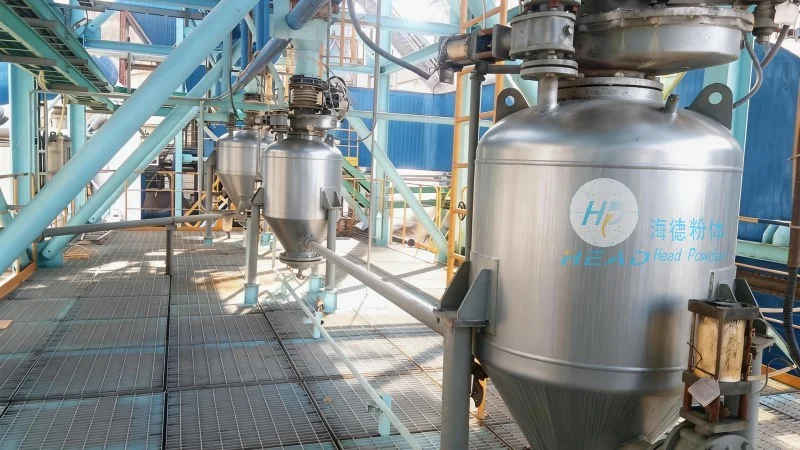
- Raw Material Handling: Transporting lysine from storage silos or bulk containers to processing facilities.
- In-Process Conveying: Moving lysine between different processing units, such as from a reactor to a drying or packaging system.
- Packaging and Distribution: Conveying lysine from processing lines to packaging machines or storage tanks for distribution.
- Recycling and Reclaiming: Handling waste or rejected lysine material back into the production cycle, ensuring minimal material loss.
In each of these applications, pneumatic conveying provides a reliable and efficient means of transporting lysine, while maintaining product quality and operational safety. The flexibility of pneumatic systems allows them to be adapted to different production layouts and future expansion needs, making them a long-term investment for lysine producers.
Conclusion: The Importance of Pneumatic Conveying in Lysine Transport
Pneumatic conveying plays a crucial role in the efficient and safe transport of lysine, a vital amino acid used in animal feed and other industries. By leveraging the benefits of pneumatic systems, lysine producers can enhance their operational efficiency, maintain product quality, and ensure compliance with safety and environmental regulations. Shandong HeadPowder Engineering Co., Ltd. offers expert solutions in pneumatic conveying, providing customized systems that meet the unique needs of lysine manufacturers. With their commitment to quality and customer satisfaction, HeadPowder is a trusted partner for implementing effective lysine transport solutions.