

The Role of Pneumatic Conveying in Seasoning Material Transport
When it comes to the efficient and reliable transport of seasoning materials within industrial settings, pneumatic conveying systems have emerged as a critical technology. These systems offer a range of advantages that traditional mechanical methods often struggle to match, particularly in environments where hygiene, product integrity, and operational flexibility are paramount. This article explores the role of pneumatic conveying in the transport of seasoning materials, highlighting the benefits and practical applications of such systems, with a focus on the expertise of Shandong HeadPowder Engineering Co., Ltd., a leading provider in this field.
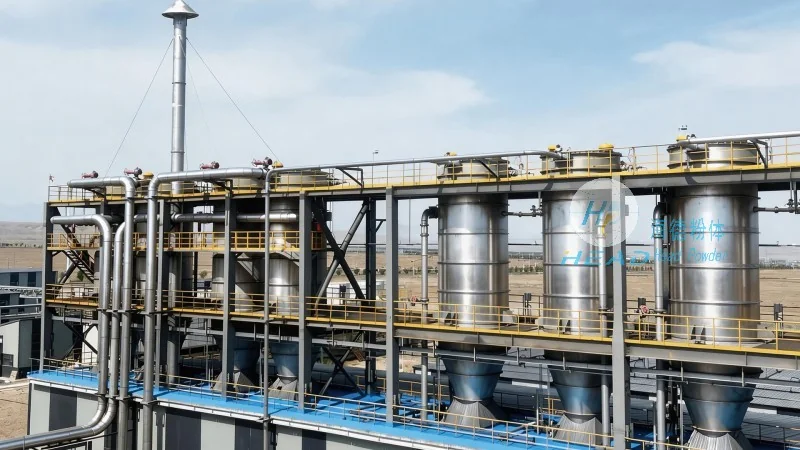
Understanding Pneumatic Conveying for Seasoning Materials
Pneumatic conveying, also known as pneumatic transport, is a method of moving bulk materials through a pipeline using air or other gas as the conveying medium. In the context of seasoning materials, which often include powders, granules, and other fine particles, this technology ensures that products are handled with minimal contamination and maximum efficiency. The core principle involves creating a pressure differential within the system, either by blowing air into the pipeline (positive pressure) or by creating a vacuum (negative pressure), to propel the material from the source to the destination.
The Advantages of Pneumatic Conveying in Seasoning Production
For seasoning manufacturers, the adoption of pneumatic conveying systems brings several key benefits. First, these systems provide a hygienic and enclosed environment, which is essential for maintaining the quality and safety of food products. Unlike open chutes or belt conveyors, pneumatic systems prevent cross-contamination and exposure to dust, ensuring that seasoning materials remain pure throughout the transport process. Second, pneumatic conveying offers high throughput and flexibility. Systems can be easily adjusted to handle varying volumes and types of materials, allowing for seamless integration into existing production lines. This adaptability is crucial for seasonal or fluctuating production demands.
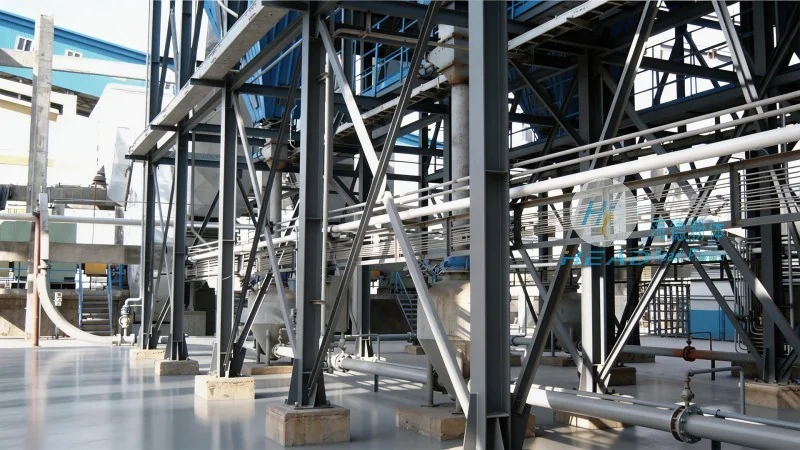
How HeadPowder Engineering Co., Ltd. Implements Pneumatic Conveying Solutions
Shandong HeadPowder Engineering Co., Ltd., based in Shandong, China, specializes in designing, manufacturing, and installing customized pneumatic conveying systems tailored to the unique needs of seasoning manufacturers. The company leverages advanced engineering and industry experience to develop solutions that optimize material handling while adhering to strict industry standards. HeadPowder's expertise includes the selection of appropriate conveying technologies—such as positive pressure, negative pressure, or a combination of both—based on the physical properties of the seasoning material, such as particle size, moisture content, and flowability. This tailored approach ensures that each system is optimized for maximum efficiency and minimal energy consumption.
Key Features of Pneumatic Conveying Systems for Seasoning Materials
Modern pneumatic conveying systems for seasoning materials often incorporate several advanced features that enhance performance and reliability. For instance, many systems use rotary airlocks and cyclone separators to control material flow and prevent blockages. These components help maintain consistent pressure and prevent dust accumulation, which can otherwise lead to system inefficiencies. Additionally, some systems are equipped with monitoring and control systems that allow operators to track flow rates, pressure levels, and other critical parameters in real-time. This data-driven approach enables proactive maintenance and ensures that the system operates at peak performance.
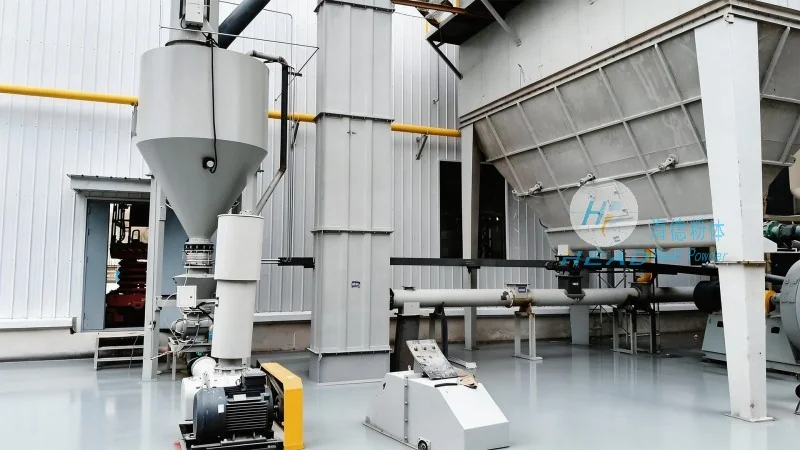
Applications in Seasoning Production and Packaging
Pneumatic conveying plays a vital role in various stages of seasoning production and packaging. From raw material handling and blending to packaging and distribution, these systems are integrated into production lines to streamline operations. For example, in a seasoning factory, pneumatic conveyors can transport raw spices from storage silos to blending equipment, ensuring that ingredients are mixed uniformly and efficiently. During the packaging phase, pneumatic systems can move finished seasoning products from processing lines to packaging machines, reducing manual handling and minimizing the risk of product damage. This end-to-end integration of pneumatic conveying enhances overall production efficiency and reduces labor costs.
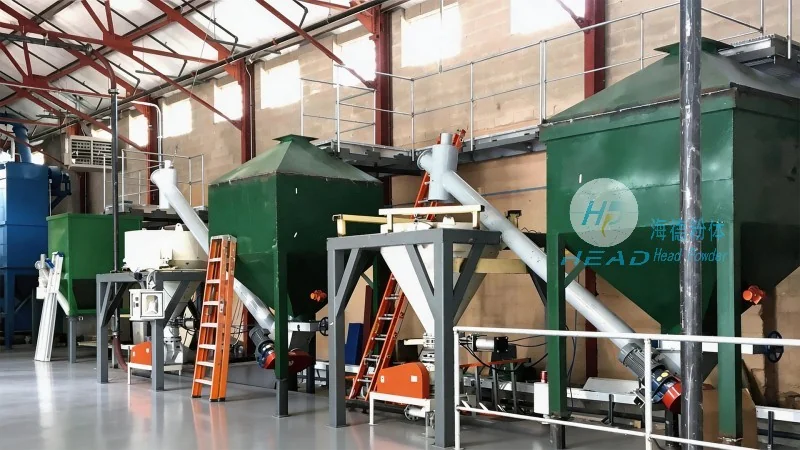
Ensuring Compliance and Quality with Pneumatic Conveying
In the food industry, compliance with regulatory standards is non-negotiable. Pneumatic conveying systems designed for seasoning materials must meet stringent hygiene and safety requirements. HeadPowder Engineering Co., Ltd. adheres to these standards by using materials such as stainless steel, which is resistant to corrosion and easy to clean. The company also incorporates features like CIP (Clean-In-Place) systems and sanitary fittings to ensure that the equipment can be thoroughly sanitized without disassembly. By prioritizing compliance, HeadPowder ensures that its pneumatic conveying solutions not only enhance operational efficiency but also meet the highest quality and safety standards expected by consumers and regulatory bodies.
Conclusion: The Future of Seasoning Material Transport with Pneumatic Conveying
As the demand for high-quality seasoning products continues to grow, the role of pneumatic conveying in material transport becomes increasingly important. With its ability to deliver efficiency, hygiene, and flexibility, pneumatic conveying systems are a cornerstone of modern seasoning production. Shandong HeadPowder Engineering Co., Ltd. stands at the forefront of this technology, providing customized solutions that meet the evolving needs of the industry. By leveraging advanced engineering and a commitment to quality, HeadPowder helps seasoning manufacturers optimize their operations and maintain a competitive edge in the market.