

Classification and Application Analysis of Talc Powder Pneumatic Conveying Systems
Talc powder, a widely used industrial mineral with unique properties such as high whiteness, good lubricity, and chemical inertness, requires specialized handling and transportation methods. Pneumatic conveying systems are a critical technology for moving talc powder from production sites to processing facilities or end-users. These systems can be broadly classified into two main categories: dilute-phase and dense-phase pneumatic conveying, each with distinct operating principles and applications.
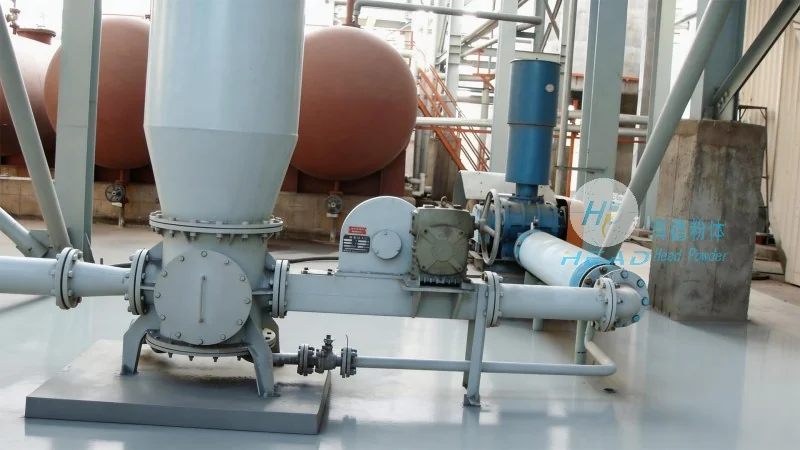
Application Analysis of Different Pneumatic Conveying Systems for Talc Powder
Dilute-phase pneumatic conveying systems operate by suspending talc powder particles in a high-velocity air stream. This method is suitable for short to medium distance transport and low to moderate particle sizes. The system typically uses low-pressure air (around 0.5 to 2 bar) and is effective for applications where dust control and low energy consumption are priorities. However, it may face challenges with particle segregation and system wear due to the high air flow rates.
Dense-phase pneumatic conveying, on the other hand, moves talc powder in a slurry-like state, where particles are densely packed and transported at lower velocities. This approach is ideal for long-distance transport and handling of fine or abrasive powders. Dense-phase systems often employ higher pressure (2 to 10 bar) and can be further divided into pulse-jet and pressure-pulse types. The pulse-jet system uses intermittent high-pressure bursts to push the powder through the pipeline, while the pressure-pulse system maintains a constant pressure with periodic pulses. Both methods help minimize particle degradation and system blockages, making them suitable for talc powder with high moisture content or sensitive characteristics.
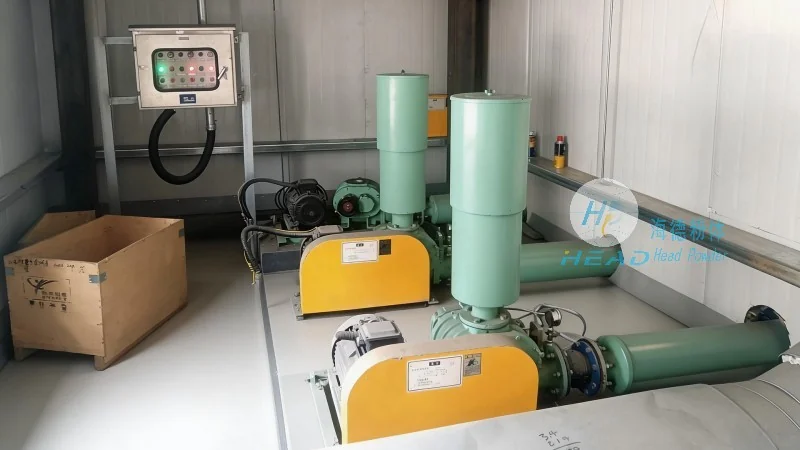
Factors Influencing the Choice of Pneumatic Conveying System for Talc Powder
The selection of an appropriate pneumatic conveying system for talc powder depends on several key factors, including the distance of transport, the particle size distribution, the moisture content of the powder, and the required system reliability. For instance, in applications where talc powder is transported over long distances (e.g., from a mine to a processing plant), dense-phase systems are often preferred due to their efficiency in handling large volumes with minimal pressure loss. Conversely, for short-distance transport within a manufacturing facility, dilute-phase systems may offer cost advantages due to lower initial investment and simpler design.
Additionally, the physical properties of talc powder, such as its whiteness and lubricity, can impact system performance. High whiteness talc, often used in cosmetics and paper industries, may require more stringent dust control measures to prevent contamination. The lubricity of talc can also affect the friction between particles and pipeline walls, influencing the energy consumption of the conveying system. Therefore, engineers must consider these factors when designing a pneumatic conveying system to ensure optimal performance and cost-effectiveness.
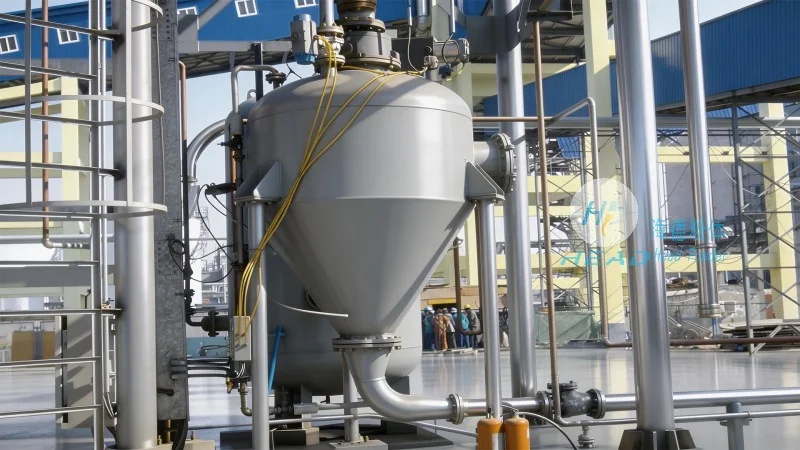
HeadPowder Engineering's Expertise in Talc Powder Pneumatic Conveying Solutions
Shandong HeadPowder Engineering Co., Ltd., a leading provider of engineering solutions for mineral processing, specializes in designing and implementing customized pneumatic conveying systems tailored to the unique needs of talc powder applications. With years of experience in the industry, HeadPowder has developed a deep understanding of the challenges associated with handling talc powder, including its fine particle size, high whiteness, and potential for dust generation. The company's engineers utilize advanced simulation tools and material testing to optimize system design, ensuring that the chosen pneumatic conveying method maximizes efficiency while minimizing operational costs and environmental impact.
HeadPowder's solutions often integrate features such as advanced filtration systems to maintain product purity, variable speed drives to control air flow and pressure, and automated control systems to enhance system reliability. These components work together to provide a seamless and efficient transport process for talc powder, from the point of origin to the final destination. The company's commitment to quality and customer satisfaction has made it a trusted partner for businesses in the talc powder industry, helping them achieve their production and delivery goals with minimal downtime and maximum productivity.