

Classification and Application Analysis of Graphite Lumps Pneumatic Conveying Systems
Graphite lumps pneumatic conveying systems are essential in industrial processes for efficiently transporting graphite materials. These systems utilize air or gas as the conveying medium to move graphite lumps from one location to another, offering advantages such as reduced dust, improved safety, and enhanced material handling capabilities. The classification and application of these systems are critical for optimizing industrial operations, particularly in industries that rely on graphite as a key raw material. HeadPowder, a leading manufacturer of such systems, specializes in providing customized solutions tailored to the specific needs of clients.
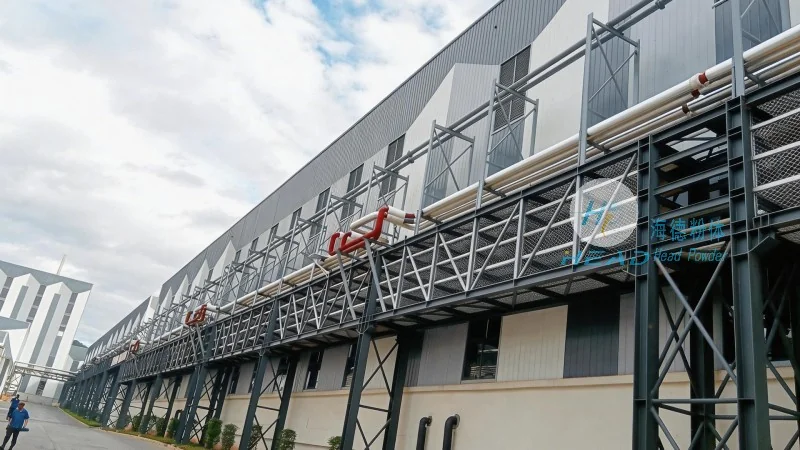
Types of Graphite Lumps Pneumatic Conveying Systems
There are primarily two main categories of graphite lumps pneumatic conveying systems: dilute-phase and dense-phase systems. Dilute-phase systems operate by dispersing the graphite lumps in a high-velocity air stream, which allows for long-distance transport with relatively low pressure requirements. This type is suitable for applications where the material is light and the distance is moderate. Dense-phase systems, on the other hand, use lower air velocities and higher pressure to transport the graphite lumps in a more concentrated form, which is ideal for handling abrasive or sensitive materials that require gentle handling. The choice between these systems depends on factors such as the particle size of the graphite lumps, the distance to be covered, and the specific requirements of the industrial process.
Key Components of Graphite Lumps Pneumatic Conveying Systems
Graphite lumps pneumatic conveying systems consist of several key components that work together to ensure efficient material transport. The primary components include a material feeder, which feeds the graphite lumps into the system; a conveying line, which transports the material through the air stream; a separator, which separates the graphite lumps from the air at the destination; and a dust collection system, which captures any airborne particles to maintain a clean and safe environment. Additionally, the system may include a blower or compressor to generate the necessary air pressure, a control system to regulate the flow of material and air, and a storage tank or hopper to hold the graphite lumps before and after transport. Each component plays a crucial role in the overall performance and efficiency of the system.
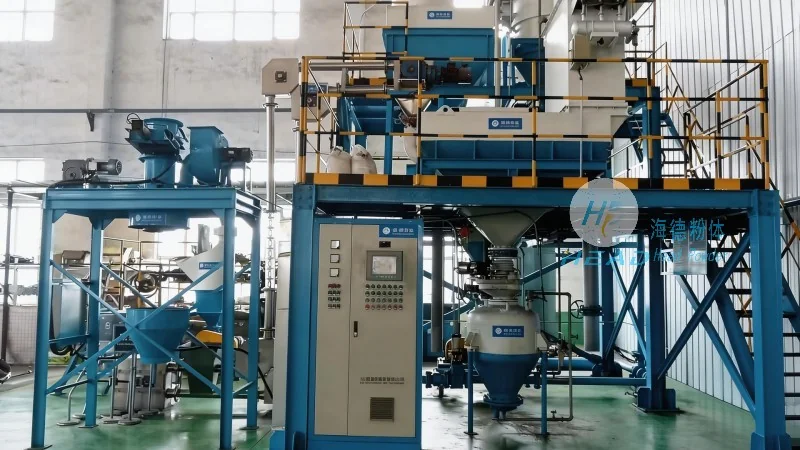
Applications of Graphite Lumps Pneumatic Conveying Systems
Graphite lumps pneumatic conveying systems find wide applications in various industries due to their versatility and efficiency. In the graphite manufacturing industry, these systems are used to transport graphite lumps from mining sites to processing facilities, ensuring a continuous supply of raw material. In the battery manufacturing sector, they are employed to convey graphite powders and lumps to the production lines, where they are used as anode materials. The automotive industry also utilizes these systems to transport graphite components for use in brake pads and other friction materials. Furthermore, in the chemical and pharmaceutical industries, graphite lumps are used as a filler or additive, and pneumatic conveying systems help in their precise and safe handling. The ability to handle different particle sizes and maintain consistent material flow makes these systems indispensable in these applications.
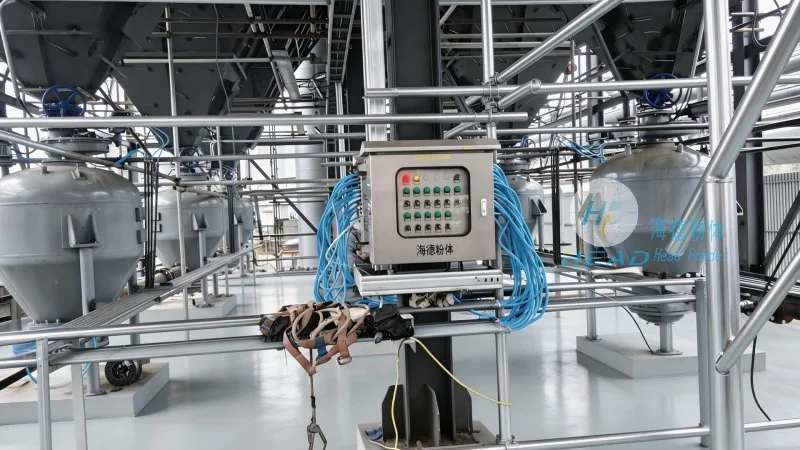
Advantages of Graphite Lumps Pneumatic Conveying Systems
There are several advantages of using graphite lumps pneumatic conveying systems over traditional methods such as belt conveyors or bucket elevators. One of the main advantages is the reduction in dust generation, which improves workplace safety and reduces the risk of respiratory issues for workers. Additionally, these systems are more compact and can be installed in confined spaces, making them suitable for facilities with limited floor space. The systems also offer higher material throughput and can transport materials over longer distances with less maintenance compared to other methods. Furthermore, the gentle handling of the graphite lumps prevents damage to the material, which is crucial for maintaining the quality of the final product. These advantages make graphite lumps pneumatic conveying systems a preferred choice in many industrial applications.
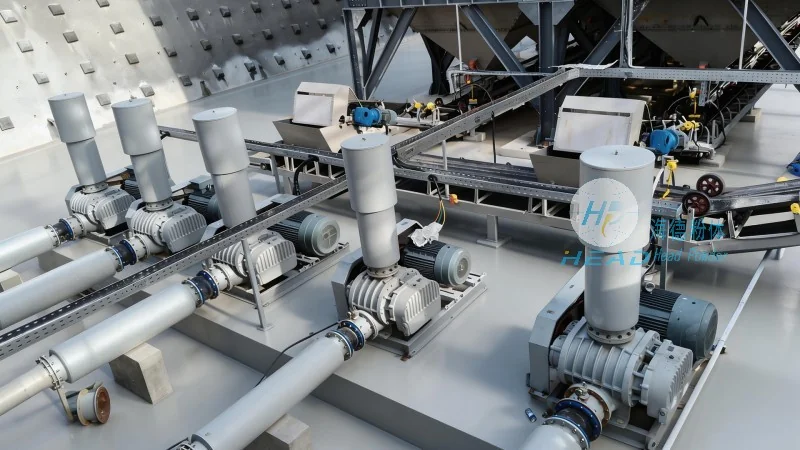
Challenges and Solutions in Graphite Lumps Pneumatic Conveying
Despite their benefits, graphite lumps pneumatic conveying systems may face certain challenges during operation. One common challenge is the clogging of the conveying line due to the abrasive nature of graphite lumps, which can lead to system downtime and increased maintenance costs. To address this, manufacturers use materials with high wear resistance for the conveying components and implement regular cleaning schedules. Another challenge is the variation in particle size, which can affect the system's performance. To mitigate this, the system is equipped with adjustable feeders and separators that can handle different particle sizes. Additionally, the system may experience pressure drops over time due to the accumulation of dust and particles in the line, which can be managed by regular maintenance and the use of filters. By addressing these challenges, the efficiency and reliability of the graphite lumps pneumatic conveying systems can be maintained.
Conclusion
Graphite lumps pneumatic conveying systems are vital in industrial processes for the efficient and safe transport of graphite materials. The classification of these systems into dilute-phase and dense-phase types allows for selection based on specific operational requirements. The key components, including the feeder, conveying line, separator, and dust collection system, work in tandem to ensure smooth material transport. Applications span across various industries, including manufacturing, battery production, automotive, and chemical sectors, due to their versatility and efficiency. The advantages of reduced dust, compact design, and gentle handling make these systems preferable over traditional methods. While challenges such as clogging and pressure drops exist, proper maintenance and system design can mitigate these issues. HeadPowder, Shandong HeadPowder Engineering Co., Ltd., based in Shandong, China, continues to innovate and provide reliable solutions for graphite material handling, ensuring the smooth operation of industrial processes worldwide.