

Main Structures of Flour Pneumatic Conveying Systems
Flour pneumatic conveying systems are integral to modern food processing operations, particularly for the efficient and hygienic transport of fine powders like flour. These systems utilize air as the primary medium to move material, offering significant advantages over traditional mechanical conveying methods. By leveraging air pressure and suction, these systems can transport flour over varying distances while maintaining product quality and minimizing contamination risks. The main structures of flour pneumatic conveying systems are designed to optimize performance, reliability, and safety in industrial settings. Developed by Shandong HeadPowder Engineering Co., Ltd., a leading manufacturer based in Shandong, China, these systems are engineered to meet the highest standards of efficiency and hygiene.
Key Structural Components of Flour Pneumatic Conveying Systems
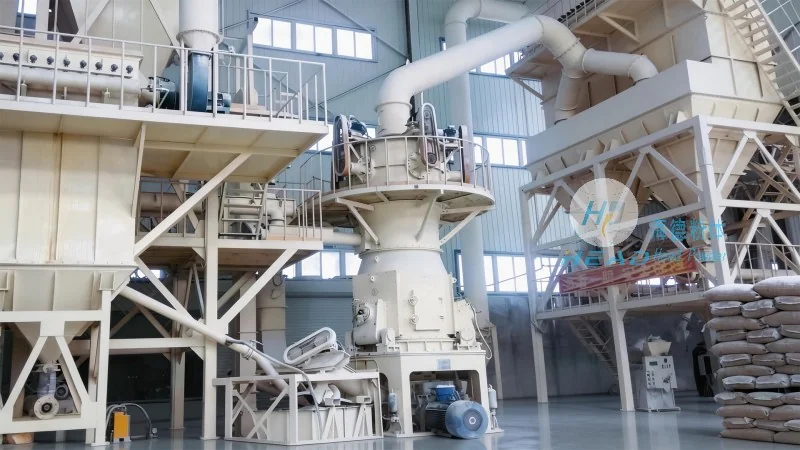
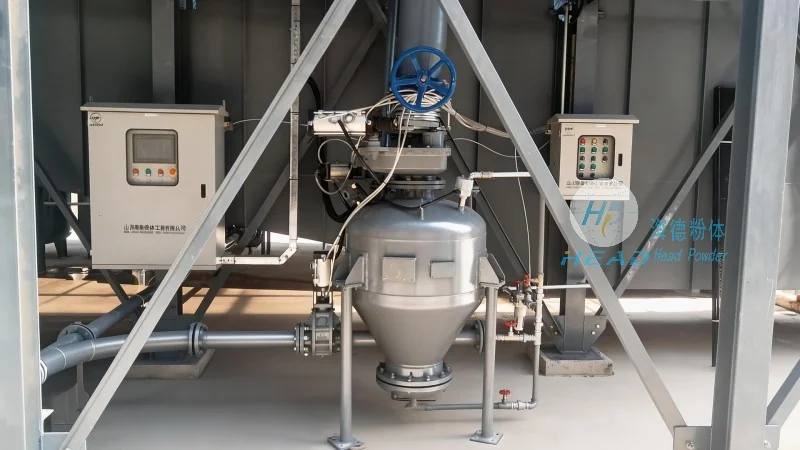
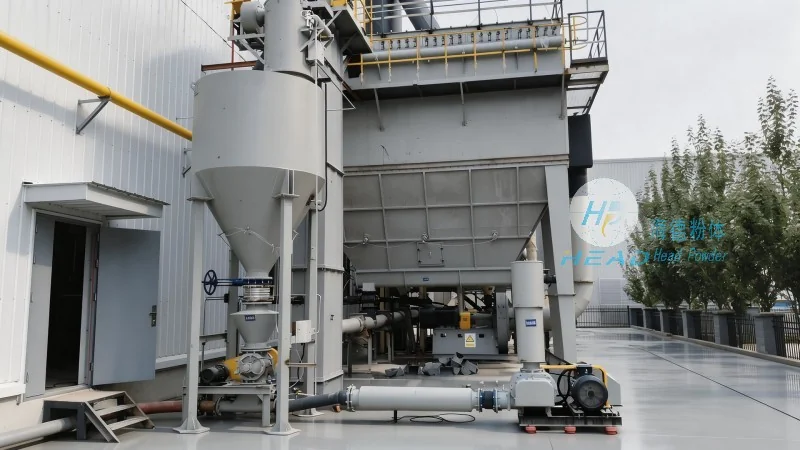
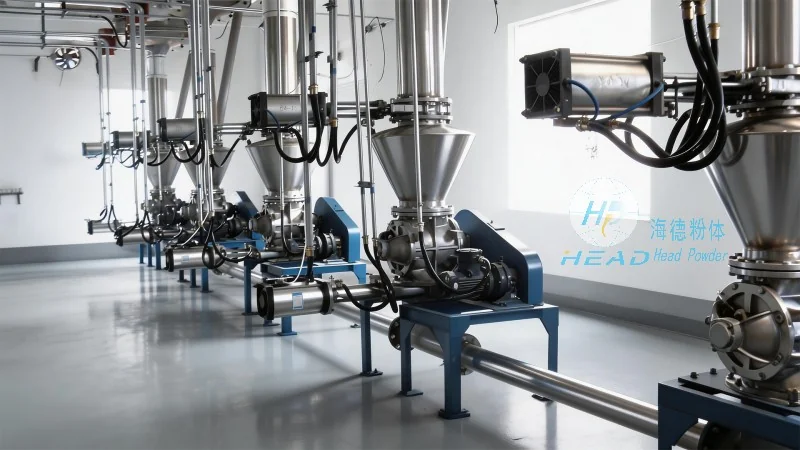
The fundamental components of a flour pneumatic conveying system include a material hopper, a conveying line (positive or negative pressure), a filter and dust collection system, and a material receiver. Each component is critical to the system's overall functionality. The hopper serves as the storage and feeding unit, ensuring a consistent supply of flour to the system. It is typically equipped with a feeder, such as a rotary valve or screw feeder, to control the material flow rate. The conveying line is the core of the system, responsible for transporting the flour from the hopper to the receiver. This line can be constructed from materials like stainless steel or plastic, depending on the application's requirements. The filter system is essential for capturing dust and particulates, preventing them from being released into the environment. This system typically includes a cyclone separator and a bag filter or cartridge filter, which work together to clean the air before it is discharged. The receiver is the final component, where the conveyed flour is collected and stored for further processing. Proper design of each component ensures the system operates efficiently and maintains the quality of the flour throughout the transport process.