

Main Structures of Sugar Pneumatic Conveying Systems
Shandong HeadPowder Engineering Co., Ltd., commonly referred to as HeadPowder, specializes in the design and implementation of efficient sugar pneumatic conveying systems. The company, headquartered in Shandong, China, provides tailored solutions that address the unique challenges of transporting sugar in various industrial settings. Understanding the different structural configurations is crucial for selecting the most suitable system for specific applications, ensuring optimal performance, energy efficiency, and material integrity.
Atmospheric Suction Conveying Systems
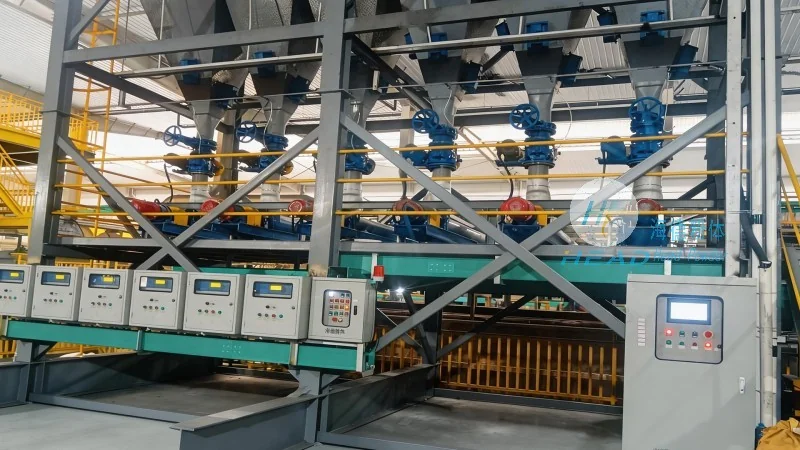
Atmospheric suction systems are a widely used type of sugar pneumatic conveying structure. These systems operate by creating a negative pressure environment to draw sugar from a storage silo or hopper into the conveying line. The primary components include a suction fan, a filter unit to remove dust and particles, and a pipeline network that transports the sugar to the processing or packaging area. The design of the suction system is critical for maintaining consistent flow rates and preventing material blockages. HeadPowder engineers carefully calculate the fan capacity and pipeline dimensions to ensure optimal performance, minimizing energy consumption and maximizing material throughput. The suction structure is particularly effective for short to medium distances and when the sugar source is at a lower elevation compared to the destination.
Positive Pressure (Pressure) Conveying Systems
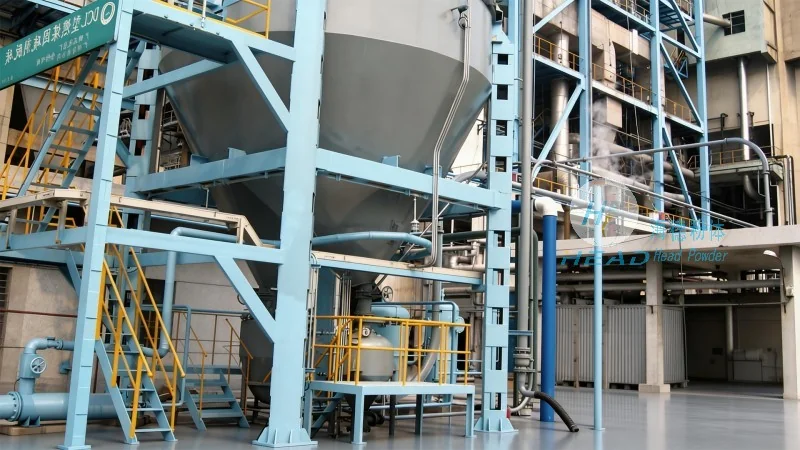
Positive pressure systems, also known as pressure conveyors, use a positive pressure fan to push sugar through the conveying line. Unlike suction systems, these systems operate under positive pressure, which helps to prevent air leakage and maintain a consistent flow of material. The structure typically includes a pressure fan, a hopper or feeder, and a pipeline that delivers the sugar to the destination. The pressure system is often preferred for longer distances or when the sugar needs to be transported to a higher elevation. HeadPowder's expertise in designing pressure systems ensures that the pressure levels are precisely controlled to avoid material degradation and equipment wear. The company's engineers consider factors such as the sugar's moisture content, particle size, and bulk density to select the appropriate pressure and pipeline configuration. The pressure structure is ideal for applications where the sugar must be transported over significant vertical or horizontal distances.
Two-Stage (Dual-Stage) Conveying Systems
Two-stage pneumatic conveying systems combine both suction and pressure components to achieve efficient transportation over long distances or with varying elevations. The first stage operates as a suction system to draw the sugar from the source, while the second stage uses a pressure system to push the material through the remainder of the pipeline. This hybrid approach allows for greater flexibility and efficiency compared to single-stage systems. HeadPowder's two-stage designs are particularly effective for applications where the sugar needs to be transported from a low-lying storage area to a high-level processing unit. The company's engineers optimize the transition between the suction and pressure stages to minimize pressure drops and ensure smooth material flow. The dual-stage structure also helps to reduce the risk of material degradation by maintaining a consistent flow rate and temperature. Two-stage systems are commonly used in large-scale sugar processing plants where the transportation distance exceeds the capabilities of single-stage systems.
Vacuum Conveying Systems
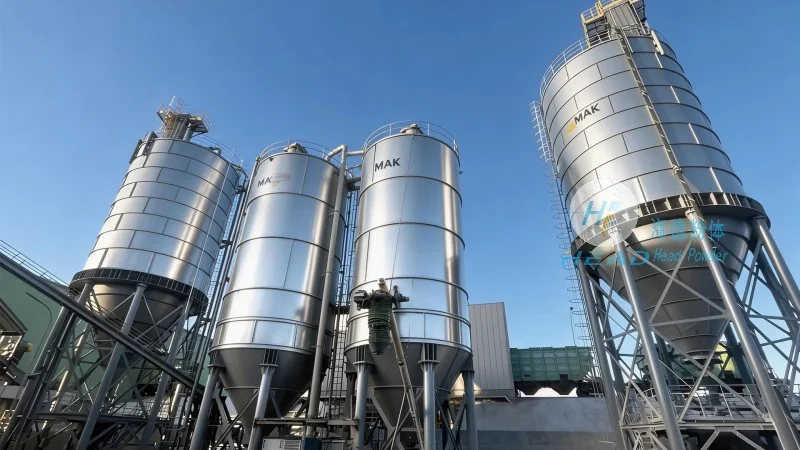
Vacuum conveying systems are a specialized type of pneumatic conveying structure used for transporting fine or delicate materials like sugar. These systems operate under negative pressure, similar to suction systems, but with a higher degree of vacuum to ensure efficient material pickup. The structure includes a vacuum pump, a filter, and a pipeline that draws the sugar into the system. Vacuum conveyors are often used when the sugar needs to be transported from multiple points or when the source is at a higher elevation. HeadPowder's vacuum systems are designed to handle fine sugar particles without causing excessive wear on the equipment. The company's engineers focus on maintaining a stable vacuum level to prevent material loss and ensure consistent delivery to the processing area. The vacuum structure is particularly useful for applications where the sugar is sensitive to moisture or air exposure, such as in the production of refined sugar or confectionery products.