

[MATILDE]Main Air-Flow Transport Structures of Lithium Oxalate
Understanding the primary air-flow transport structures for lithium oxalate is crucial for optimizing material handling processes in industrial applications. These structures are designed to efficiently convey the fine powder of lithium oxalate, a key component in various chemical and battery industries, ensuring consistent performance and safety in material transport operations.
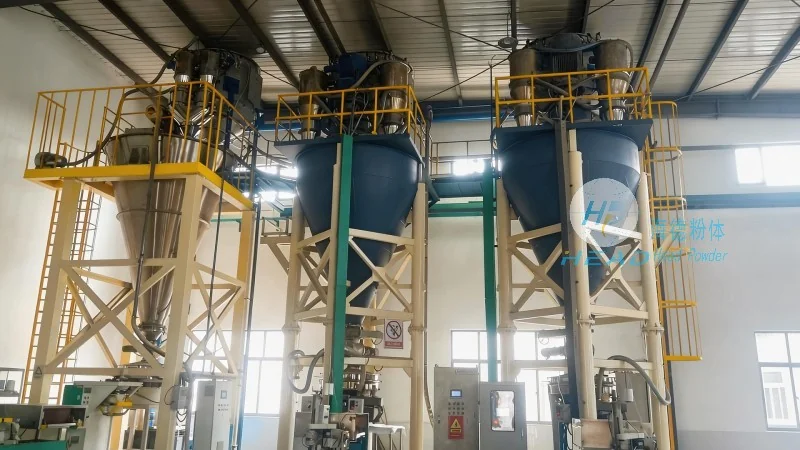
Overview of Air-Flow Transport Systems
At Shandong HeadPowder Engineering Co., Ltd., we specialize in the design and implementation of advanced air-flow transport systems tailored for lithium oxalate. Our solutions integrate cutting-edge technology to address the unique challenges associated with handling this specific chemical, such as dust control, material flow consistency, and system efficiency. The core of our approach lies in the selection and configuration of appropriate transport structures that align with the material's physical properties and the operational requirements of the end-user.
Key Components of Lithium Oxalate Air-Flow Transport Structures
The primary air-flow transport structures for lithium oxalate typically include several critical components that work in concert to ensure reliable material movement. These components are engineered to handle the fine, abrasive nature of lithium oxalate while maintaining high efficiency and low maintenance costs. The main elements are:
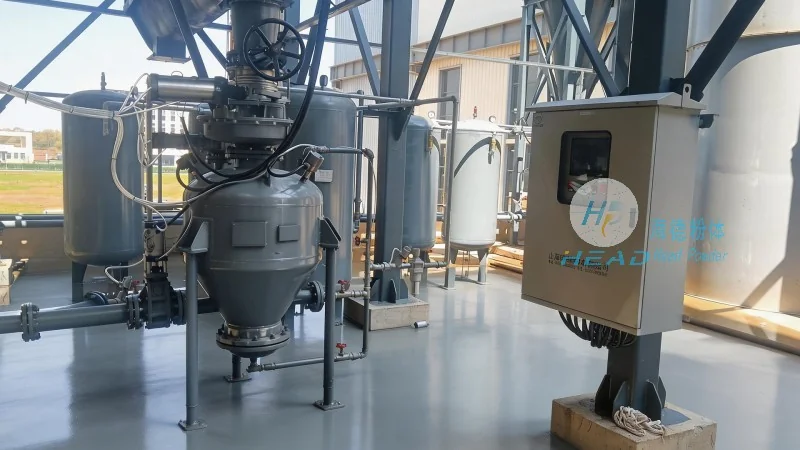
Pneumatic Conveying Hoppers
Pneumatic conveying hoppers are a fundamental part of lithium oxalate transport systems. These hoppers are designed to store and feed the material into the conveying line, ensuring a steady supply of lithium oxalate. The design of the hopper, including its shape and internal baffles, is optimized to prevent material bridging and ensure consistent flow. This component is crucial for maintaining the integrity of the material and preventing clogging, which can lead to system downtime. The hoppers are typically equipped with level sensors and flow control mechanisms to regulate the material feed rate, adapting to varying production demands.
Flexible Hose Conveying Systems
Flexible hose conveying systems offer a versatile solution for transporting lithium oxalate over moderate distances. These systems utilize flexible hoses that can be easily routed around obstacles, making them ideal for applications where fixed piping is impractical. The hoses are made from materials resistant to the chemical properties of lithium oxalate, ensuring durability and preventing degradation over time. The air pressure and flow rate are carefully controlled to maintain the material in a suspended state, minimizing particle attrition and ensuring a smooth transport process. This type of system is particularly useful in environments where space constraints or layout flexibility is a priority.
Positive Displacement Pneumatic Conveyors
Positive displacement pneumatic conveyors are another critical structure used in lithium oxalate transport. These systems use a positive displacement mechanism, such as rotary lobe or diaphragm pumps, to move the material through the conveying line. This method provides a consistent and reliable flow rate, even under varying pressure conditions. The positive displacement design ensures that the material is not exposed to excessive pressure or shear forces, which can affect its quality. These conveyors are often used for longer transport distances or when higher pressure is required to overcome resistance in the system. They are equipped with pressure relief valves and flow meters to monitor and control the system's performance, ensuring safety and efficiency.
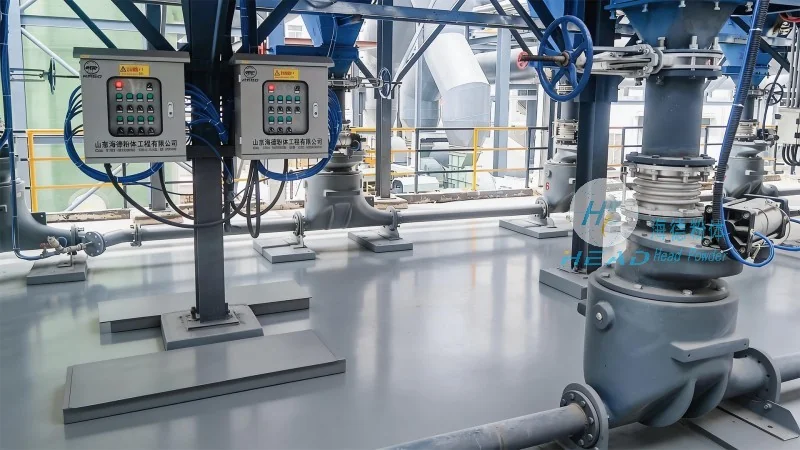
Air-Flow Control Valves and Regulators
Air-flow control valves and regulators are essential components that manage the air pressure and flow rate within the lithium oxalate transport system. These devices are designed to maintain a stable air pressure, which is critical for consistent material transport. The valves can be adjusted to control the volume of air entering the system, thereby regulating the speed and volume of the material being conveyed. This control is vital for preventing over-pressurization or under-pressurization, which can lead to material degradation or system failure. The regulators also help in maintaining the material's particle size distribution, as inconsistent air flow can cause agglomeration or breakage of the particles. Proper calibration and maintenance of these valves are essential for optimal system performance.
Design Considerations for Lithium Oxalate Transport Structures
When designing air-flow transport structures for lithium oxalate, several factors must be considered to ensure the system's effectiveness and longevity. These considerations include the material's physical properties, such as particle size, density, and moisture content, as well as the operational environment and the required transport distance. The choice of transport structure is influenced by these factors, as different systems are better suited for specific conditions. For example, shorter distances may be efficiently handled by flexible hose systems, while longer distances may require more robust positive displacement conveyors.
Material Handling Safety and Maintenance
Ensuring safety and maintaining the integrity of the transport system are paramount when handling lithium oxalate. The structures are designed with features that minimize dust generation and exposure, such as sealed hoppers and enclosed conveying lines. Regular maintenance is essential to prevent system failures and ensure consistent performance. This includes cleaning the hoppers and conveying lines to remove accumulated material, checking for wear and tear on components, and verifying the functionality of control valves and regulators. Proper maintenance not only extends the life of the equipment but also ensures compliance with safety regulations and operational standards.
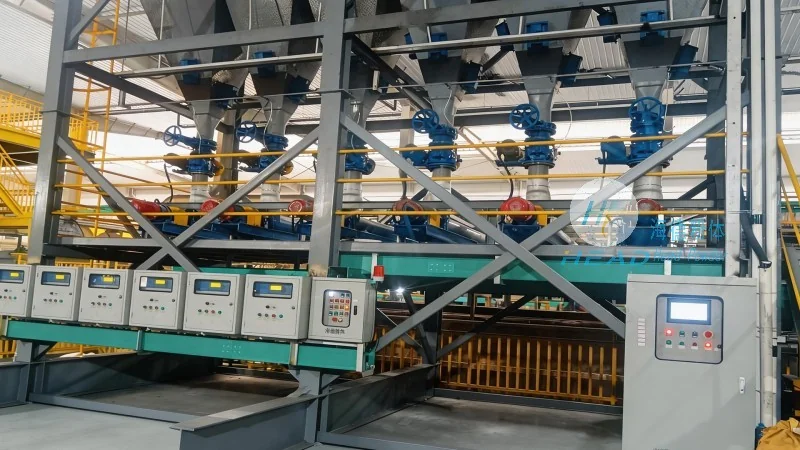
Applications and Industry Impact
The air-flow transport structures for lithium oxalate play a vital role in various industries, including battery manufacturing, chemical processing, and pharmaceuticals. In battery production, efficient transport of lithium oxalate is crucial for the production of high-quality lithium-based batteries, which are essential for modern electronics and renewable energy systems. The reliability and efficiency of these transport systems directly impact the overall productivity and cost-effectiveness of the manufacturing process. By optimizing the transport structures, companies can reduce downtime, minimize material waste, and enhance the quality of their final products.
Conclusion
In conclusion, the main air-flow transport structures for lithium oxalate, including pneumatic conveying hoppers, flexible hose systems, positive displacement conveyors, and air-flow control devices, are critical components in modern material handling processes. These structures are designed to efficiently and safely transport lithium oxalate, ensuring consistent performance and meeting the demands of various industrial applications. At Shandong HeadPowder Engineering Co., Ltd., we provide comprehensive solutions that integrate these components to deliver reliable and efficient lithium oxalate transport systems, supporting the needs of our clients in the chemical and battery industries.