

Main Types of Pneumatic Conveying Systems for Seasoning Powders
When it comes to efficiently transporting seasoning powders, the choice of a suitable pneumatic conveying system is crucial for maintaining product quality and operational efficiency. Pneumatic conveying systems are widely used in the food processing industry, especially for handling dry powders like seasonings, due to their ability to transport materials without direct contact with mechanical components. This approach helps preserve the integrity of the powder, preventing contamination and degradation during the transfer process. The primary goal of these systems is to move bulk materials from one location to another within a facility, often with minimal human intervention and reduced risk of cross-contamination.
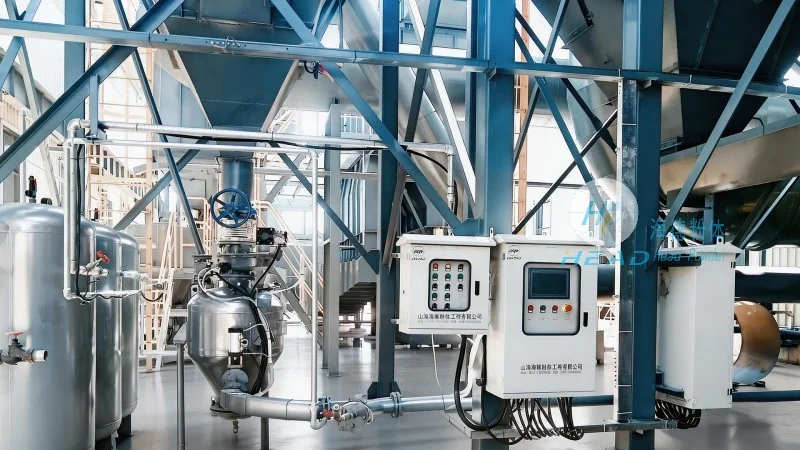
Key Components of Pneumatic Conveying Systems
All pneumatic conveying systems, including those used for seasoning powders, consist of several core components that work together to ensure smooth operation. The main elements typically include a material feed hopper, a conveyor line (either positive or negative pressure), a separation or collection unit, and a dust collection system. The feed hopper is responsible for storing and feeding the seasoning powder into the system, ensuring a consistent flow rate. The conveyor line, which can operate under positive pressure (where air pushes the powder) or negative pressure (where air pulls the powder), is the heart of the system, transporting the material through the pipeline. The separation unit, such as a cyclone or filter, is used to separate the powder from the air stream, allowing the powder to be collected in a designated container. Finally, the dust collection system helps to capture any fine particles that may escape, ensuring compliance with environmental regulations and maintaining a clean working environment.
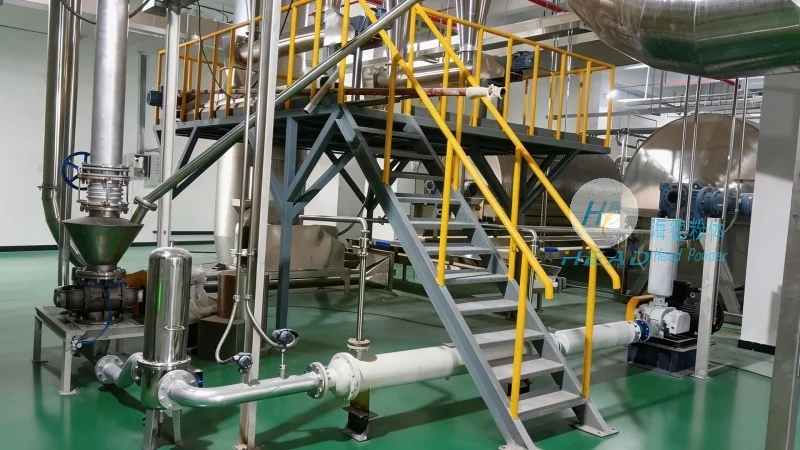
Types of Pneumatic Conveying Systems for Seasoning Powders
There are several main types of pneumatic conveying systems commonly used for seasoning powders, each with its own advantages and applications. The most common types include pressure conveying, vacuum conveying, and combined systems. Pressure conveying systems use compressed air to push the powder through the pipeline, typically operating at pressures between 5 to 15 psi. This method is ideal for short to medium distance transfers and is often used in applications where the powder needs to be transported from a central storage area to multiple processing points. Vacuum conveying systems, on the other hand, use a vacuum to pull the powder into the system, making them suitable for longer distances and for handling materials that are difficult to push through the pipeline. These systems are commonly used when the powder needs to be transported from multiple locations to a central processing unit. Combined systems, as the name suggests, use both positive and negative pressure to transport the powder, offering flexibility for various operational requirements. This type of system is particularly useful in facilities where both short and long distance transfers are required, as it can adapt to different distances and material flow rates.
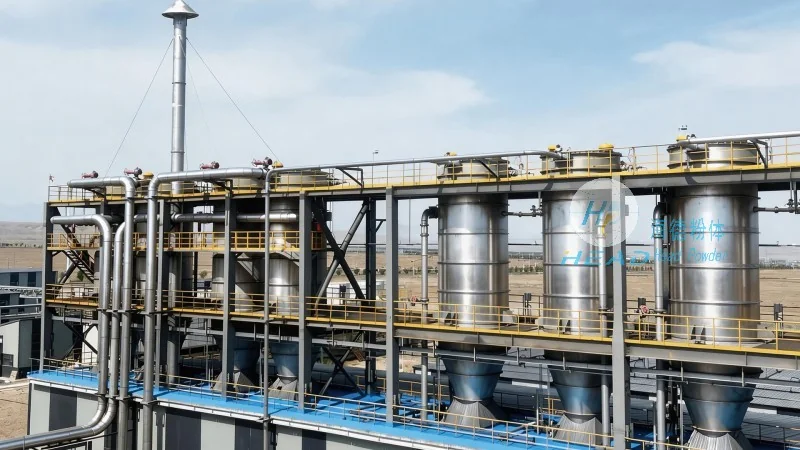
Factors to Consider When Choosing a Pneumatic Conveying System for Seasoning Powders
When selecting a pneumatic conveying system for seasoning powders, several factors must be considered to ensure optimal performance and efficiency. The first factor is the material characteristics of the seasoning powder, such as its particle size, density, and flowability. These properties can significantly impact the system's design and operation. For example, powders with larger particle sizes may require a different type of hopper or conveyor line to prevent blockages. The second factor is the distance and layout of the facility, as this will determine whether a pressure, vacuum, or combined system is more suitable. The third factor is the required flow rate and capacity, as the system must be able to handle the desired amount of powder without causing excessive pressure drops or energy consumption. Additionally, the need for dust control and environmental compliance should be considered, as these systems must meet local regulations regarding air quality and emissions. Finally, the overall cost of the system, including installation, maintenance, and operating costs, should be evaluated to ensure it fits within the budget of the food processing facility.
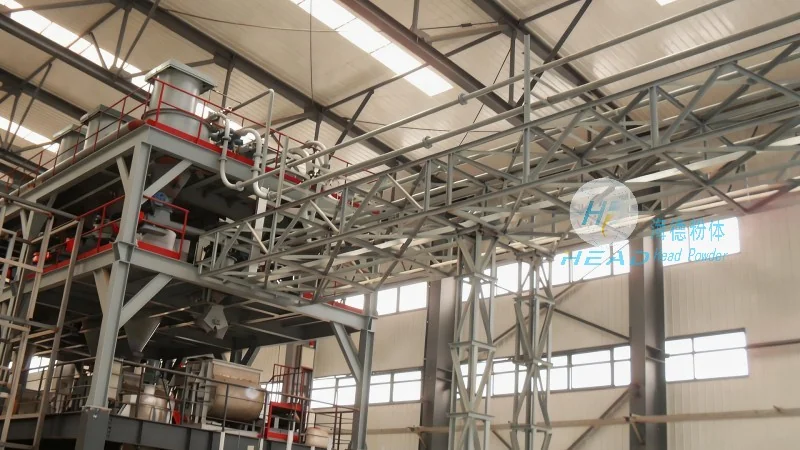
Benefits of Using Pneumatic Conveying Systems for Seasoning Powders
Implementing a pneumatic conveying system for seasoning powders offers several benefits that can improve the overall efficiency and quality of the food processing operation. One of the primary benefits is the preservation of product quality, as the system minimizes direct contact with mechanical components and reduces the risk of contamination. This is particularly important for seasonings, which are often sensitive to moisture and temperature changes. Another benefit is the reduction in labor costs, as these systems can operate with minimal human intervention, allowing workers to focus on other tasks. Additionally, pneumatic conveying systems can improve the safety of the workplace by reducing the need for manual handling of bulk materials, which can be heavy and difficult to transport. Finally, these systems can help to improve the overall productivity of the facility by ensuring a consistent and reliable flow of materials, reducing downtime and increasing throughput.