

Main Structures of Micron Sand Powder Pneumatic Conveying Systems?
Micron sand powder, a critical material in various industrial applications, requires efficient and reliable transportation systems to ensure optimal performance and safety. The primary structures of pneumatic conveying systems for micron sand powder are designed to handle the unique properties of these fine particles, including high dust content, low bulk density, and potential for static charge accumulation. Understanding these structures is essential for selecting the most suitable system for specific operational needs.
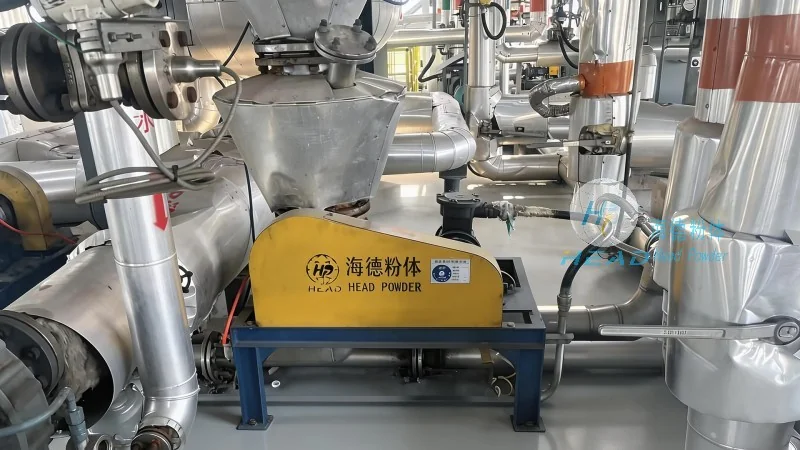
Core Components of Micron Sand Powder Pneumatic Conveying Systems
The fundamental components of a pneumatic conveying system for micron sand powder typically include a material feed hopper, a conveying line (often equipped with special liners to prevent particle abrasion), a pressure or vacuum source (such as a blower or vacuum pump), and a discharge or collection unit. Each component plays a vital role in the overall efficiency and effectiveness of the system. The feed hopper is designed to store and meter the powder, ensuring a consistent flow into the conveying line. The conveying line, often made of corrosion-resistant materials like stainless steel or specialized polymers, is engineered to minimize friction and particle degradation. The pressure or vacuum source generates the necessary airflow to move the powder through the system, while the discharge unit collects the material at the destination, such as a storage silo or processing equipment.
Types of Pneumatic Conveying Structures for Micron Sand Powder
There are several types of pneumatic conveying structures commonly used for micron sand powder, each with distinct characteristics and applications. The most common types include dilute-phase and dense-phase systems. Dilute-phase systems operate at low pressure and high air velocity, suitable for short-distance conveying of fine powders. These systems are typically used when the powder is non-abrasive and the conveying distance is relatively short. Dense-phase systems, on the other hand, operate at higher pressure and lower air velocity, which allows for the transportation of abrasive or sensitive powders over longer distances. This type of system is particularly effective for handling micron sand powder that may cause wear on equipment or require gentle handling to maintain particle integrity.
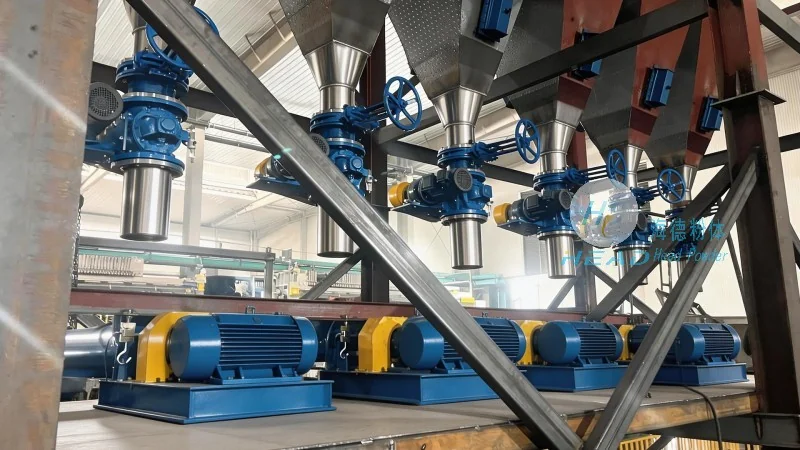
Key Design Considerations for Micron Sand Powder Pneumatic Conveying Structures
When designing a pneumatic conveying system for micron sand powder, several factors must be carefully considered to ensure optimal performance and longevity. First, the material properties of the micron sand powder, such as particle size distribution, moisture content, and abrasiveness, must be thoroughly evaluated. These properties directly impact the choice of conveying system type and component materials. For example, highly abrasive powders may require specialized liners or wear-resistant components to extend the system's lifespan. Second, the conveying distance and required flow rate are critical parameters that influence the system's design. Longer distances or higher flow rates may necessitate larger-diameter lines or more powerful air sources. Third, the need for dust control and environmental compliance is a significant consideration. Many systems incorporate dust collection and filtration equipment to meet regulatory requirements and maintain a safe working environment. Additionally, the integration of the system with existing industrial processes is essential for seamless operation, requiring careful coordination of feed and discharge points with other equipment.
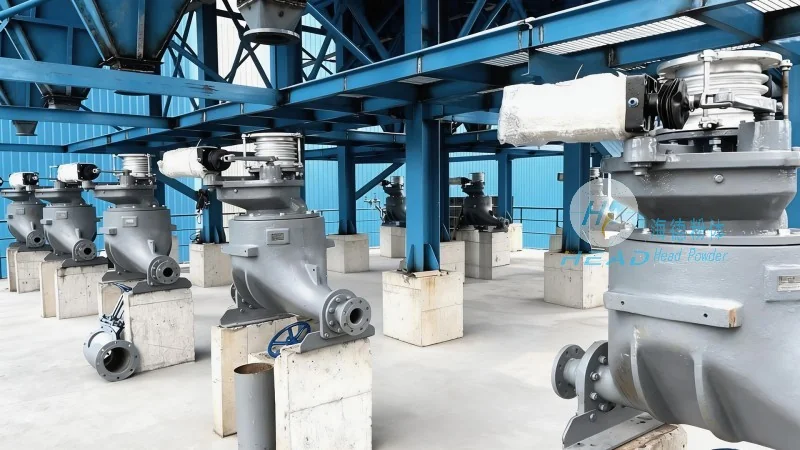
Advantages of Using Pneumatic Conveying for Micron Sand Powder
Pneumatic conveying systems offer several advantages when handling micron sand powder compared to traditional methods like bucket elevators or belt conveyors. One of the primary benefits is the ability to transport fine powders without the need for mechanical contact, which reduces the risk of particle degradation or contamination. This is particularly important for micron sand powder, which may be sensitive to friction or moisture. Another advantage is the flexibility of pneumatic systems, allowing for vertical, horizontal, or combined conveying paths to accommodate complex layouts. This flexibility enables the integration of the system into existing facilities without major structural modifications. Furthermore, pneumatic conveying can be more energy-efficient for certain applications, especially when operating at lower pressures and air velocities. The ability to control the flow rate and pressure in real-time provides better process control, leading to improved product quality and reduced waste.
Applications of Micron Sand Powder Pneumatic Conveying Systems
Micron sand powder pneumatic conveying systems are widely used in various industries, including construction, foundries, and chemical processing. In the construction industry, these systems are used to transport fine sand for concrete production, ensuring consistent particle size and reducing the risk of segregation. In foundries, they are employed to convey sand used in casting processes, maintaining the quality of the sand mixture and improving production efficiency. In chemical processing, pneumatic conveying is used to transport fine powders for various applications, such as in the production of coatings, pigments, and other specialty chemicals. The versatility of these systems makes them suitable for a wide range of applications, from small-scale operations to large industrial plants.