

[MAT]Main Types of Clay Ash Pneumatic Conveying Structures
Clay ash, a byproduct of industrial processes, requires efficient and reliable handling systems to ensure safe and effective transportation. Pneumatic conveying systems offer a robust solution for moving clay ash from one location to another, and understanding the main structural types is crucial for selecting the right equipment for specific applications. This article explores the primary pneumatic conveying structures used for clay ash, highlighting their design features, operational principles, and suitability for various industrial needs.
Introduction to Clay Ash Pneumatic Conveying
Before delving into the specific structures, it is essential to understand the fundamentals of pneumatic conveying for clay ash. Pneumatic systems utilize air or gas to transport bulk materials like clay ash through a pipeline network. The key advantage of these systems lies in their ability to handle abrasive and potentially hazardous materials while minimizing the risk of dust exposure and environmental contamination. Companies such as Shandong HeadPowder Engineering Co., Ltd., based in China, specialize in designing and manufacturing customized pneumatic conveying solutions tailored to the unique requirements of clay ash processing facilities.
Key Structural Components of Clay Ash Pneumatic Conveying Systems
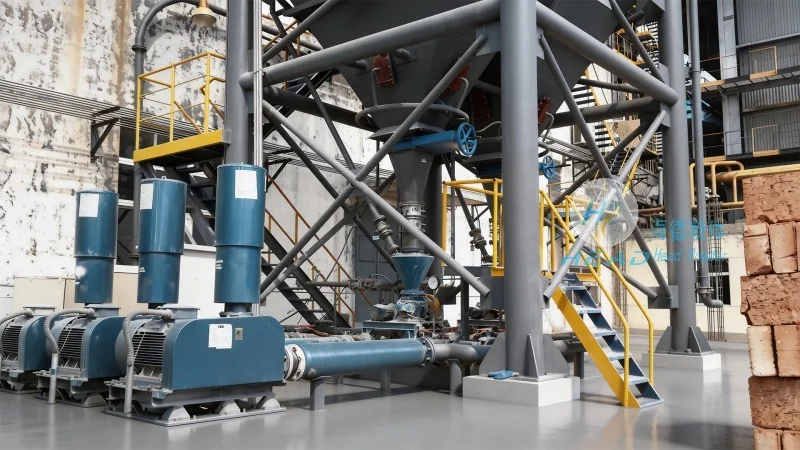
All pneumatic conveying systems for clay ash consist of several core components, including a material feed hopper, a conveying pipeline, a dust collector or filter system, and a discharge outlet. The material feed hopper is responsible for storing and feeding the clay ash into the system, while the pipeline transports the material under pressure. The dust collector ensures that any airborne particles are captured and returned to the system or disposed of safely. The discharge outlet delivers the clay ash to its final destination, such as a storage silo or processing unit. These components work in tandem to create a seamless and efficient conveying process.
Types of Pneumatic Conveying Structures for Clay Ash
There are primarily two main categories of pneumatic conveying structures used for clay ash: positive pressure systems and negative pressure (or vacuum) systems. Each type has distinct characteristics and is suited to different operational scenarios.
Positive Pressure Pneumatic Conveying Systems
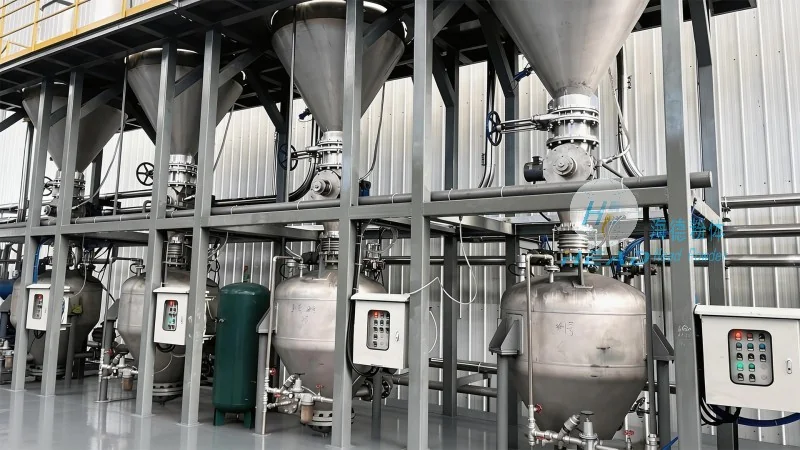
Positive pressure systems operate by blowing air or gas into the conveying pipeline, creating a pressure higher than the ambient air pressure. This method is particularly effective for transporting clay ash over long distances or through complex network layouts. The high-pressure air forces the material to move through the pipeline, ensuring consistent flow rates and minimal material degradation. A key component in positive pressure systems is the air compressor, which generates the necessary pressure. The system typically includes a blower or fan that supplies the air, and the material is fed into the pipeline using a rotary valve or feeder. Positive pressure systems are often preferred for applications where the clay ash is abrasive or contains moisture, as the high pressure helps to maintain the material's integrity and prevent clogging.
Negative Pressure (Vacuum) Pneumatic Conveying Systems
Negative pressure systems, also known as vacuum systems, operate by creating a vacuum in the conveying pipeline, drawing the clay ash into the system. This method is ideal for short-distance conveying or when the material needs to be collected from multiple points. The vacuum is generated by a vacuum pump or fan, which pulls air and material through the pipeline. The system includes a collection hopper or inlet where the clay ash is drawn into the pipeline, and a filter or dust collector to remove any particles from the air before it is released. Negative pressure systems are generally more suitable for handling fine or dusty clay ash, as the vacuum helps to capture and transport even the smallest particles without causing excessive wear on the equipment.
Horizontal and Vertical Conveying Structures
Within the broader categories of positive and negative pressure systems, there are further distinctions based on the direction of material movement. Horizontal and vertical conveying structures are the most common configurations used in clay ash handling applications.
Horizontal Pneumatic Conveying Structures
Horizontal conveying structures are designed to transport clay ash along a pipeline that runs parallel to the ground. These systems are typically used for short to medium distances and are suitable for applications where the material needs to be moved from one point to another within a facility. The horizontal pipeline is often installed above ground or underground, depending on the site layout and operational requirements. Horizontal systems are generally more cost-effective for short distances and can handle larger volumes of clay ash compared to vertical systems. They are commonly used in industrial settings where the clay ash is processed and stored in nearby silos or storage tanks.
Vertical Pneumatic Conveying Structures
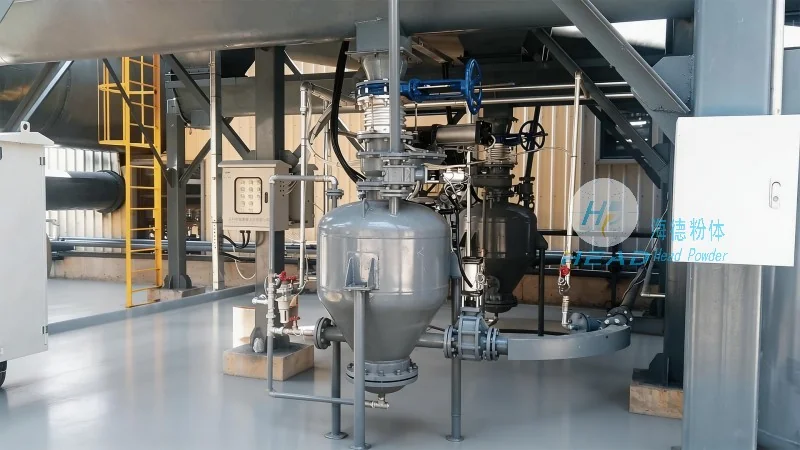
Vertical conveying structures are used when the clay ash needs to be transported vertically, such as from a lower-level collection point to an upper-level storage silo or processing unit. These systems are more complex and require careful design to ensure stable and efficient operation. Vertical pipelines are typically equipped with special components, such as check valves or flow regulators, to prevent backflow and maintain consistent material flow. The vertical design allows for space-saving solutions in facilities where horizontal space is limited. Vertical pneumatic conveying systems are often used in applications where the clay ash is collected from a hopper or conveyor and needs to be elevated to a higher level for further processing or storage.
Customized Solutions for Specific Applications
While the basic types of pneumatic conveying structures are well-established, many industrial applications require customized solutions to meet specific operational demands. Shandong HeadPowder Engineering Co., Ltd. specializes in developing tailored systems that address the unique challenges of clay ash handling. For example, in facilities where the clay ash is abrasive and contains high levels of moisture, the system may include additional components such as a pre-drying unit or a wear-resistant pipeline. The company's engineers work closely with clients to assess the material properties, processing requirements, and site constraints to design a system that maximizes efficiency and minimizes maintenance costs.
Conclusion
In conclusion, the main pneumatic conveying structures for clay ash include positive pressure systems, negative pressure systems, horizontal structures, and vertical structures. Each type has its own advantages and is suited to different operational scenarios. By understanding the design features and operational principles of these structures, industrial facilities can select the most appropriate equipment for their clay ash handling needs. Companies like Shandong HeadPowder Engineering Co., Ltd. play a crucial role in providing customized solutions that ensure safe, efficient, and reliable transportation of clay ash, contributing to the overall productivity and sustainability of industrial operations.