

Components of Pneumatic Conveying for Foam Plastic
For industries dealing with foam plastic materials, understanding the components of a pneumatic conveying system is crucial for efficient material handling and processing. A well-designed system ensures reliable and safe transportation of lightweight foam particles, which can be challenging due to their low density and tendency to clog or degrade under certain conditions. The following sections outline the key components that make up a typical pneumatic conveying system for foam plastic applications, emphasizing the engineering solutions provided by Shandong HeadPowder Engineering Co., Ltd., a leading manufacturer in this field.
1. Material Feeding and Conditioning Unit
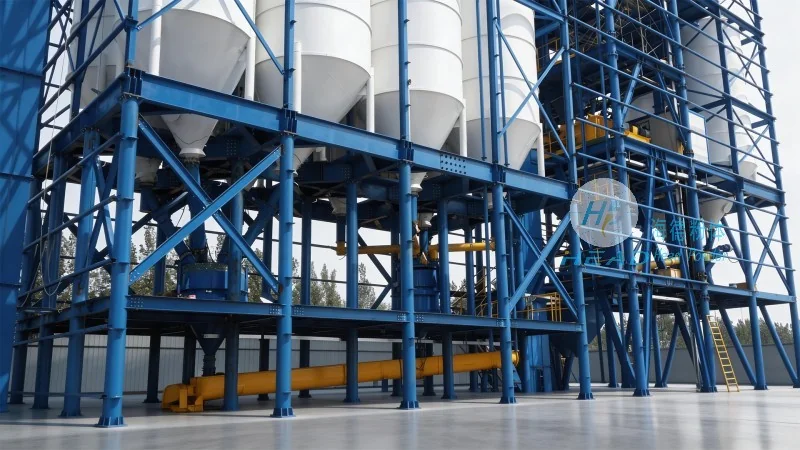
The first critical component in any pneumatic conveying system is the material feeding and conditioning unit. This unit is responsible for preparing the foam plastic material for transport by ensuring consistent and controlled feeding into the system. For foam plastic, which can be irregularly shaped or have varying bulk densities, a specialized feeder is essential. Shandong HeadPowder Engineering Co., Ltd. offers advanced feeding solutions such as rotary valves, screw feeders, or vibratory feeders that can handle the unique characteristics of foam plastic. These feeders are designed to minimize material degradation, prevent blockages, and maintain a steady flow rate, which is vital for the overall efficiency of the conveying process. The conditioning unit may also include features like pre-drying or pre-screening to remove moisture or contaminants that could affect the performance of the foam plastic and the conveying system.
2. Pneumatic Conveying Pipeline System
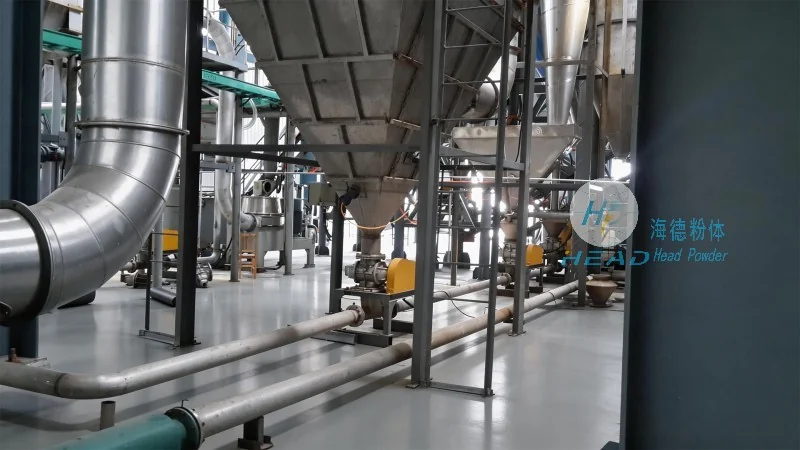
The pipeline system is the backbone of the pneumatic conveying process, responsible for transporting the foam plastic particles through the system under pressure. The design of the pipeline is tailored to the specific properties of foam plastic, which typically requires a combination of low-pressure and high-pressure conveying methods. Shandong HeadPowder Engineering Co., Ltd. utilizes high-quality, corrosion-resistant materials such as stainless steel or aluminum for the pipeline to ensure durability and resistance to the chemicals or abrasives that may be present in foam plastic processing environments. The pipeline may include various components like elbows, tees, and straight sections, all designed to minimize pressure loss and maintain the integrity of the foam particles. For foam plastic, which can be sensitive to friction and pressure, the use of smooth, non-abrasive surfaces is crucial to prevent particle degradation. The system may also incorporate pressure regulators and flow meters to monitor and control the conveying parameters, ensuring optimal performance and preventing system overloads.
3. Air Supply and Control System
The air supply and control system provides the necessary pressure and volume of air to move the foam plastic particles through the pipeline. This system typically includes an air compressor, air treatment equipment (such as filters and dryers), and control valves. Shandong HeadPowder Engineering Co., Ltd. recommends using high-efficiency compressors that can deliver consistent air pressure and volume, which is essential for maintaining the stability of the foam particles during transport. The air treatment equipment is critical to remove contaminants like oil, moisture, and particulates from the air, as these can affect the quality of the foam plastic and the performance of the conveying system. The control system, which may include pressure sensors and flow controllers, allows operators to adjust the air supply in real-time, adapting to changes in material feed rate or pipeline conditions. This dynamic control helps maintain optimal conveying efficiency and prevents issues like excessive pressure or air leaks that could lead to system failures.
4. Separation and Collection Equipment
At the end of the conveying process, the foam plastic particles need to be separated from the air stream and collected. This is achieved through a separation and collection unit, which typically includes a cyclone separator, a filter, and a collection hopper. The cyclone separator uses centrifugal force to separate larger foam particles from the air, while the filter captures finer particles and dust. Shandong HeadPowder Engineering Co., Ltd. designs these components with foam plastic handling in mind, ensuring that the separation efficiency is high and that the equipment can handle the low density and light weight of the particles. The collection hopper is designed to store the conveyed foam plastic in a controlled manner, preventing spillage and ensuring easy access for downstream processing. The separation unit may also include features like air recycling, where the cleaned air is returned to the system to reduce energy consumption and improve overall efficiency.
5. Control and Monitoring System
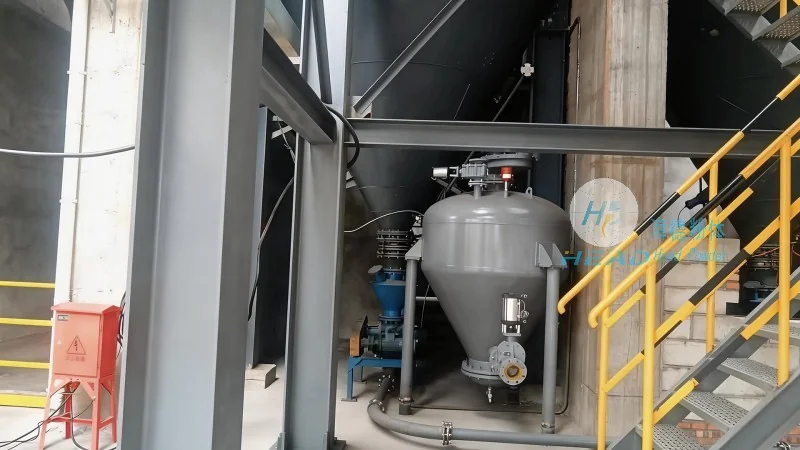
A comprehensive control and monitoring system is essential to manage the entire pneumatic conveying process for foam plastic. This system integrates all the components of the conveying line, providing real-time data on pressure, flow rate, and material level. Shandong HeadPowder Engineering Co., Ltd. offers advanced control panels and software that allow operators to monitor the system's performance and make adjustments as needed. The control system may include alarms and safety features to detect and prevent issues such as overpressure, air leaks, or material blockages. By providing detailed monitoring and control capabilities, this system ensures the safe and efficient operation of the pneumatic conveying system, minimizing downtime and maximizing productivity. The software may also include data logging features, allowing for historical analysis of system performance and identification of areas for improvement.
6. Maintenance and Support
Regular maintenance is crucial to ensure the long-term reliability and performance of a pneumatic conveying system for foam plastic. Shandong HeadPowder Engineering Co., Ltd. provides comprehensive maintenance services and support to its clients, including routine inspections, component replacement, and troubleshooting. The company's expertise in foam plastic handling allows for tailored maintenance plans that address the specific needs of each system. By maintaining the system properly, operators can extend the lifespan of the equipment, reduce repair costs, and ensure consistent performance. The maintenance services may include cleaning of the pipeline, replacement of filters, and inspection of the feeding and separation components. Shandong HeadPowder Engineering Co., Ltd. also offers training programs for operators to enhance their understanding of the system and improve their ability to maintain it effectively.