

What is Ash Pneumatic Conveying? An Introduction to the Working Principle of Powder Handling Systems
Understanding the mechanics of ash pneumatic conveying is crucial for industries dealing with solid waste management and material handling. This article provides a detailed overview of the ash pneumatic conveying system, explaining its working principles and the key components that enable efficient powder transport. The information is presented by Shandong HeadPowder Engineering Co., Ltd., a leading provider of specialized engineering solutions based in Shandong, China.
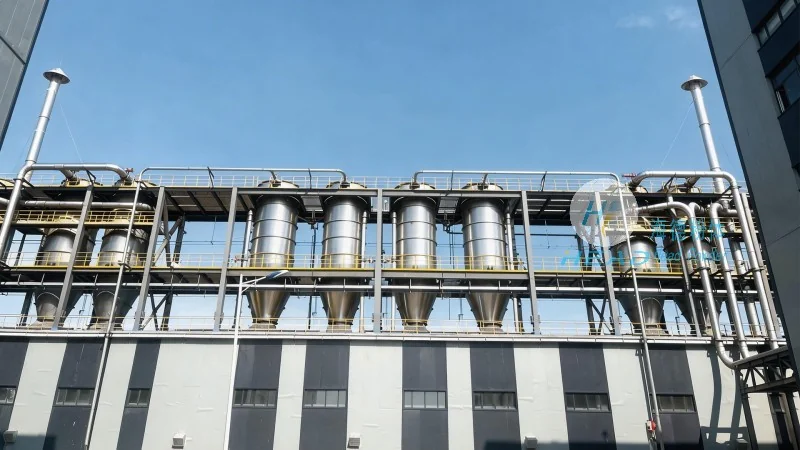
Introduction to Ash Pneumatic Conveying Systems
Ash pneumatic conveying, also known as powder handling systems, is a method used to transport dry bulk materials like fly ash, cement, and other fine powders through a pipeline using air or gas as the conveying medium. This technology offers a flexible and efficient solution for moving materials over short to medium distances, often replacing traditional methods such as belt conveyors or bucket elevators. The system is particularly beneficial in applications where dust control, hygiene, and minimal material degradation are critical factors.
Working Principle of the Ash Pneumatic Conveying System
The core of an ash pneumatic conveying system is the interaction between the material and the air flow within a closed pipeline. The process typically involves two main modes: the suction (or vacuum) mode and the pressure (or positive) mode. In the suction mode, a vacuum is created at the material inlet to draw the ash particles into the pipeline. The air, carrying the ash, is then directed to a separator where the material is separated from the air stream. The separated ash is then deposited at the discharge point. In the pressure mode, compressed air is used to push the material through the pipeline from the discharge end towards the inlet. Both modes rely on the principle of fluidization, where the air flow creates a suspension of the powder particles, allowing them to be transported efficiently.
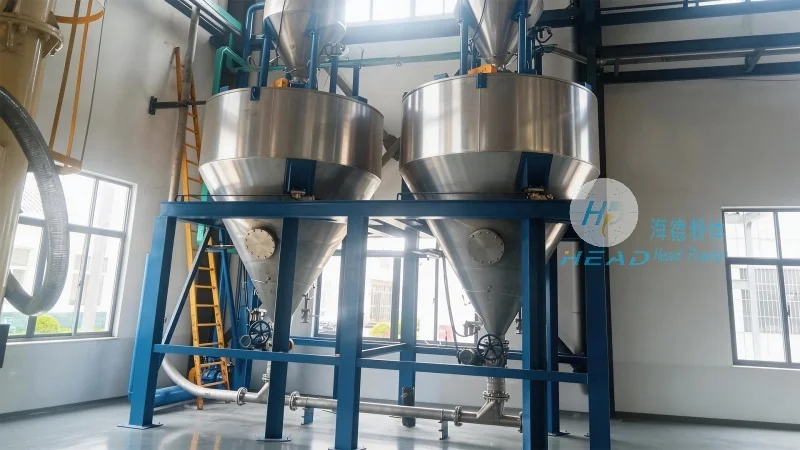
Key Components of an Ash Pneumatic Conveying System
Several critical components work together to ensure the smooth operation of an ash pneumatic conveying system. These include the material feed hopper, which holds the ash and provides a controlled feed into the system; the conveying pipeline, which forms the main transport path; the air mover (either a vacuum pump for suction or a blower for pressure); the separator, which separates the ash from the air and prevents dust emissions; and the discharge device, which controls the release of the ash at the destination. Additionally, the system may include filters to capture any fine particles that escape the separator, ensuring compliance with environmental regulations and maintaining air quality. The design of these components is tailored to the specific characteristics of the ash, such as particle size, moisture content, and flowability, to optimize performance and minimize operational issues.
Advantages of Using Ash Pneumatic Conveying Systems
Compared to traditional material handling methods, ash pneumatic conveying systems offer several advantages that make them a preferred choice in many industrial applications. One of the primary benefits is the ability to transport materials in a closed system, which significantly reduces dust emissions and improves workplace safety. This is particularly important in environments where fine particles can pose health risks or cause environmental contamination. Another advantage is the flexibility of the system, as it can be easily reconfigured to handle different material types or to change the transport route without major modifications. The system also allows for continuous operation, which can increase productivity and reduce labor costs. Furthermore, the absence of moving parts at the discharge point minimizes the risk of material degradation and contamination, ensuring the quality of the transported ash remains consistent.
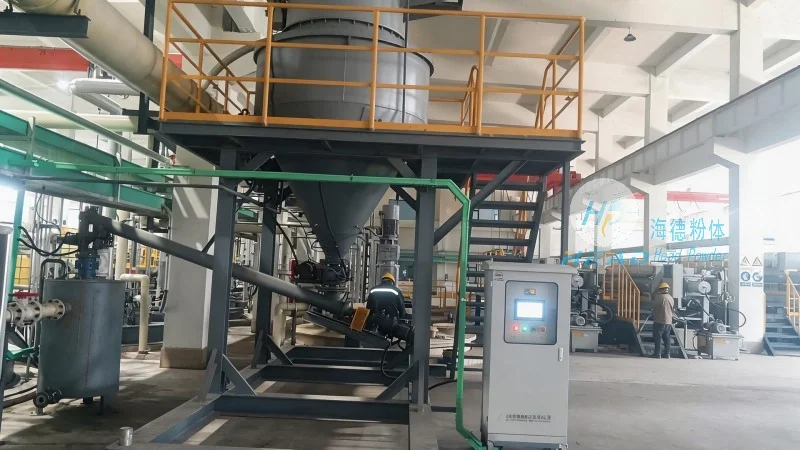
Applications of Ash Pneumatic Conveying Systems
Ash pneumatic conveying systems are widely used in various industries, including power generation, cement production, and construction. In power plants, these systems are used to transport fly ash from the boiler to storage silos or to other processing facilities. The ability to handle large volumes of ash efficiently and safely makes them essential in managing the byproducts of coal combustion. In the cement industry, the system is used to transport raw materials like limestone and cement clinker, as well as finished products to storage or packaging areas. The consistent and controlled transport of these materials is critical for maintaining the quality of the final product. Additionally, the system is used in construction sites to transport bulk materials like sand, gravel, and cement, where the need for dust control and efficient material movement is paramount.
Conclusion
As demonstrated, ash pneumatic conveying systems are a sophisticated and efficient method for handling dry bulk materials. By understanding the working principles and key components of the system, industries can optimize their material transport processes, improve safety, and reduce operational costs. Shandong HeadPowder Engineering Co., Ltd. specializes in designing and manufacturing customized ash pneumatic conveying systems tailored to the specific needs of their clients, ensuring reliable and effective material handling solutions. With their expertise and commitment to quality, they provide industries with the tools needed to manage their ash and powder handling operations efficiently and sustainably.