

Clay Ash Pneumatic Conveying System Principles
Clay ash, a byproduct commonly found in industrial processes such as power generation and cement production, requires efficient and reliable handling systems to ensure safe and effective transportation. The clay ash pneumatic conveying system represents a sophisticated solution designed to address the unique challenges associated with this material. This system leverages the principles of pneumatic transport to move clay ash from its source to its destination, offering advantages like reduced labor costs, minimized environmental impact, and enhanced operational safety.
Understanding the Core Principles of Pneumatic Conveying
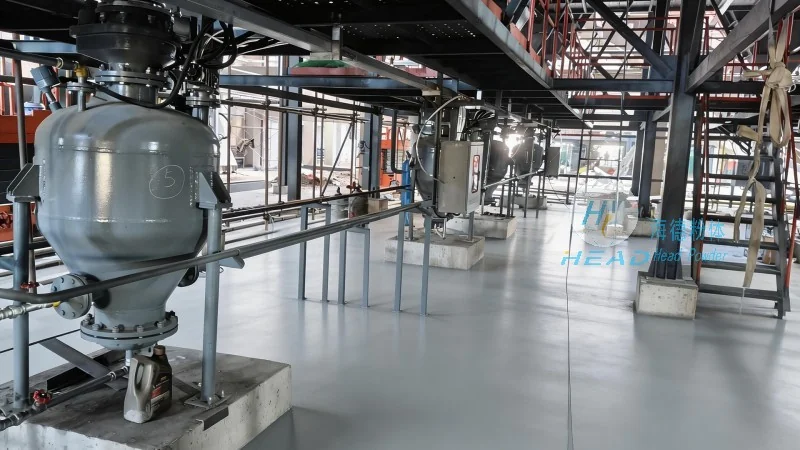
The clay ash pneumatic conveying system operates on the fundamental principle of using air as a medium to transport particulate materials. Unlike traditional mechanical conveying methods, which rely on belts, buckets, or screws, pneumatic systems utilize pressure differentials to move material through a pipeline. This method is particularly suitable for clay ash due to its fine particle size and potential for dust generation. The system typically consists of a blower or compressor, a hopper for material storage, a pipeline network, and a receiver for the delivered ash. The air flow generated by the blower creates a low-pressure zone that draws the clay ash into the pipeline, where it is carried to the destination by the moving air stream.
Key Components and Their Functions
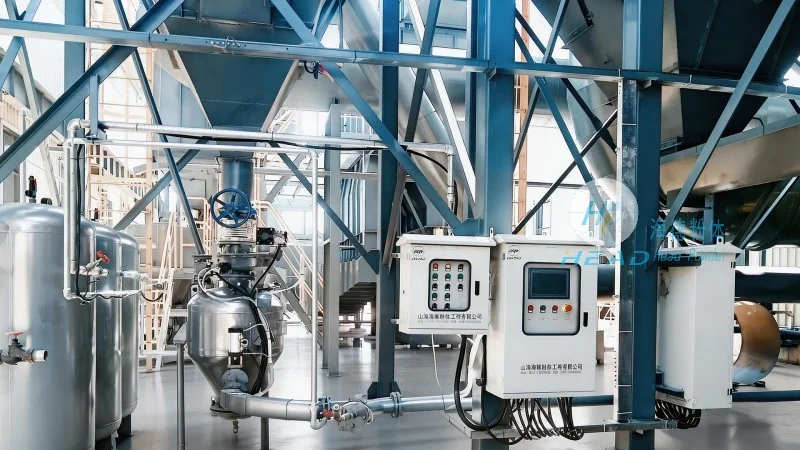
Several critical components work in tandem to ensure the efficient operation of the clay ash pneumatic conveying system. The first is the blower or compressor, which provides the necessary air pressure to initiate and maintain the conveying process. This component is often selected based on the system's required air volume and pressure, ensuring it can handle the specific characteristics of clay ash, such as its density and moisture content. The hopper, typically made of durable materials like stainless steel or high-density polyethylene, serves as the storage vessel for the clay ash. It is equipped with a feed mechanism, such as a rotary valve or a screw feeder, that controls the flow of material into the pipeline. The pipeline network, constructed from materials resistant to corrosion and abrasion, such as stainless steel or high-density polyethylene, forms the path for the material and air mixture. The receiver, located at the end of the pipeline, collects the delivered clay ash and may include features like a dust collection system to prevent environmental contamination.
Advantages of the Clay Ash Pneumatic Conveying System
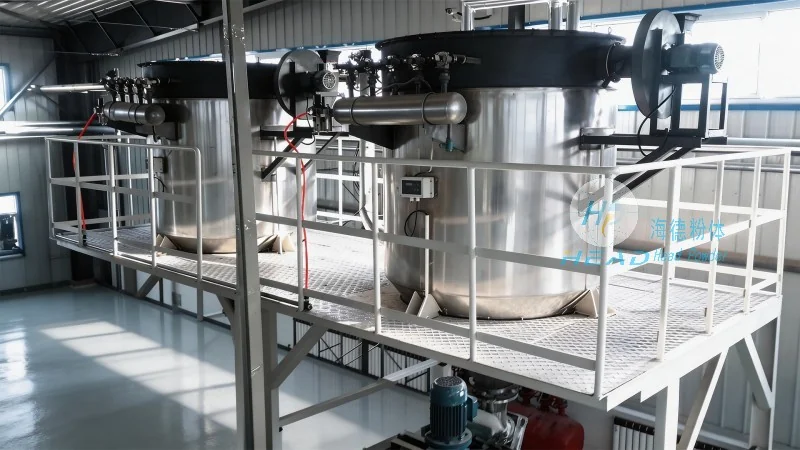
Implementing a clay ash pneumatic conveying system offers numerous benefits for industrial operations. One of the most significant advantages is the reduction in labor costs associated with manual handling and transportation of clay ash. By automating the process, the system minimizes the need for human intervention, thereby lowering the risk of accidents and improving overall workplace safety. Additionally, pneumatic conveying systems are highly effective in reducing dust emissions compared to traditional methods, contributing to better air quality and compliance with environmental regulations. The system's ability to handle fine particles without clogging or blockages is another key benefit, as clay ash often contains particles that can cause operational issues in other types of conveyors. Furthermore, the flexibility of the system allows for easy integration with existing industrial infrastructure, making it a practical solution for retrofitting or expanding existing facilities.
Application Scenarios and Operational Considerations
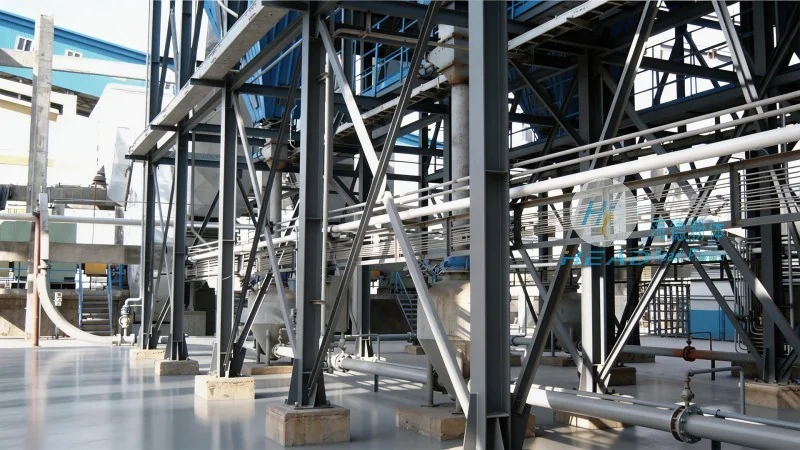
The clay ash pneumatic conveying system is widely used in various industrial applications where clay ash needs to be transported over short to medium distances. Common applications include the transfer of ash from power plant boilers to storage silos, the movement of ash from cement kilns to disposal sites, and the handling of ash in recycling facilities. When designing and operating such a system, several factors must be considered to ensure optimal performance. The moisture content of the clay ash is a critical parameter, as high moisture levels can lead to caking or blockages in the pipeline. Proper moisture control, such as drying the ash before conveying, is essential to maintain system efficiency. The particle size distribution of the clay ash also plays a role, as finer particles require higher air velocities to prevent settling. System designers must consider these characteristics to select appropriate equipment and operating parameters. Additionally, the system's capacity and the required conveying distance influence the selection of the blower size and pipeline diameter, ensuring that the system can meet the operational demands without excessive energy consumption.
Conclusion and Company Overview
In conclusion, the clay ash pneumatic conveying system is a highly effective and efficient solution for handling clay ash in industrial settings. By leveraging pneumatic transport principles, this system offers significant advantages over traditional mechanical methods, including improved safety, reduced environmental impact, and lower operational costs. The system's design and components are tailored to address the unique properties of clay ash, ensuring reliable and continuous operation. Shandong HeadPowder Engineering Co., Ltd., a leading provider of engineering solutions in this field, specializes in designing and manufacturing clay ash pneumatic conveying systems that meet the specific needs of industrial clients. With a focus on quality and innovation, the company ensures that its systems are built to last and perform optimally, providing long-term value to its customers. Based in Shandong, China, HeadPowder Engineering Co., Ltd. combines years of experience and advanced technology to deliver customized solutions that enhance the efficiency and sustainability of industrial operations.