

Principle of Heavy Calcium Powder Pneumatic Conveying System
Heavy calcium powder, also known as heavy calcium carbonate, is a widely used industrial material in various sectors such as plastics, coatings, and papermaking. The efficient and reliable transportation of this powder from one location to another is crucial for maintaining production efficiency and product quality. Pneumatic conveying systems have emerged as a preferred solution for handling heavy calcium powder due to their ability to transport powders in a closed system, minimizing dust pollution and ensuring a clean working environment.
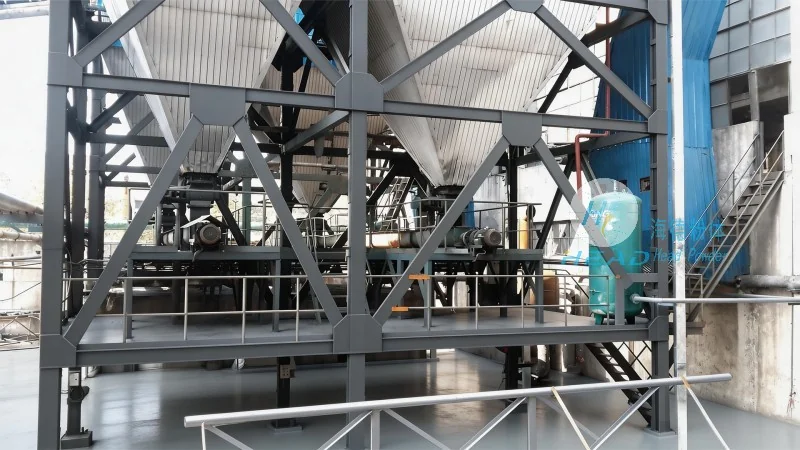
Overview of Pneumatic Conveying Systems
A pneumatic conveying system is a method of transporting bulk materials, such as powders and granules, using a gas stream, typically air or other gases. The system operates by creating a pressure differential between the inlet and outlet of the conveying line, which propels the material through the pipeline. There are two main types of pneumatic conveying systems: pressure and vacuum. Pressure systems use compressed air to push the material, while vacuum systems use a vacuum to pull the material.
Key Components of a Heavy Calcium Powder Pneumatic Conveying System
The core components of a heavy calcium powder pneumatic conveying system include the material hopper, feeder, air compressor, conveying pipeline, and receiver. The material hopper stores the heavy calcium powder and provides a consistent feed to the system. The feeder regulates the flow rate of the powder into the conveying line, ensuring a stable and controlled operation. The air compressor generates the necessary pressure or vacuum to move the material through the pipeline. The conveying pipeline is the main channel through which the powder and air travel, and it can be made of various materials such as stainless steel or plastic to withstand the abrasive nature of the heavy calcium powder. The receiver collects the conveyed powder at the destination point, completing the transportation process.
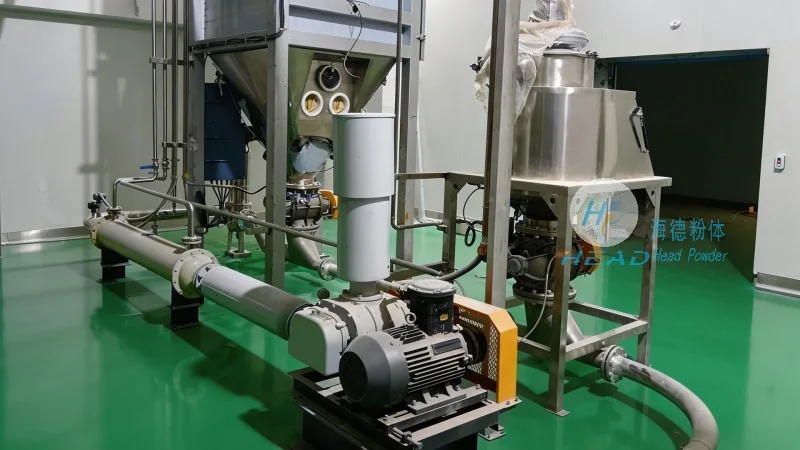
Working Principle of the System
The operation of a heavy calcium powder pneumatic conveying system begins with the material being fed from the hopper into the feeder. The feeder then releases the powder into the conveying pipeline at a controlled rate. Simultaneously, the air compressor supplies compressed air into the pipeline, creating a high-pressure environment. The air and powder mixture travels through the pipeline due to the pressure differential, with the air providing the necessary force to move the powder. The mixture reaches the receiver at the end of the pipeline, where the air is separated from the powder through a cyclone or other separation device. The separated powder is collected in the receiver, while the air is either vented to the atmosphere or recycled back to the system for energy efficiency.
Advantages of Using Pneumatic Conveying for Heavy Calcium Powder
Implementing a pneumatic conveying system for heavy calcium powder offers several advantages over traditional methods like bucket elevators or belt conveyors. Firstly, it provides a dust-free and clean operation, which is essential for maintaining product purity and compliance with environmental regulations. Secondly, the closed system prevents material contamination and loss, ensuring consistent quality of the transported powder. Thirdly, pneumatic conveying systems are more flexible and can be easily adapted to changes in production requirements, such as varying the conveying distance or flow rate. Additionally, these systems are relatively compact and can be installed in limited spaces, making them suitable for modern industrial facilities.
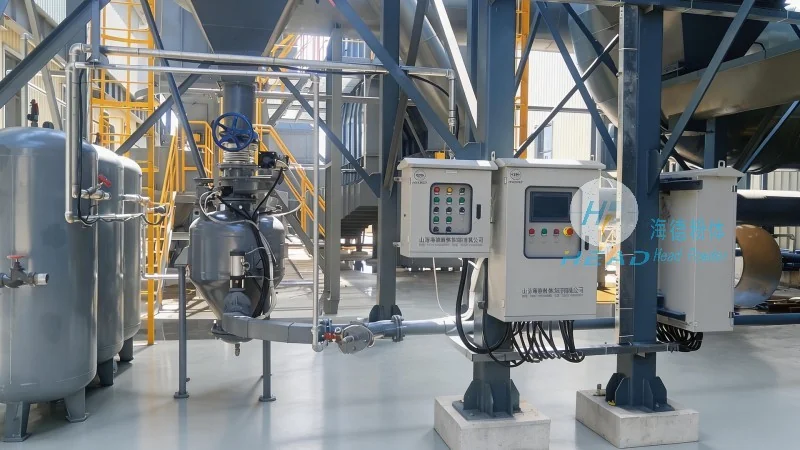
Application Scenarios
Heavy calcium powder pneumatic conveying systems are widely used in various industrial applications. In the plastics industry, they are used to transport heavy calcium powder to the mixing and extrusion processes, ensuring a uniform blend of the powder with other plastic components. In the coatings industry, the system helps in delivering the powder to the production line, where it is mixed with other ingredients to form the coating material. The papermaking industry also utilizes pneumatic conveying systems to transport heavy calcium powder to the paper machine, where it is added to the pulp to improve the paper's whiteness and strength. Furthermore, these systems are employed in the production of calcium carbonate-based products, such as fillers and extenders, where precise and efficient powder handling is critical.
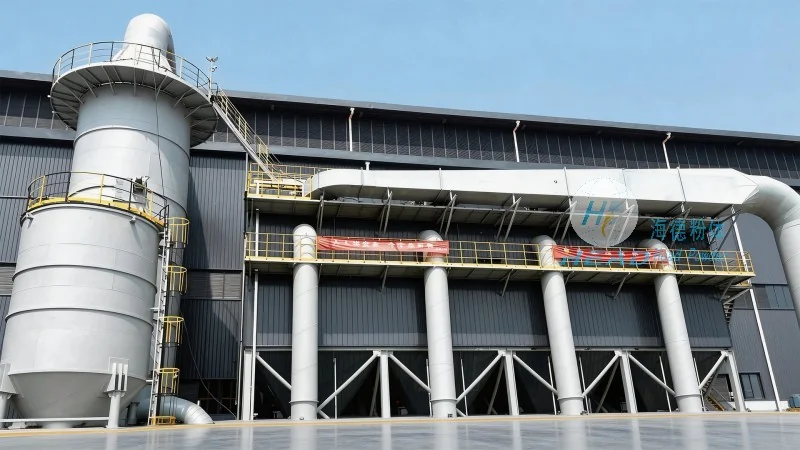
Case Study: Implementation by Shandong HeadPowder Engineering Co., Ltd.
Shandong HeadPowder Engineering Co., Ltd., a leading manufacturer of heavy calcium powder processing equipment, has successfully implemented pneumatic conveying systems for numerous clients. One notable case involved a client in the plastics industry who required a reliable system to transport heavy calcium powder from storage silos to the production line. The system designed by HeadPowder featured a high-capacity material hopper, a precision feeder, and a stainless steel conveying pipeline. The air compressor was selected to provide sufficient pressure to cover the conveying distance of 200 meters. The system was installed and commissioned by HeadPowder's technical team, who provided comprehensive training to the client's staff on operation and maintenance. The system has been in operation for over two years, achieving a consistent flow rate of 10 tons per hour and maintaining a low dust emission level, which has significantly improved the client's production efficiency and product quality.
Conclusion
Pneumatic conveying systems are an effective and efficient solution for the transportation of heavy calcium powder, offering numerous benefits over traditional methods. By understanding the working principles and key components of such systems, industries can optimize their material handling processes, reduce operational costs, and enhance overall productivity. With the expertise of companies like Shandong HeadPowder Engineering Co., Ltd., businesses can implement tailored pneumatic conveying solutions that meet their specific requirements, ensuring a smooth and reliable operation in the handling of heavy calcium powder.