

Principle of Sodium Nitrate Pneumatic Conveying System
HeadPowder, a leading engineering firm based in Shandong, China, specializes in the design and implementation of advanced pneumatic conveying systems for sodium nitrate. This article delves into the fundamental principles behind such systems, highlighting the technical aspects that ensure efficient and reliable material handling.
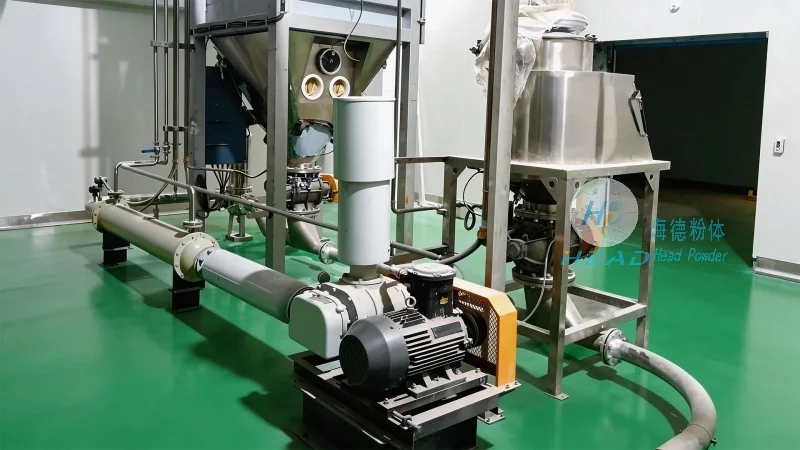
Understanding Pneumatic Conveying Systems
Pneumatic conveying systems utilize air or gas to transport bulk materials like sodium nitrate from one location to another. The core principle involves creating a flow of air that propels the material through a pipeline. There are two primary types of pneumatic conveying: dilute-phase and dense-phase. Dilute-phase systems rely on high-velocity air to suspend the material, while dense-phase systems use lower velocities with higher air-to-material ratios to move the material in a more controlled manner. For sodium nitrate, the choice of system depends on factors such as the material's properties, the distance to be conveyed, and the required flow rate.
Key Components of a Sodium Nitrate Pneumatic Conveying System
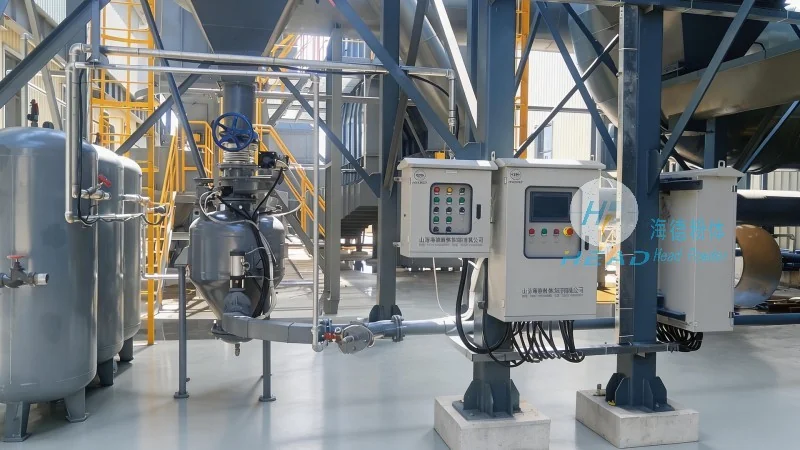
A typical pneumatic conveying system for sodium nitrate consists of several critical components. The suction or pressure unit generates the necessary air flow, either by creating a vacuum (suction) or pressurizing the system (pressure). The feed hopper is used to store and meter the sodium nitrate, ensuring a consistent flow into the pipeline. The conveying line is the main pipeline through which the material is transported, often equipped with bends, valves, and filters to maintain system efficiency. The discharge unit collects the material at the destination, and filtering and dust control systems are essential to prevent material loss and ensure environmental compliance. Each component plays a vital role in the overall performance and reliability of the system.
Principles of Operation
The operation of a sodium nitrate pneumatic conveying system is governed by several physical principles. The most critical is the air velocity required to keep the material suspended. This velocity must be sufficient to overcome the gravitational forces acting on the particles. The air-to-material ratio is another key factor, as it determines the system's capacity and efficiency. A higher ratio allows for greater material throughput but may increase energy consumption. The particle size and density of sodium nitrate also influence the system's design, as finer particles may require higher velocities to avoid settling. Engineers at HeadPowder carefully calculate these parameters to optimize the system for specific applications, ensuring minimal wear and tear on components and maximum operational efficiency.
Advantages of Pneumatic Conveying for Sodium Nitrate
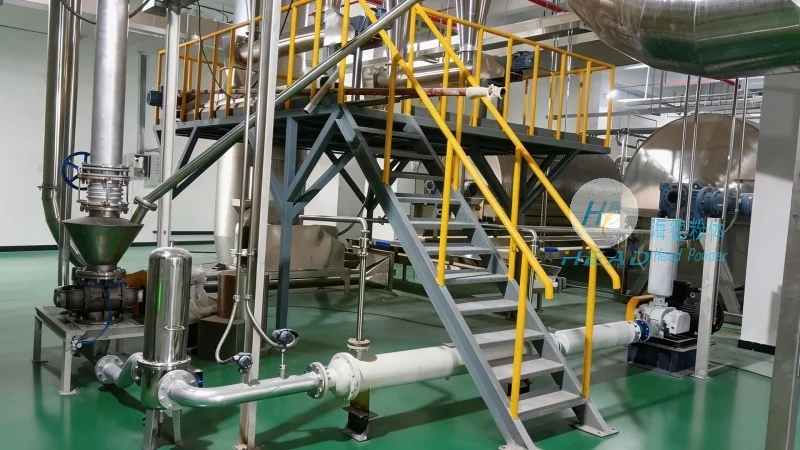
Implementing a pneumatic conveying system for sodium nitrate offers several advantages over traditional methods like belt conveyors or bucket elevators. One of the primary benefits is the hygienic and dust-free operation, which is crucial for materials used in food or pharmaceutical industries. Pneumatic systems also provide flexibility in layout, allowing for complex routing of pipelines to accommodate existing infrastructure or space constraints. Additionally, these systems can reduce material degradation by minimizing direct contact with equipment and preventing exposure to air, which is particularly important for sodium nitrate as it can be sensitive to moisture and temperature changes. The ability to control flow rates precisely also enhances process stability and reduces the risk of overloading or underloading downstream equipment.
Design Considerations and Customization
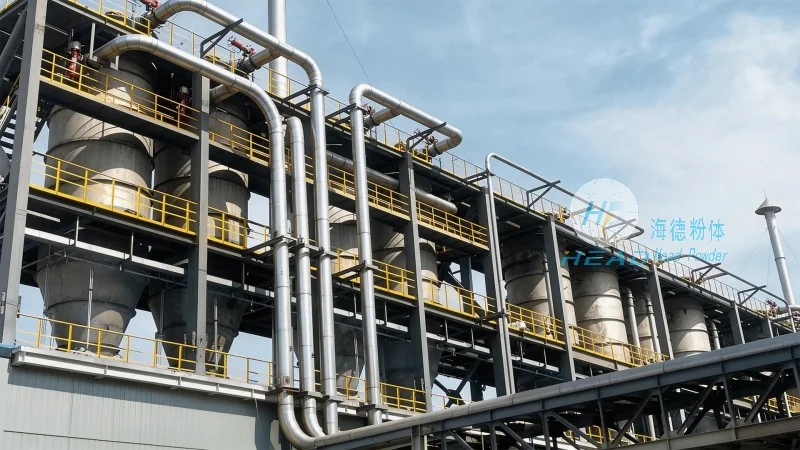
Designing a pneumatic conveying system for sodium nitrate requires careful consideration of various factors to ensure optimal performance. HeadPowder engineers evaluate the material characteristics, including its bulk density, flowability, and abrasiveness, to select the appropriate system type and components. The distance and elevation changes between the feed and discharge points are also critical, as they affect the required air pressure and velocity. For long-distance or high-elevation conveying, specialized components such as booster units or vacuum pumps may be necessary. Customization is a key aspect of HeadPowder's approach, as each project is unique. The company works closely with clients to understand their specific needs, whether it's for high-capacity bulk handling, low-profile installations, or integration with existing processing lines. This tailored approach ensures that the final system meets all operational requirements while adhering to safety and regulatory standards.
Maintenance and Longevity
Proper maintenance is essential to ensure the long-term reliability and efficiency of a sodium nitrate pneumatic conveying system. HeadPowder emphasizes regular inspections and maintenance schedules to prevent issues such as clogging, wear, or air leaks. The filter system is a critical component that requires periodic cleaning or replacement to maintain air quality and prevent material buildup. The conveying line and components should be checked for signs of wear or corrosion, especially in applications involving abrasive materials like sodium nitrate. By implementing a proactive maintenance program, users can extend the lifespan of the system, reduce downtime, and minimize operational costs. HeadPowder provides comprehensive maintenance services and support to help clients maximize the performance and longevity of their pneumatic conveying systems.