

Principle of Pneumatic Conveying Equipment for Silicone Powder
Efficient and reliable material handling is crucial in the production and processing of silicone powder, a key component in various industrial applications. Pneumatic conveying equipment has emerged as a sophisticated solution for transporting fine powders like silicone powder, offering advantages over traditional methods such as reduced contamination, improved safety, and enhanced process control.
Introduction to Pneumatic Conveying Systems
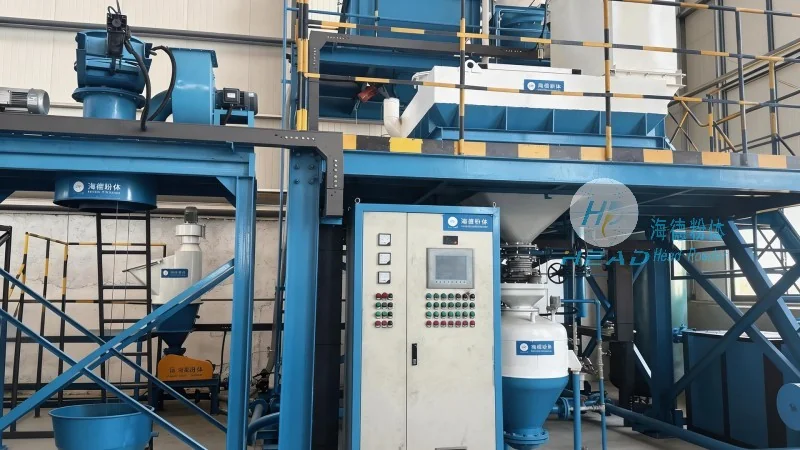
Pneumatic conveying, or air-based material transport, utilizes compressed air to move bulk materials through a pipeline system. This technology is particularly effective for handling delicate and abrasive powders, including silicone powder, which requires gentle handling to maintain product quality and prevent degradation. The system typically consists of a blower, a hopper for material storage, a pipeline network, and a discharge point, all working in tandem to ensure seamless material flow.
How Pneumatic Conveying Works for Silicone Powder
The operation of a pneumatic conveying system for silicone powder involves several key steps. First, the silicone powder is fed into the hopper from a storage silo or bag. The blower then generates a high-pressure air stream, which draws the powder into the pipeline. As the air and powder mixture travels through the system, the velocity and pressure are carefully controlled to prevent particle segregation and ensure uniform flow. The system may use different conveying modes, such as dilute-phase or dense-phase, depending on the material characteristics and process requirements. For silicone powder, a dilute-phase system is often preferred due to its ability to handle fine particles without excessive pressure drops.
Key Components of the Pneumatic Conveying Equipment
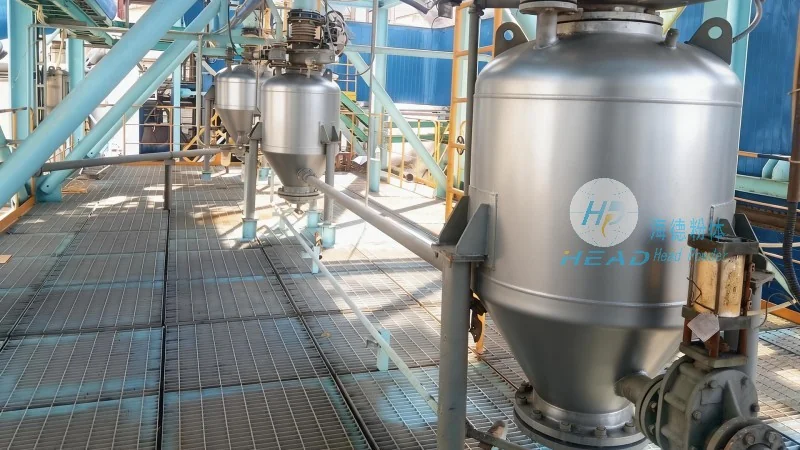
The effectiveness of a pneumatic conveying system for silicone powder depends on the quality and design of its components. The blower is a critical component, responsible for generating the necessary air pressure and flow rate. It must be capable of handling the specific air volume and pressure required for the powder's characteristics. The hopper and feed system are designed to minimize material bridging and ensure consistent feeding, which is essential for stable operation. The pipeline network, including bends, valves, and filters, must be constructed from materials resistant to silicone powder's chemical properties to prevent corrosion or contamination. Additionally, the system may include a dust collector or filter to capture any airborne particles and maintain a clean working environment.
Advantages of Using Pneumatic Conveying for Silicone Powder
Implementing a pneumatic conveying system for silicone powder offers several significant advantages. Firstly, it eliminates the need for mechanical components like conveyor belts or buckets, reducing maintenance costs and minimizing the risk of product contamination. The enclosed system also enhances safety by preventing dust exposure and reducing the risk of fire or explosion, which is particularly important for combustible or fine powders. Furthermore, pneumatic conveying allows for precise control over material flow rates and pressure, enabling better process integration and quality control. This technology also contributes to energy efficiency by optimizing air usage and reducing energy consumption compared to traditional methods. The ability to transport silicone powder over long distances without the need for intermediate storage or handling points further enhances operational efficiency.
Application Scenarios in the Silicone Industry
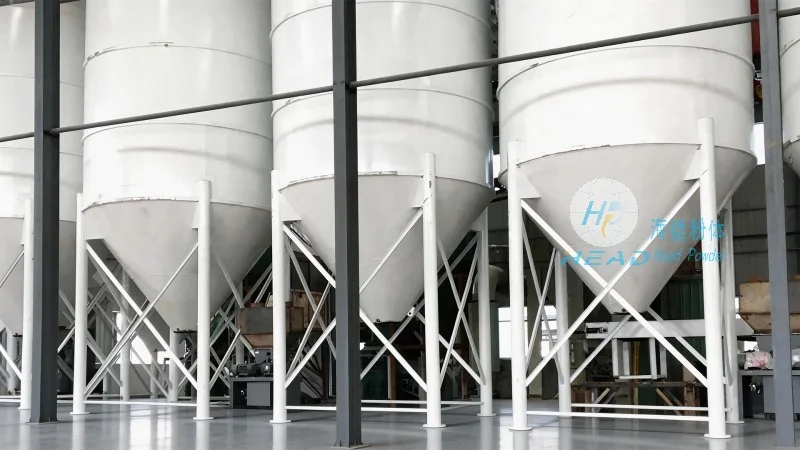
Pneumatic conveying equipment is widely used in various stages of the silicone powder production and processing chain. In raw material handling, the system efficiently transports silicone powder from storage silos to processing lines, ensuring a continuous supply of material. During the manufacturing process, it can be used to move powder between different processing units, such as from a mixing station to a drying or granulation unit. In quality control and packaging, the system helps in transferring finished silicone powder to packaging lines or quality testing stations. The versatility of pneumatic conveying makes it suitable for both batch and continuous production processes, adapting to the varying demands of the silicone industry.
Customization and Integration with Existing Systems
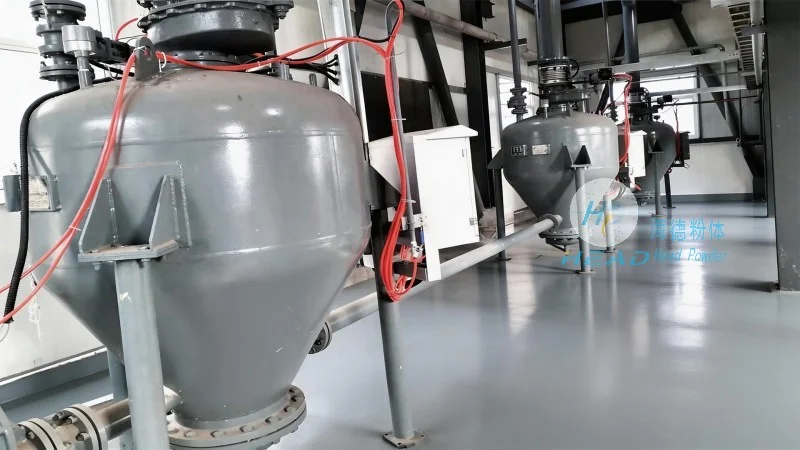
Shandong HeadPowder Engineering Co., Ltd. specializes in designing and manufacturing customized pneumatic conveying systems tailored to the specific needs of silicone powder applications. The company, known as headpowder, understands that each production facility has unique requirements, including material properties, processing capacity, and operational constraints. By working closely with clients, headpowder engineers can develop solutions that integrate seamlessly with existing infrastructure, minimizing downtime and ensuring smooth transition to the new system. Customization may involve adjusting the blower capacity, modifying the pipeline layout, or incorporating advanced control systems to optimize performance. The company's expertise in material handling technology ensures that the final system meets not only the technical specifications but also the operational and safety standards required for handling silicone powder.
Conclusion and Future Outlook
Pneumatic conveying equipment represents a sophisticated and efficient solution for the transportation of silicone powder, addressing the challenges of handling fine, delicate materials in industrial settings. With its ability to maintain product quality, enhance safety, and improve operational efficiency, this technology continues to be a preferred choice in the silicone industry. As production demands evolve and new materials are developed, the demand for advanced pneumatic conveying systems will likely increase, driving further innovation in design and technology. Companies like Shandong HeadPowder Engineering Co., Ltd. play a vital role in meeting these demands by providing customized, reliable solutions that support the growth and success of the silicone industry.