

Principle of Cement Dry Powder Pneumatic Conveying Equipment
Understanding the operational principles of cement dry powder pneumatic conveying equipment is crucial for optimizing material handling processes in industrial applications. This equipment utilizes air as the primary medium to transport dry powders like cement efficiently and reliably. The core mechanism involves creating a pressure differential between the conveying line and the ambient environment, enabling the powder to be suspended and moved through the system.
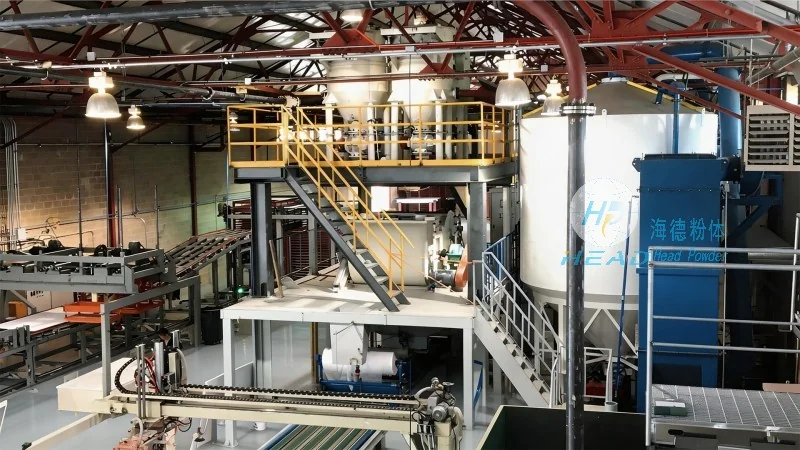
Key Components and Working Mechanism
The cement dry powder pneumatic conveying system typically consists of several critical components, each playing a vital role in the overall operation. The main elements include a material hopper for storing the cement, a feeder to control the flow rate, a conveying line (often equipped with pressure vessels or ducts), a blower or air compressor to generate the necessary airflow, and a receiver or discharge hopper for collecting the material at the destination. The working principle revolves around the use of compressed air to create a vacuum or pressure difference that lifts and transports the dry powder particles. As air is introduced into the conveying line, it creates a low-pressure zone that draws the cement powder from the hopper into the system. The powder particles are then suspended in the air stream and carried through the ductwork to the receiving end. This process is highly efficient for long-distance and high-volume material transport, minimizing the need for mechanical components like belts or buckets.
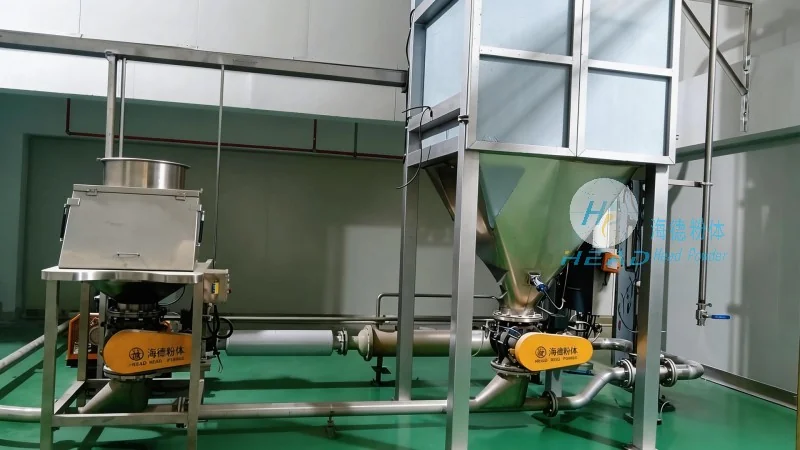
Advantages of Pneumatic Conveying for Cement
Compared to traditional mechanical conveying methods, pneumatic systems offer several advantages when handling cement and other fine dry powders. One of the most significant benefits is the ability to transport materials in a closed system, which reduces dust emissions and improves workplace safety. This is particularly important in cement production and processing facilities where dust control is a regulatory and operational priority. Additionally, pneumatic conveying allows for flexible and modular system designs, enabling easy integration with existing production lines or expansion of the conveying capacity as needed. The technology also minimizes product degradation, as the dry powder is not subjected to friction or impact that could affect its quality or performance. Another key advantage is the reduced maintenance requirements compared to mechanical systems, as there are fewer moving parts that can wear out or require regular servicing.
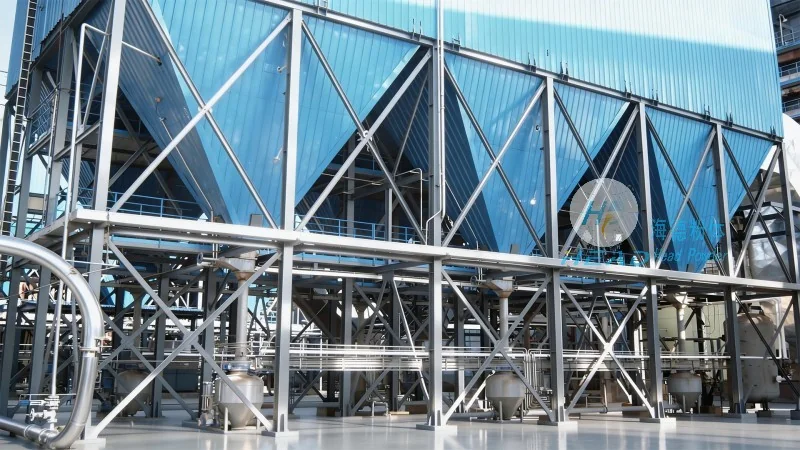
Company Overview: Shandong HeadPowder Engineering Co., Ltd.
HeadPowder, the manufacturer of cement dry powder pneumatic conveying equipment, is a leading provider of engineering solutions for material handling in the cement industry. With its headquarters located in Shandong, China, the company specializes in designing, manufacturing, and supplying high-quality pneumatic conveying systems tailored to the specific needs of cement producers and processors. The company's expertise lies in developing customized solutions that optimize material flow, enhance operational efficiency, and ensure compliance with industry standards and environmental regulations. HeadPowder's products are known for their durability, reliability, and energy efficiency, making them a preferred choice for businesses seeking to improve their material handling processes while reducing operational costs.
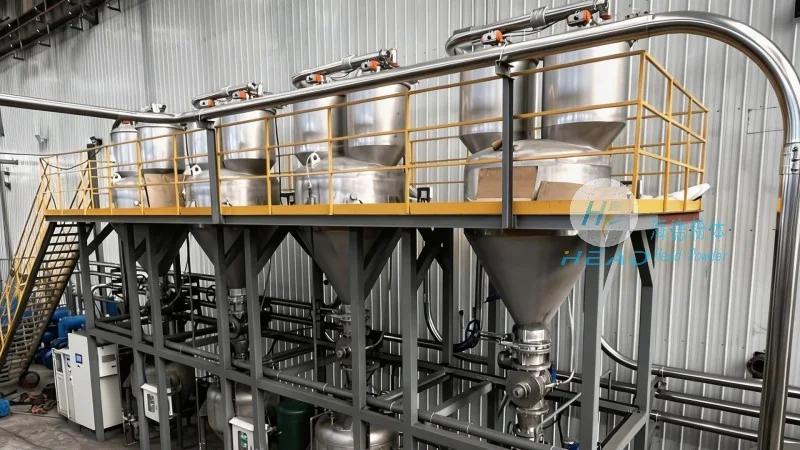
Technical Specifications and Application Scope
The cement dry powder pneumatic conveying equipment from HeadPowder is engineered to handle a wide range of cement types and particle sizes, from fine powders to coarser aggregates. The systems are available in various configurations, including positive pressure, negative pressure, and mixed pressure designs, allowing for flexibility in different operational scenarios. The equipment is designed to handle high volumes of material, with some models capable of transporting up to several hundred tons per hour, making them suitable for large-scale cement production facilities. The conveying lines are typically made of corrosion-resistant materials such as stainless steel or special coatings to withstand the abrasive nature of cement particles and prevent system blockages. The control systems are equipped with advanced features like flow rate monitoring, pressure sensors, and automatic shut-off mechanisms to ensure safe and efficient operation. These systems are widely used in applications such as raw material transport from storage silos to production lines, finished product conveying from the grinding plant to storage silos, and interplant material transfer between different production facilities.