

Principle of Calcium Hydroxide Pneumatic Conveying Equipment
Calcium hydroxide, commonly known as slaked lime, is a widely used chemical in various industrial applications. The efficient and safe transportation of this material is crucial for industrial processes, and pneumatic conveying systems have emerged as a reliable solution. This article delves into the fundamental principles behind the operation of calcium hydroxide pneumatic conveying equipment, highlighting key components, working mechanisms, and the importance of proper design for optimal performance.
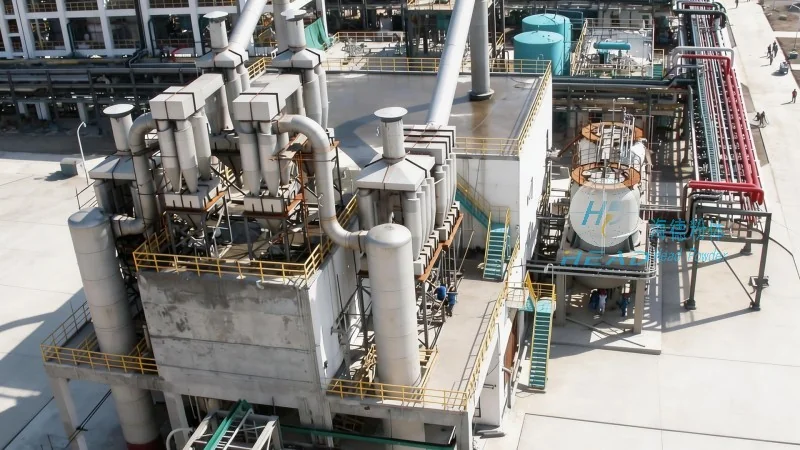
About Shandong HeadPowder Engineering Co., Ltd.
HeadPowder, the company behind this advanced equipment, is a leading manufacturer specializing in engineering solutions for material handling. With a strong focus on innovation and quality, HeadPowder has established itself as a trusted name in the industry. The company’s expertise lies in designing and manufacturing pneumatic conveying systems tailored to the specific needs of clients, ensuring durability, efficiency, and compliance with industry standards.
Key Components of Pneumatic Conveying Systems
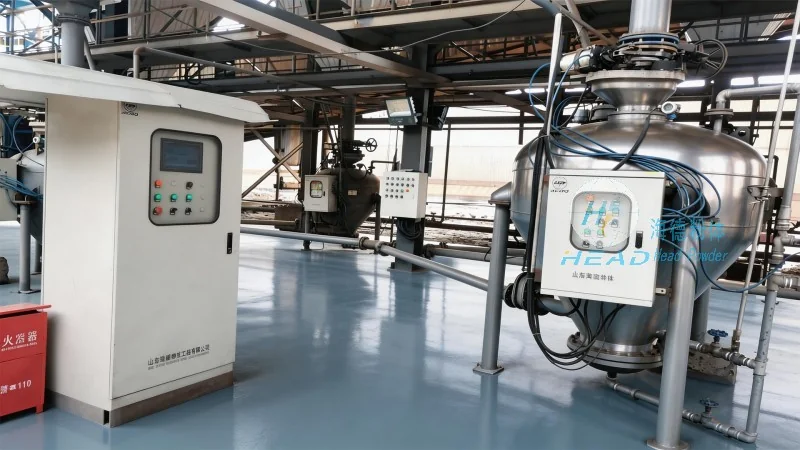
The calcium hydroxide pneumatic conveying equipment typically consists of several critical components that work in tandem to facilitate material transport. These include the hopper or feed bin, where the material is stored and fed into the system; the air compressor or blower, which generates the necessary airflow; the pipeline network that transports the material and air; and the control system that regulates the operation. Each component plays a vital role in maintaining the system’s efficiency and preventing issues such as blockages or material degradation.
Working Principle of Pneumatic Conveying
The core principle of pneumatic conveying for calcium hydroxide involves the use of air to move the material through a pipeline. The process begins with the material being fed from the hopper into the pipeline. Simultaneously, the air compressor provides a high-pressure airflow that propels the material forward. The interaction between the material particles and the air flow creates a mixture that travels through the pipeline to the destination point, such as a storage silo or processing unit. This method eliminates the need for mechanical components like belts or buckets, reducing maintenance requirements and enhancing safety.
Advantages of Pneumatic Conveying for Calcium Hydroxide
Compared to traditional methods like belt conveyors or bucket elevators, pneumatic conveying offers several advantages for calcium hydroxide handling. These include reduced dust generation, as the material is enclosed within the pipeline, minimizing exposure to the environment and personnel. Additionally, the system allows for flexible routing, enabling the material to be transported to multiple destinations without the need for complex reconfiguration. The enclosed design also helps in maintaining the material’s quality by preventing contamination from external sources. Furthermore, pneumatic conveying systems are generally more energy-efficient and can handle a wide range of material sizes and densities, making them suitable for various industrial applications.
Design Considerations for Optimal Performance
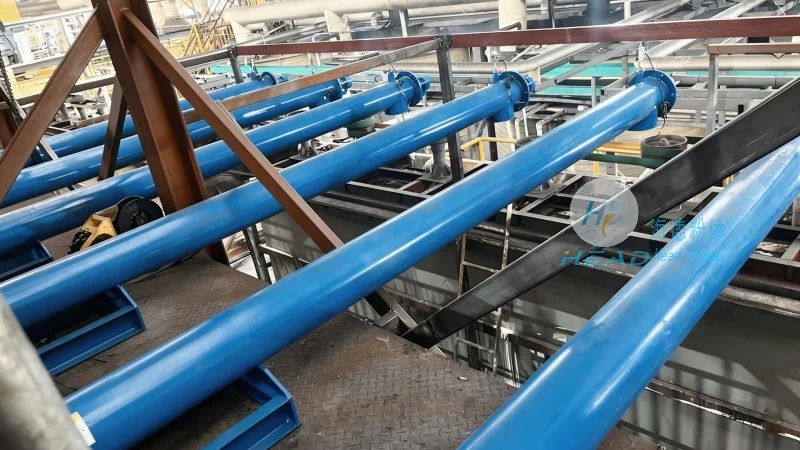
Proper design of the calcium hydroxide pneumatic conveying equipment is essential to ensure reliable operation and maximize efficiency. Key design considerations include the selection of appropriate air velocity, which must be sufficient to move the material without causing excessive wear on the pipeline or components. The system’s layout, including the length and diameter of the pipeline, also plays a critical role in maintaining consistent airflow and preventing pressure drops. Additionally, the use of appropriate materials for the pipeline and components, such as corrosion-resistant metals or high-quality plastics, is crucial to withstand the chemical properties of calcium hydroxide and ensure long-term durability. Regular maintenance and monitoring of the system’s performance are also essential to identify and address any issues promptly, ensuring continuous operation.
Applications in Industrial Settings
The calcium hydroxide pneumatic conveying equipment is widely used in various industrial sectors, including construction, agriculture, and chemical processing. In the construction industry, it is commonly used for transporting lime for mortar and concrete production. In agriculture, it serves as a source of calcium for soil amendment and animal feed. The chemical industry also utilizes it in the production of other chemicals and as a neutralizing agent. The versatility of the system allows it to be adapted to different applications, making it a valuable asset for industrial operations.
Conclusion
In conclusion, the calcium hydroxide pneumatic conveying equipment operates on a well-defined principle that leverages air to transport the material efficiently and safely. With the expertise of companies like Shandong HeadPowder Engineering Co., Ltd., these systems are designed to meet the specific requirements of industrial applications, offering advantages such as reduced dust, flexible routing, and enhanced durability. By understanding the key components and design considerations, industries can leverage this technology to improve their material handling processes and achieve optimal performance.