

Principle of Foam Plastic Pneumatic Conveying Equipment
HeadPowder, a leading enterprise in the field of pneumatic conveying technology, specializes in the design, manufacturing, and supply of advanced foam plastic pneumatic conveying equipment. With a focus on innovation and precision engineering, the company has established itself as a trusted partner for industries requiring efficient and reliable material handling solutions.
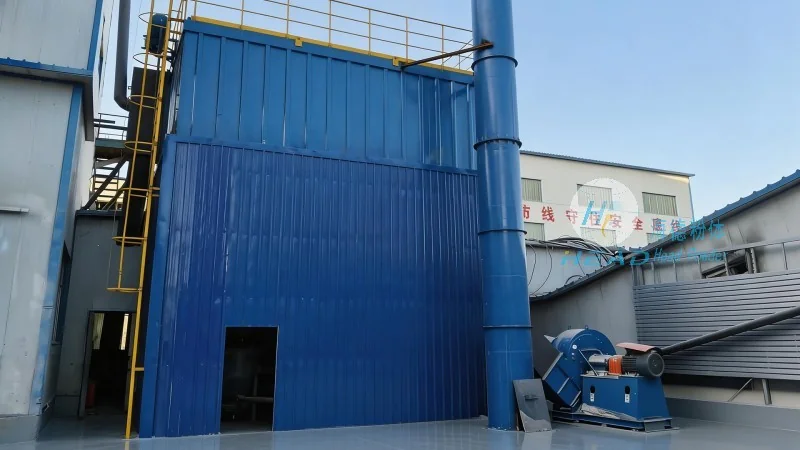
Company Overview
Shandong HeadPowder Engineering Co., Ltd., operating under the brand name HeadPowder, is headquartered in Shandong, China. The company leverages decades of experience in engineering and material handling to develop cutting-edge pneumatic conveying systems tailored to the unique needs of various industrial sectors. HeadPowder's commitment to quality and customer satisfaction drives its mission to provide sustainable and efficient solutions for material transport challenges.
Understanding Pneumatic Conveying for Foam Plastics
Pneumatic conveying, a method of transporting bulk materials through a pipeline using air or gas, offers significant advantages for handling foam plastics. This technology eliminates the need for mechanical components like belts or buckets, reducing maintenance costs and operational downtime. The principle involves creating a pressure differential within the system, where air is introduced to move the lightweight foam particles through the pipeline. The process is efficient, clean, and suitable for materials that are sensitive to mechanical stress or contamination.
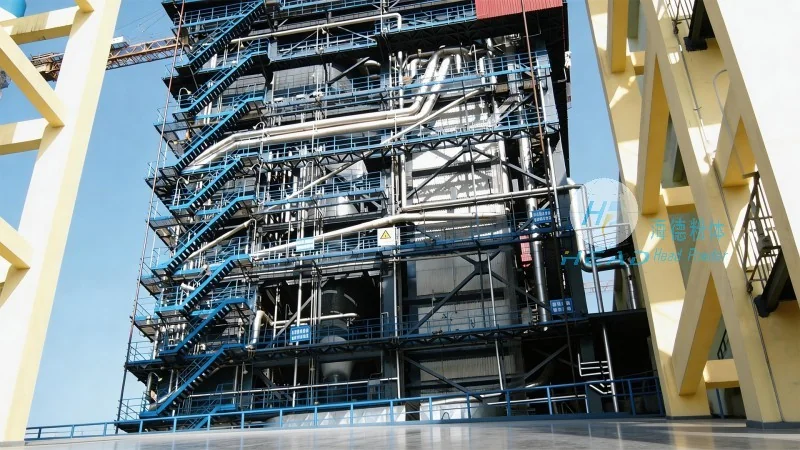
Key Components and Working Principle
The foam plastic pneumatic conveying equipment typically consists of several core components, each playing a critical role in the overall operation. The system begins with a material hopper or feeder, which stores and feeds the foam plastic into the conveying line. A blower or air compressor generates the necessary airflow, creating the pressure differential. The conveying line, often made of durable materials such as stainless steel or high-density polyethylene, ensures the material is transported smoothly without degradation. At the discharge end, a receiver or silo collects the material, and a filter or separator may be included to remove any air or dust particles, maintaining the purity of the conveyed product.
Advantages of Foam Plastic Pneumatic Conveying
Implementing foam plastic pneumatic conveying systems brings numerous benefits to industrial operations. Firstly, the technology offers high efficiency in material transport, with the ability to handle large volumes of lightweight materials quickly and reliably. The absence of mechanical parts reduces wear and tear, leading to lower maintenance expenses and longer equipment lifespan. Additionally, the system is highly flexible, allowing for easy integration into existing production lines and adaptability to different material types and processing requirements. The clean and dust-free operation minimizes environmental impact and ensures compliance with industrial hygiene standards, making it suitable for applications where product purity is paramount.
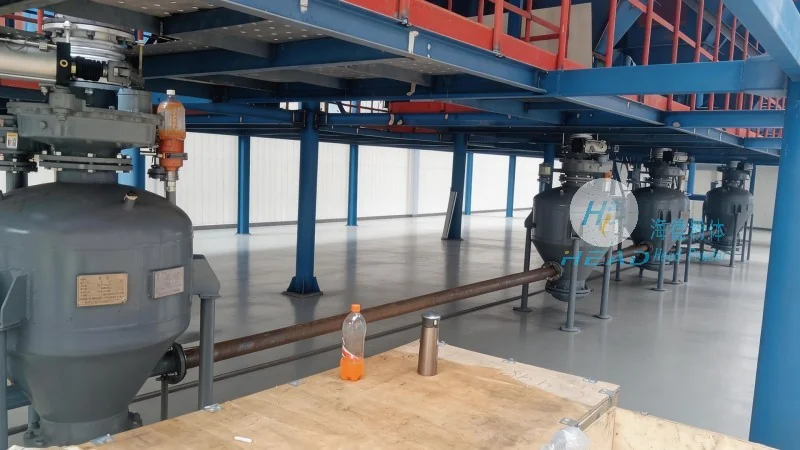
Applications and Industry Use Cases
HeadPowder's foam plastic pneumatic conveying equipment is widely used across various industries, including manufacturing, packaging, and recycling. In the manufacturing sector, the equipment efficiently transports foam plastic pellets or sheets from storage to processing machinery, ensuring a continuous and uninterrupted production flow. The packaging industry benefits from the system's ability to handle lightweight packaging materials, reducing the risk of damage during transport and improving overall operational efficiency. In recycling operations, the pneumatic conveying system facilitates the movement of recycled foam plastics from collection points to processing facilities, supporting sustainable waste management practices.
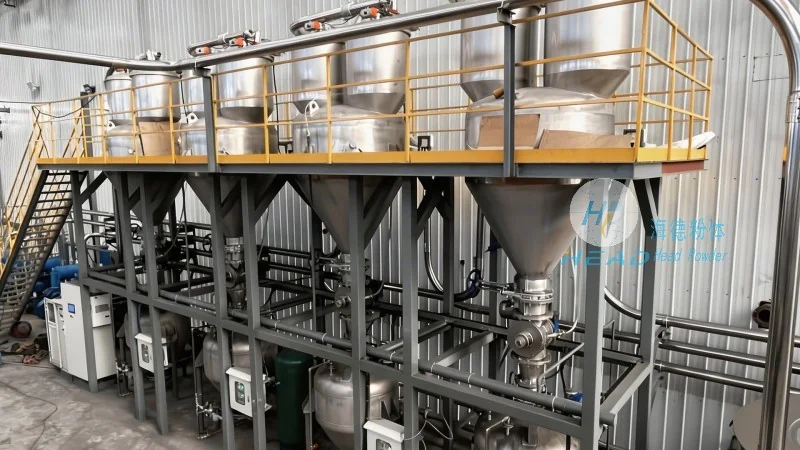
Technical Specifications and Customization
HeadPowder provides customized foam plastic pneumatic conveying solutions tailored to specific operational needs. The company offers a range of system configurations, including pressure and vacuum conveying options, to accommodate different material characteristics and transport distances. Technical specifications such as airflow rates, pressure levels, and pipeline diameters are carefully designed to optimize performance and energy efficiency. The equipment is engineered to handle various foam plastic types, including expanded polystyrene (EPS), polyethylene foam, and other lightweight polymers, ensuring compatibility with diverse industrial applications. Customization options include adjustable feeding mechanisms, variable speed blowers, and advanced control systems to enhance operational flexibility and adaptability.
Quality Assurance and Service
Shandong HeadPowder Engineering Co., Ltd. adheres to stringent quality control measures throughout the manufacturing process. Each component of the foam plastic pneumatic conveying equipment undergoes rigorous testing to ensure compliance with industry standards and customer requirements. The company provides comprehensive after-sales support, including installation assistance, maintenance services, and technical consultations. HeadPowder's team of experienced engineers and technicians offers on-site support and remote troubleshooting to address any operational challenges, ensuring the longevity and optimal performance of the equipment. The commitment to quality and customer service has earned HeadPowder a reputation for reliability and excellence in the pneumatic conveying industry.