

What is a flour material pneumatic conveying system? What are its design principles?
Flour material pneumatic conveying systems are specialized industrial solutions designed to transport dry powders like flour efficiently and safely. These systems utilize air or gas as the medium to move bulk materials through a pipeline network, offering advantages over traditional mechanical conveying methods such as reduced maintenance, lower risk of contamination, and improved process control. Understanding the core components and design principles of such systems is crucial for industries relying on consistent and reliable flour handling.
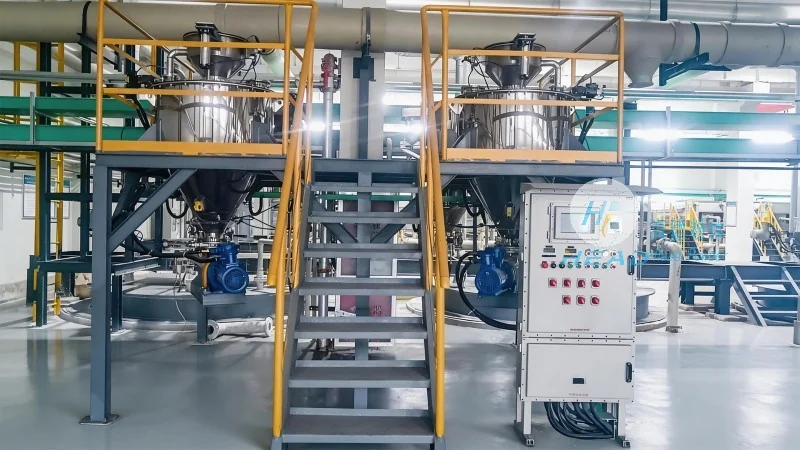
Key Components of Flour Material Pneumatic Conveying Systems
A typical flour pneumatic conveying system consists of several essential components that work in tandem to ensure smooth material transport. The primary elements include a material feeder, which accurately meters the flour into the system; a conveying line, often made of stainless steel or other corrosion-resistant materials to maintain hygiene standards; a pressure vessel or receiver, where the flour is temporarily stored before further processing; and a control system that regulates air pressure, flow rates, and other operational parameters. Additionally, some systems may incorporate filters and cyclones to separate flour from air, ensuring that the material remains intact and free from dust or debris.
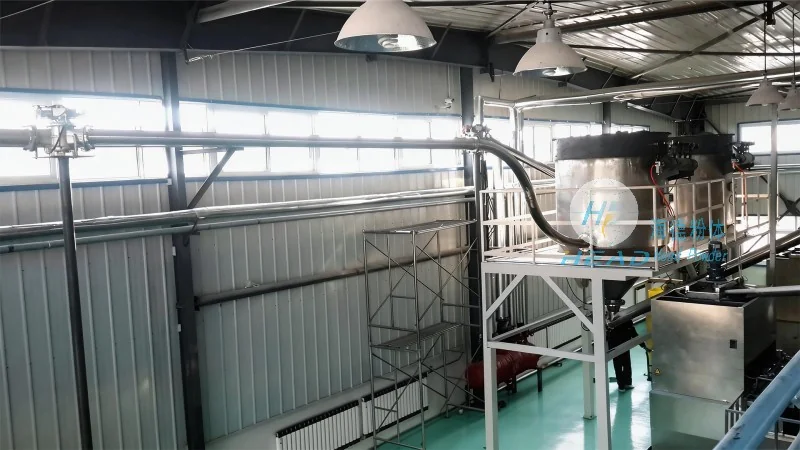
Design Principles for Efficient Flour Conveying
The design of a flour pneumatic conveying system is guided by several key principles aimed at optimizing performance, energy efficiency, and material integrity. One of the most critical principles is maintaining consistent air velocity within the conveying line. This ensures that the flour particles are fully suspended and transported without settling or clogging the pipeline. The system's design must also account for the specific properties of flour, such as its density, moisture content, and flowability, as these factors influence the required air pressure and flow rate. Furthermore, the system should be designed to minimize pressure drops and energy consumption, which are vital for cost-effective operation. Proper sealing and material compatibility are also essential to prevent contamination and ensure the longevity of the equipment.
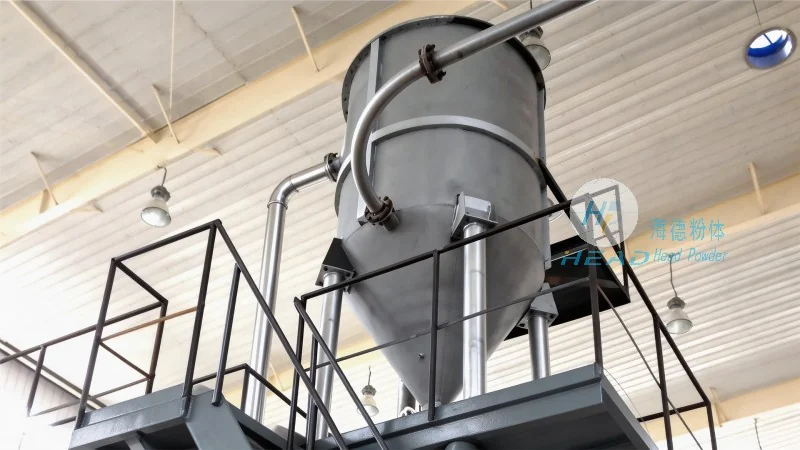
Applications and Benefits in the Flour Industry
Flour material pneumatic conveying systems find widespread application in various stages of flour processing, from raw material handling to packaging. They are commonly used in flour mills, bakeries, and food processing facilities to transport flour from storage silos to mixing or packaging areas. The benefits of these systems extend beyond mere material transport; they enhance operational efficiency by reducing downtime, improving product quality by minimizing exposure to contaminants, and providing greater flexibility in process layout. For example, pneumatic conveying allows for the integration of multiple processing lines without the need for complex mechanical linkages, making it an ideal solution for modern flour production facilities.
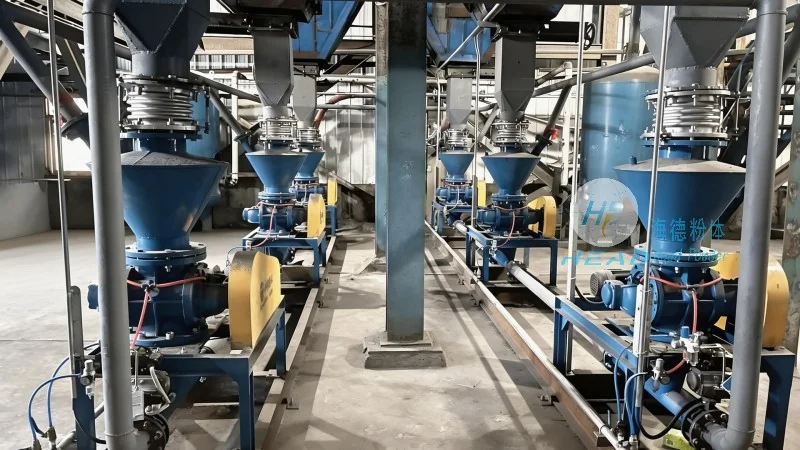
Company Overview: Shandong HeadPowder Engineering Co., Ltd.
Shandong HeadPowder Engineering Co., Ltd., a leading manufacturer in the field of pneumatic conveying systems, specializes in providing customized solutions tailored to the unique needs of the flour industry. With a strong commitment to quality and innovation, the company has developed advanced technologies that address the specific challenges of flour handling, such as dust control and material preservation. HeadPowder's products are designed to meet international standards for hygiene and safety, ensuring compliance with industry regulations. The company's team of experienced engineers and technicians works closely with clients to understand their operational requirements and deliver systems that enhance productivity and reduce costs. Based in Shandong, China, HeadPowder has established a reputation for reliability and customer satisfaction, serving clients both domestically and internationally.