

What is a Steel Grit Material Pneumatic Conveying System? And What Are Its Design Principles?
A steel grit material pneumatic conveying system is a specialized industrial equipment designed to transport steel grit, a type of abrasive material used in surface treatment processes, through a pipeline using air or other gas as the conveying medium. This system is crucial in various industrial applications where efficient and reliable material handling is essential, such as in metal finishing, sandblasting, and other surface preparation operations. The core of this system lies in its ability to move steel grit from a storage or processing point to the point of use without the need for mechanical components like belts or buckets, relying instead on the force of compressed air to propel the material through the system.
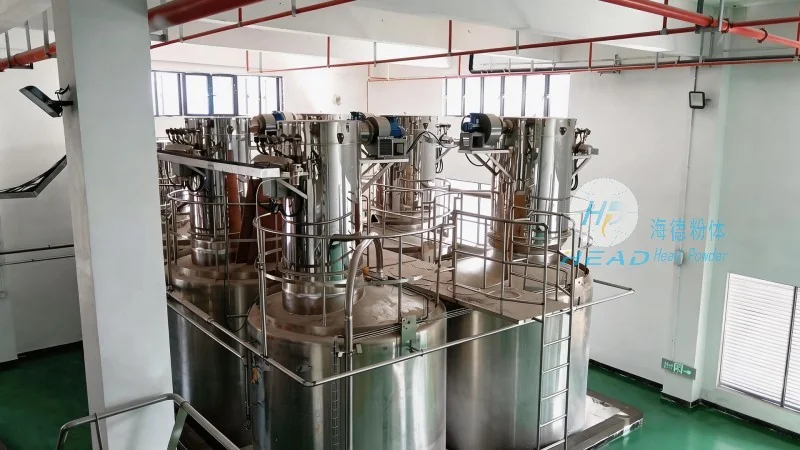
Design Principles of Pneumatic Conveying Systems for Steel Grit
The design of a steel grit pneumatic conveying system is based on several fundamental principles that ensure efficient and safe operation. The primary principle is the use of differential pressure to move the material. The system typically consists of a hopper or feeder where the steel grit is loaded, a compressor that generates the necessary air pressure, and a pipeline network that transports the material. The key components include the feeder, which controls the flow rate of the steel grit into the system, the air compressor, which provides the driving force, and the pipeline, which conveys the material. The design must consider factors such as the particle size and density of the steel grit, as these affect the air velocity required for effective conveying. For steel grit, which is typically small and dense, higher air velocities are often needed to overcome the gravitational and frictional forces that would otherwise cause the material to settle. The system also includes control valves and filters to regulate the air flow and prevent contamination, ensuring that the conveying process is smooth and consistent.
Key Components and Their Functions
Each component of a steel grit pneumatic conveying system plays a critical role in its overall performance. The feeder is responsible for feeding the steel grit into the system at a controlled rate, preventing overloading and ensuring a steady flow. The most common types of feeders for this application are rotary valves or screw conveyors, which can handle the abrasive nature of steel grit without causing excessive wear. The air compressor is the heart of the system, providing the necessary pressure to move the material. It can be a positive displacement compressor or a centrifugal compressor, depending on the system's requirements. The pipeline network is designed to minimize pressure loss and ensure that the air and material mixture travels efficiently. The use of smooth, corrosion-resistant materials like stainless steel is essential to prevent wear and maintain the system's integrity over time. Additionally, the system includes filters and cyclones to separate the steel grit from the air, allowing the air to be recycled or discharged safely. This not only improves the efficiency of the system but also reduces the environmental impact by preventing dust emissions.
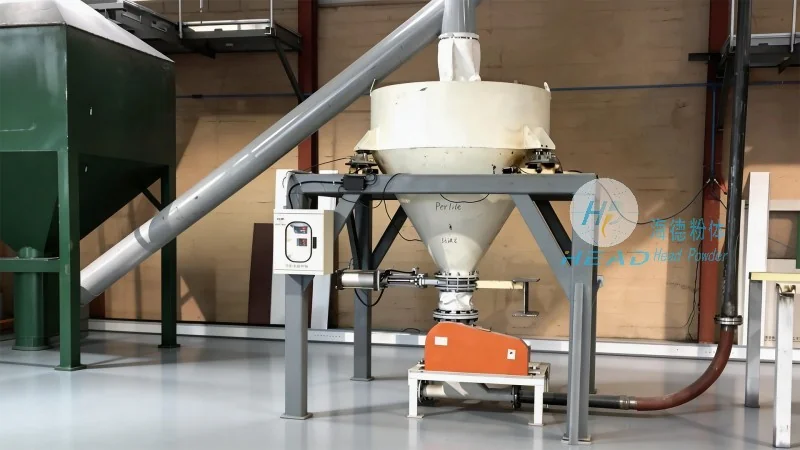
Design Considerations for Optimal Performance
Designing an effective steel grit pneumatic conveying system requires careful consideration of several factors to ensure that it meets the specific needs of the application. One of the most important considerations is the material's properties, such as its size, density, and moisture content. Steel grit is typically a fine, abrasive material, which means that the system must be designed to handle these characteristics without causing excessive wear or blockages. The air velocity must be optimized to ensure that the material is conveyed without excessive pressure drop or particle degradation. Another critical factor is the system's layout and the distance the material needs to travel. Longer distances or higher elevations may require additional components, such as booster fans or pressure vessels, to maintain the necessary pressure. The system's control system is also important, as it must be able to regulate the flow rate and pressure to prevent overloading or underloading. The use of sensors and monitoring equipment can help to detect any issues in real-time, allowing for quick adjustments and preventing downtime. Finally, the system's safety features must be considered, as steel grit is an abrasive material that can cause injury if not handled properly. Proper ventilation and dust collection systems are essential to ensure the safety of the operators and the environment.
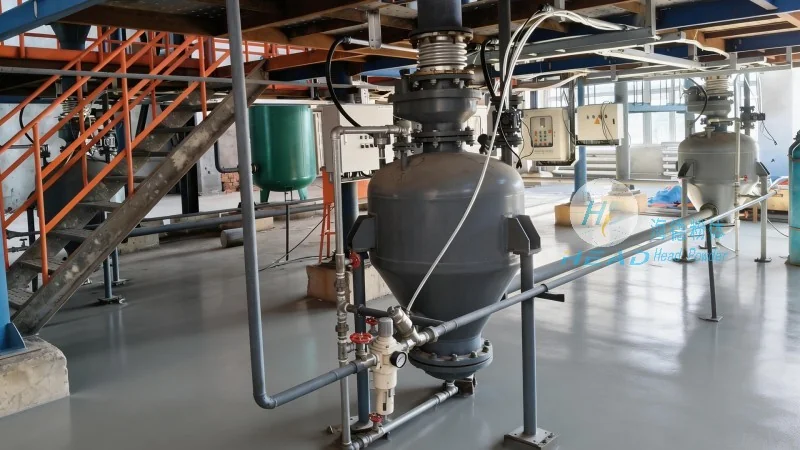
Applications of Steel Grit Pneumatic Conveying Systems
Steel grit pneumatic conveying systems are widely used in various industrial applications where surface treatment is required. One of the most common applications is in metal finishing, where steel grit is used for sandblasting to remove rust, scale, or other contaminants from metal surfaces. The system can transport the steel grit from a storage bin to the sandblasting cabinet, ensuring a consistent and efficient process. Another application is in the automotive industry, where steel grit is used to prepare metal parts for painting or coating. The system can also be used in the aerospace industry, where high-quality surface preparation is essential for aircraft components. Additionally, the system is used in the construction industry for surface preparation of concrete or metal structures. The versatility of the steel grit pneumatic conveying system makes it suitable for a wide range of applications, from small-scale operations to large industrial plants.
About Shandong HeadPowder Engineering Co., Ltd.
Shandong HeadPowder Engineering Co., Ltd., commonly known as HeadPowder, is a leading manufacturer and supplier of industrial conveying systems, including steel grit material pneumatic conveying systems. With years of experience in the industry, HeadPowder has developed a reputation for providing high-quality, reliable, and efficient systems that meet the needs of its customers. The company's products are designed to handle the most challenging materials, including abrasive and corrosive substances, and are built to last with durable components and robust construction. HeadPowder's team of engineers and technicians are experts in the field and are committed to providing the best possible solutions for its customers. The company's headquarters is located in Shandong, China, and it serves customers worldwide with its innovative and reliable products. HeadPowder is dedicated to providing the best possible service and support to its customers, ensuring that they have the right equipment for their specific needs.