

What is a Coating Material Pneumatic Conveying System? And What Are Its Design Principles?
For industries dealing with the handling of coating materials, the selection and implementation of an efficient material conveying system are critical to operational efficiency and product quality. A pneumatic conveying system, specifically designed for coating materials, offers a solution that combines the benefits of material transport with minimal contamination and energy efficiency. This article explores the fundamental aspects of such systems, including their design principles and the key considerations for their successful application.
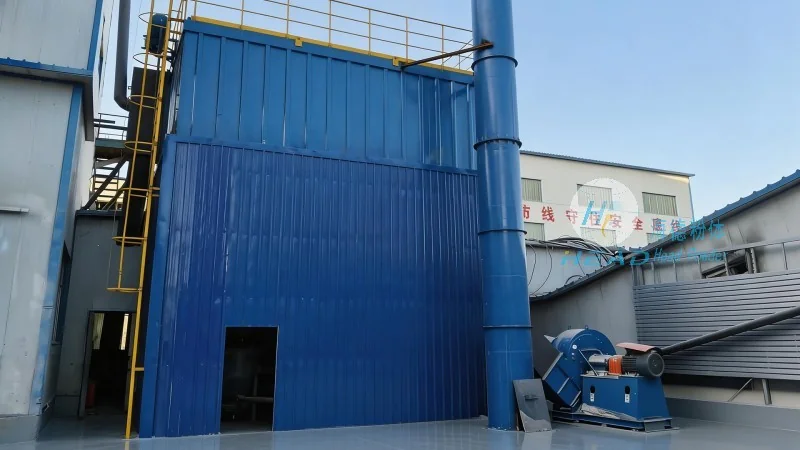
Pneumatic Conveying Systems: An Overview
Pneumatic conveying systems utilize air or other gases to transport bulk materials, such as powders and granules, through a pipeline network. In the context of coating materials, these systems are engineered to handle fine powders, pigments, and other components that are essential for coating formulations. The primary advantage of pneumatic conveying is its ability to transport materials in a closed system, which helps prevent dust contamination and ensures a clean, controlled environment for the coating process.
Key Design Principles of Coating Material Pneumatic Conveying Systems
The design of a coating material pneumatic conveying system involves several critical principles that ensure optimal performance and reliability. These principles include:
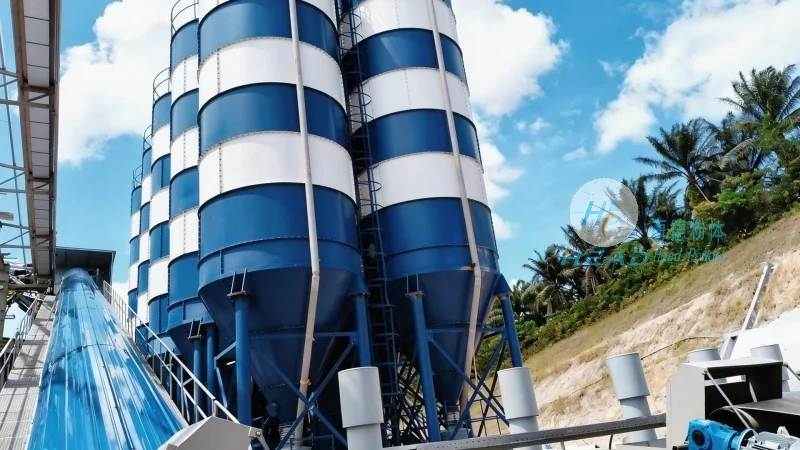
- System Sizing and Flow Rate Calculation: Proper sizing of the conveying line, including pipe diameter and length, is essential to maintain the required flow rate and pressure. This involves calculating the material's bulk density, particle size distribution, and the desired conveying velocity to ensure smooth material transport without excessive pressure drops.
- Material Compatibility: The system components, such as the hopper, feeder, and pipeline, must be compatible with the coating materials being transported. This includes considering factors like chemical resistance, temperature tolerance, and the potential for material degradation or agglomeration during transport.
- Pressure and Vacuum Conveying Options: Pneumatic conveying systems can operate under either positive pressure (blowing air into the system) or negative pressure (sucking air out of the system). The choice between these methods depends on the material's properties, the distance to be conveyed, and the system's energy efficiency requirements. For coating materials, both positive and negative pressure systems are commonly used, with positive pressure often preferred for handling fine powders to prevent clogging and ensure consistent flow.
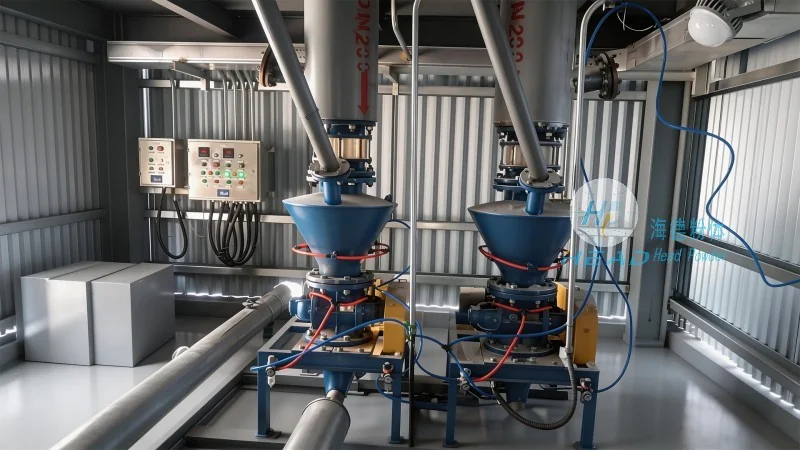
- Equipment Selection: The selection of key components, including the material feeder (e.g., rotary valve, star feeder), the conveying line (e.g., flexible hoses or rigid pipes), and the receiver (e.g., silo or storage tank), is crucial. Each component must be designed to handle the specific characteristics of the coating material, such as its flowability, moisture content, and particle size.
- Control and Monitoring: Modern pneumatic conveying systems incorporate advanced control systems to monitor and regulate the conveying process. This includes pressure sensors, flow meters, and control valves that allow for real-time adjustments to maintain optimal performance. Additionally, the system may include features like automatic cleaning or material flow monitoring to prevent blockages and ensure continuous operation.
Applications in Coating Manufacturing
Coating material pneumatic conveying systems are widely used in various stages of coating manufacturing, from raw material handling to the final product packaging. For example, in the production of paints and coatings, these systems are used to transport pigments, fillers, and other additives from storage silos to the mixing and processing equipment. This ensures a consistent and uniform blend of materials, which is critical for achieving the desired color, texture, and performance characteristics of the final coating product.
Benefits of Implementing a Pneumatic Conveying System
Adopting a well-designed pneumatic conveying system for coating materials offers several benefits to manufacturers. These include:
- Improved Material Handling Efficiency: Pneumatic systems enable the automated and continuous transport of materials, reducing labor costs and minimizing the risk of human error in material handling.
- Enhanced Product Quality: The closed system design prevents contamination from external sources, ensuring that the coating materials remain pure and free from dust or impurities that could affect the final product's quality.
- Energy Efficiency: Compared to traditional methods like bucket elevators or belt conveyors, pneumatic conveying systems can be more energy-efficient, especially for short to medium conveying distances.
- Space Savings: The compact design of pneumatic conveying systems allows for efficient use of factory space, making them suitable for facilities with limited floor area.
- Flexibility and Scalability: Pneumatic systems can be easily modified or expanded to accommodate changes in production volume or material types, providing long-term operational flexibility.
Conclusion
Understanding the design principles and benefits of a coating material pneumatic conveying system is essential for manufacturers seeking to optimize their material handling processes. By selecting a system that is tailored to the specific characteristics of their coating materials and adhering to the key design principles outlined above, companies can achieve improved efficiency, product quality, and operational flexibility. For those considering the implementation of such a system, consulting with industry experts and reputable suppliers, like Shandong HeadPowder Engineering Co., Ltd., based in China, can provide valuable guidance and support in selecting the most suitable solution for their needs.