

What is a Wheat Bran Material Pneumatic Conveying System? And What Are Its Design Principles?
Wheat bran, a byproduct of wheat milling, is widely used in the food and animal feed industries. Efficient and reliable material handling is crucial for processing wheat bran, and pneumatic conveying systems have emerged as a preferred solution for transporting this lightweight, fine-grained material. This article explores the concept of a wheat bran material pneumatic conveying system, detailing its design principles and operational advantages.
Understanding Pneumatic Conveying Technology
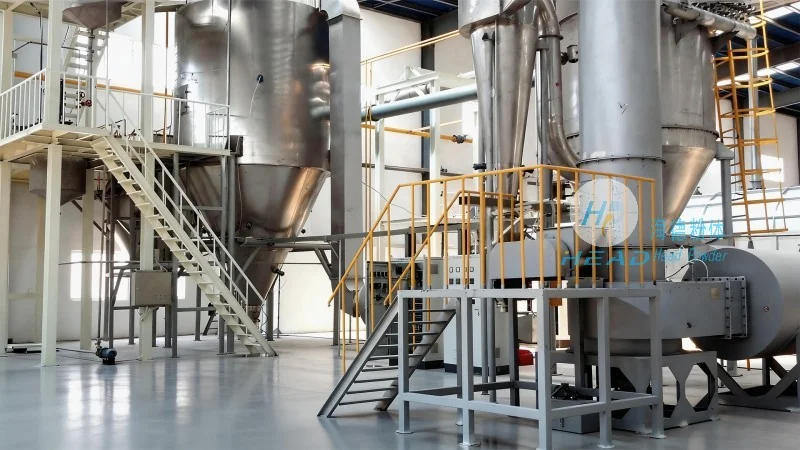
Pneumatic conveying systems utilize air or gas to transport bulk materials through a pipeline network. Unlike mechanical conveyors, which rely on mechanical components like belts or screws, pneumatic systems use pressure differentials to move materials. For wheat bran, which is typically light and dusty, pneumatic conveying offers several benefits, including minimal product degradation, low maintenance requirements, and the ability to handle materials over long distances without the need for multiple transfer points.
Key Design Principles for Wheat Bran Pneumatic Conveying
The design of a wheat bran pneumatic conveying system involves several critical considerations to ensure optimal performance and efficiency. These principles include:
1. **Material Characteristics**: Wheat bran has a low bulk density and can be prone to dusting. The system design must account for these characteristics, using appropriate air velocities and pipeline diameters to prevent material settling or blockages.
2. **Airflow Management**: Proper airflow is essential to maintain consistent material transport. The system must be designed to provide sufficient air pressure and volume to move wheat bran through the pipeline without causing excessive energy consumption or pressure drops.
3. **Pipeline Configuration**: The layout of the conveying pipeline is a key design factor. For wheat bran, which is fine and can create static electricity, the pipeline should be constructed from materials that minimize static buildup, such as conductive or anti-static materials. Additionally, the pipeline should be designed with smooth transitions and minimal bends to reduce friction and pressure losses.
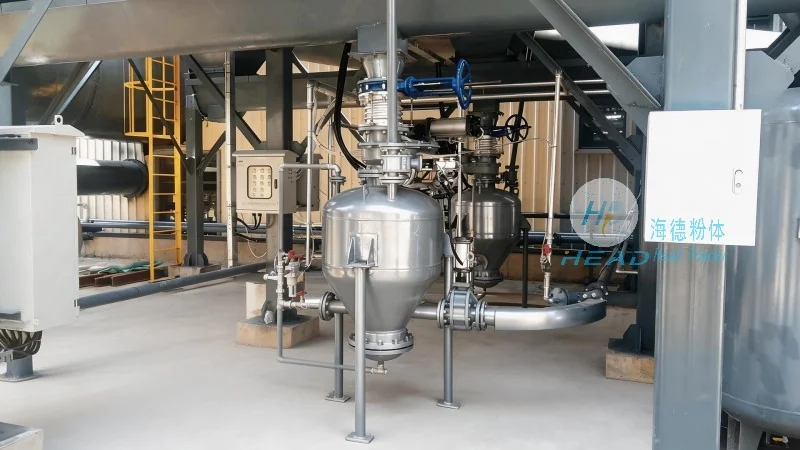
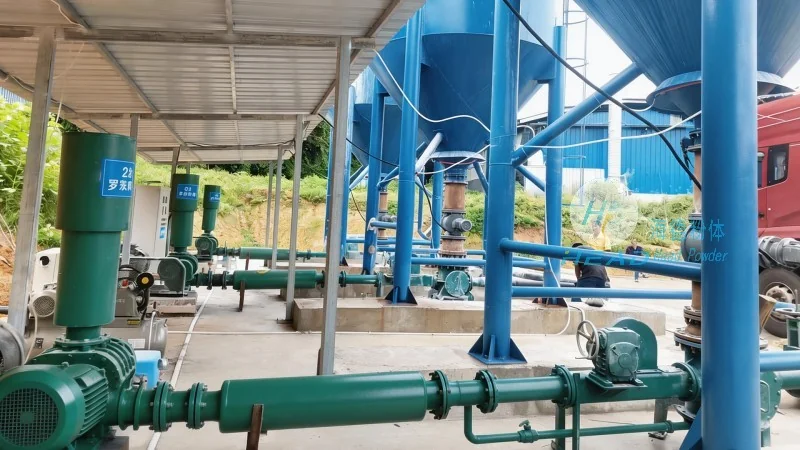
4. **Equipment Selection**: The choice of components, such as the air compressor, material feeders, and control valves, is critical. For wheat bran, a positive displacement blower or a rotary lobe pump is often preferred over a centrifugal fan due to their ability to handle fine materials and maintain consistent airflow. The material feeders should be designed to handle the low bulk density and fine particle size of wheat bran, preventing bridging or clogging.
Operational Advantages of Wheat Bran Pneumatic Conveying
Implementing a pneumatic conveying system for wheat bran offers several operational advantages that enhance overall processing efficiency. These include:
1. **Reduced Product Contamination**: Pneumatic systems minimize direct contact between the material and mechanical components, reducing the risk of contamination from equipment wear or foreign particles.
2. **Energy Efficiency**: Compared to traditional mechanical conveyors, pneumatic systems can be more energy-efficient, especially for long-distance transport, as they eliminate the need for multiple drive mechanisms.
3. **Space Efficiency**: Pneumatic conveying systems can be installed in compact spaces, as the pipeline can be routed vertically or horizontally with minimal footprint requirements.
4. **Flexibility**: The system can be easily reconfigured or expanded to accommodate changes in production volume or processing requirements, providing flexibility for growing businesses.
Applications in the Food and Feed Industries
Wheat bran pneumatic conveying systems are widely used in various applications within the food and animal feed industries. These include:
1. **Feed Manufacturing**: In animal feed production, wheat bran is often mixed with other ingredients to create balanced feed formulations. Pneumatic conveying allows for the efficient transport of wheat bran from storage silos to mixing and processing equipment.
2. **Food Processing**: In food processing facilities, wheat bran is used as an ingredient in baked goods, cereals, and other products. The system ensures that the material is delivered to production lines in a clean and consistent manner, maintaining product quality.
3. **Industrial Processing**: Beyond food and feed, wheat bran is also used in industrial applications, such as biofuel production or as a component in composite materials. Pneumatic conveying enables the transport of wheat bran to these industrial processes, supporting diverse manufacturing needs.
Conclusion and Company Overview
Wheat bran material pneumatic conveying systems represent a sophisticated and efficient solution for handling this important agricultural byproduct. By adhering to key design principles, such as proper airflow management, material compatibility, and equipment selection, these systems ensure reliable and cost-effective material transport. For businesses in the food, feed, and related industries, investing in a well-designed pneumatic conveying system can significantly improve operational efficiency and product quality.
Shandong HeadPowder Engineering Co., Ltd., a leading provider of material handling solutions, specializes in designing and manufacturing pneumatic conveying systems tailored to the unique needs of wheat bran and other fine materials. With years of experience and a commitment to quality, HeadPowder offers customized solutions that enhance productivity and ensure compliance with industry standards. Based in Shandong, China, HeadPowder serves clients globally, delivering reliable and efficient material handling systems that meet the demands of modern processing facilities.