

Working Principle and Characteristics of Fiber Material Pneumatic Conveying
HeadPowder, a leading provider in the field of material handling solutions, specializes in pneumatic conveying systems designed for handling fiber materials. This article aims to explain the working principle and key characteristics of fiber material pneumatic conveying, offering insights into how these systems operate and their advantages in industrial applications.
Understanding the Working Principle of Fiber Material Pneumatic Conveying
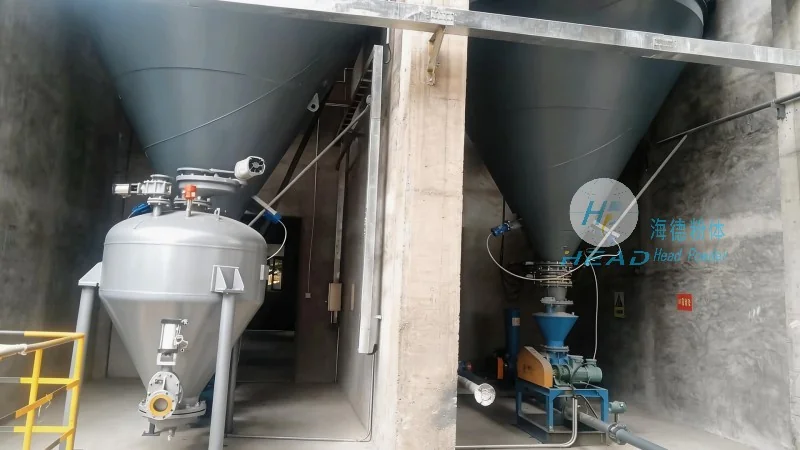
Fiber material pneumatic conveying systems utilize air as the primary medium to transport solid particles, including various types of fibers such as wood pulp, paper fibers, textile fibers, and other fibrous materials. The core mechanism involves creating a pressure differential between the conveying line and the ambient environment, which generates the necessary force to move the material through the system.
Typically, the process begins with the material being fed into a hopper or feeder, where it is then introduced into the conveying line. A fan or blower generates the airflow, which is directed through the pipeline. As the air flows, it entrains the fiber particles, forming a slurry or suspension that travels from the inlet to the discharge point. The system may include components like cyclones, filters, and separators to manage the material and air separation at the end of the conveying line.
Key Characteristics of Fiber Material Pneumatic Conveying Systems
There are several notable characteristics that define fiber material pneumatic conveying systems, making them suitable for specific industrial needs. These include:
1. Gentle Material Handling: Unlike mechanical systems that may cause abrasion or damage to delicate fibers, pneumatic conveying provides a low-impact method of transport. The air flow minimizes friction and impact, preserving the integrity of the fiber material, which is crucial for applications where material quality is paramount.
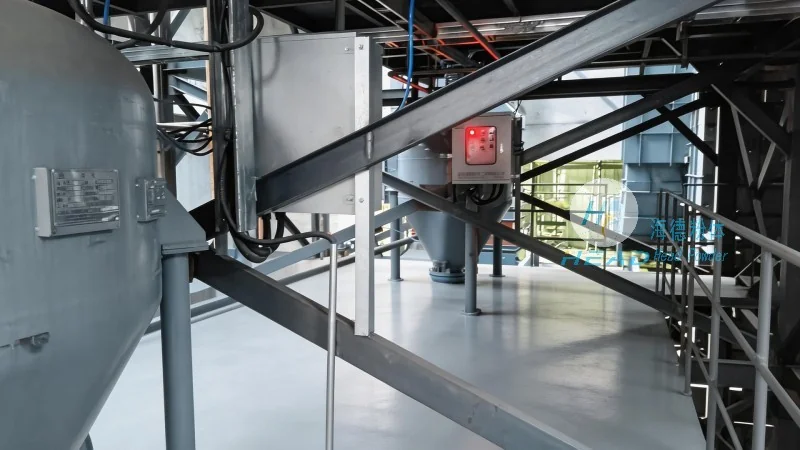
2. Versatility in Material Types: Fiber material pneumatic conveying can handle a wide range of fibrous materials, from fine paper fibers to larger textile fibers. The system's design can be adjusted to accommodate different particle sizes, moisture contents, and bulk densities, making it adaptable to diverse industrial processes.
3. Compact and Space-Efficient: Compared to traditional bulk handling methods, pneumatic conveying systems are often more compact and require less floor space. This is particularly beneficial in facilities with limited space, as the equipment can be installed vertically or horizontally with minimal footprint.
4. Reduced Maintenance and Downtime: With fewer moving parts compared to mechanical conveyors, pneumatic systems generally experience lower maintenance requirements and less downtime. The absence of belts, chains, or gears reduces the risk of mechanical failure, leading to higher system reliability and operational efficiency.
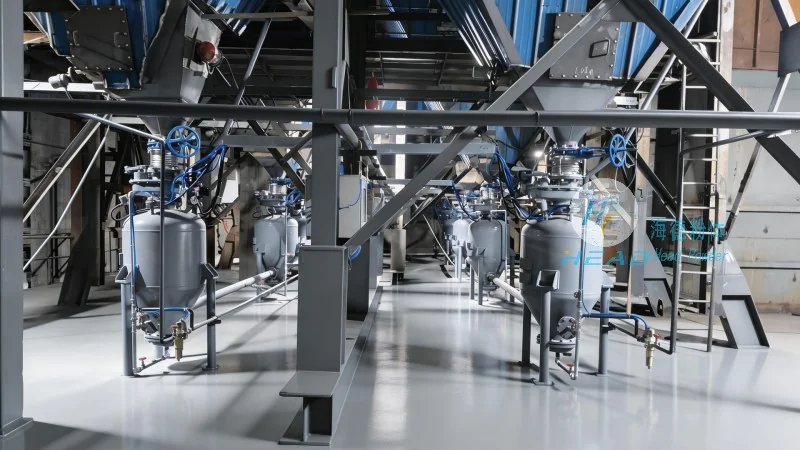
5. Effective Dust Control: Pneumatic conveying systems are equipped with filtration and separation units that help contain dust and particulate matter, improving workplace safety and compliance with environmental regulations. This feature is especially important when handling fiber materials that can generate fine dust, which may pose health risks if not properly managed.
Applications and Industries Benefiting from Fiber Material Pneumatic Conveying
Fiber material pneumatic conveying is widely used across various industries, including the paper and pulp industry, textile manufacturing, and food processing. In the paper industry, for example, these systems are essential for transporting wood chips, pulp, and recycled fibers from storage to processing units. In textile manufacturing, they are used to move raw fibers and finished products between different stages of production, ensuring smooth and efficient workflow.
Additionally, in the food and beverage sector, pneumatic conveying systems are employed to handle fibrous ingredients like fruit pulp and vegetable fibers, maintaining hygiene and preventing contamination. The ability to handle these materials gently and hygienically makes it a preferred choice in industries where product quality and safety are critical.
Conclusion and Company Overview
HeadPowder Engineering Co., Ltd., based in Shandong, China, is a reputable manufacturer specializing in the design, development, and installation of fiber material pneumatic conveying systems. With a focus on innovation and customer-centric solutions, the company delivers high-quality equipment tailored to meet the specific needs of various industrial applications. By leveraging advanced technology and expertise, HeadPowder ensures that its pneumatic conveying systems provide reliable, efficient, and cost-effective material handling solutions for its clients.