

Working Principle and Features of Synthetic Fiber Powder Pneumatic Conveying Systems
Efficient and reliable material handling is a critical aspect of modern industrial operations, especially when dealing with synthetic fiber powders. Pneumatic conveying systems have emerged as a preferred solution for transporting such materials due to their versatility, efficiency, and ability to maintain product integrity. This article explores the working principle and key features of synthetic fiber powder pneumatic conveying lines, providing insights into how these systems operate and the advantages they offer to industries.
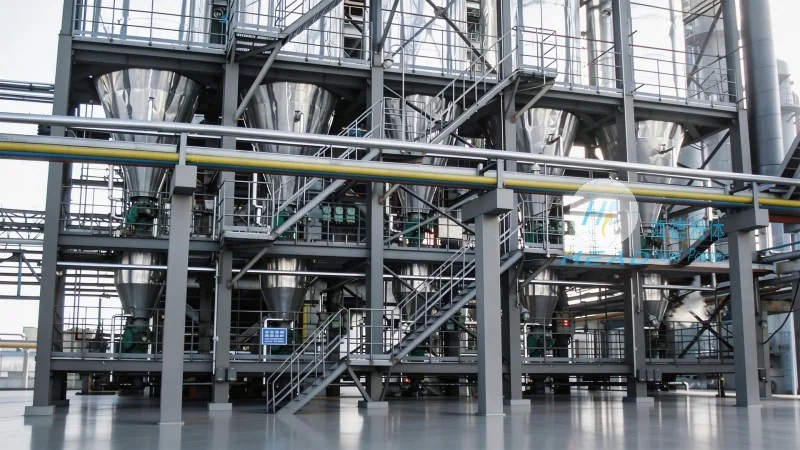
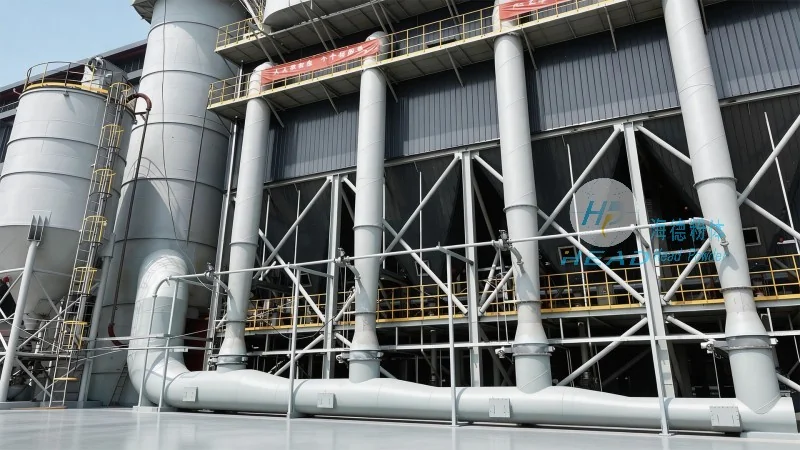
HeadPowder, a leading provider in the field, specializes in designing and manufacturing advanced pneumatic conveying solutions tailored to the unique needs of synthetic fiber powder applications. With a strong presence in China, particularly in Shandong, the company has built a reputation for delivering high-quality equipment that ensures optimal performance and durability. The following sections delve into the technical aspects of these systems, highlighting how they function and the distinct characteristics that make them suitable for various industrial processes.
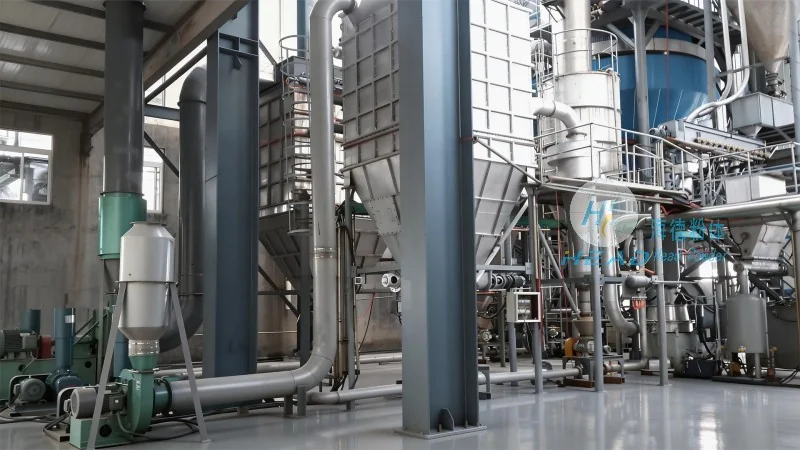
Working Principle of Synthetic Fiber Powder Pneumatic Conveying Lines
The core of a synthetic fiber powder pneumatic conveying system lies in its ability to transport dry powders using compressed air. The process typically involves several key components, including a hopper for material storage, a feeder to control the flow rate, a conveying line (often equipped with cyclones or filters), and a receiver for the discharged material. The system operates by creating a pressure differential between the inlet and outlet of the conveying line. Compressed air is introduced into the system, drawing the synthetic fiber powder from the hopper and propelling it through the pipeline. The air-fuel mixture travels at high velocity, ensuring that the powder particles are suspended and transported efficiently. Upon reaching the receiver, the air is separated from the powder, often through a cyclone separator or a filter, and the powder is collected in the designated container. This continuous process allows for the seamless transfer of synthetic fiber powders over long distances with minimal loss and maximum efficiency.
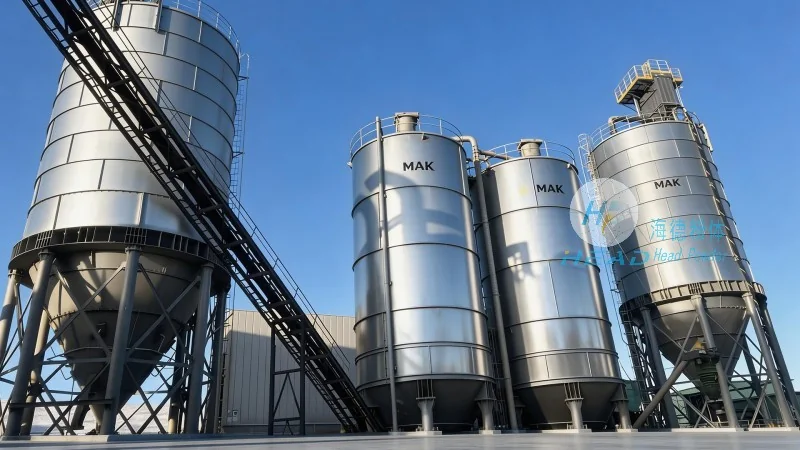
Key Features and Advantages of Synthetic Fiber Powder Pneumatic Conveying Systems
Several distinct features make synthetic fiber powder pneumatic conveying systems an attractive choice for industrial applications. Firstly, these systems offer a closed-loop operation, which helps maintain the purity of the synthetic fiber powder by preventing contamination from external sources. This is particularly important in industries where product quality is paramount, such as textiles or pharmaceuticals. Secondly, the systems are highly flexible, allowing for the transportation of materials over varying distances and through complex layouts, including vertical and horizontal segments. This adaptability makes them suitable for diverse production environments. Thirdly, pneumatic conveying systems are energy-efficient compared to traditional methods like bucket elevators or belt conveyors, as they utilize compressed air to move the material, reducing the need for mechanical components that require frequent maintenance. Additionally, these systems are relatively low in noise and vibration, contributing to a safer and more comfortable working environment. Another notable feature is the ability to handle a wide range of synthetic fiber powder characteristics, including different particle sizes, densities, and moisture contents. This versatility ensures that the system can be customized to meet specific operational requirements, enhancing its overall effectiveness. Furthermore, the systems are designed to minimize product degradation, as the enclosed conveying process reduces exposure to air and moisture, which can affect the quality of synthetic fiber powders. This preservation of product integrity is a significant advantage for industries that rely on consistent material quality. Finally, the maintenance of pneumatic conveying systems is generally straightforward, with regular checks on air pressure, filter performance, and component wear being sufficient to ensure long-term operation. The simplicity of maintenance reduces downtime and operational costs, making these systems a cost-effective solution for material handling needs.