

Working Principle and Features of Positive Pressure Dense Phase Material Pneumatic Conveying Systems
Positive pressure dense phase material pneumatic conveying systems represent a sophisticated method for transporting bulk materials through a pipeline using pressurized air. This technology is widely adopted in various industrial sectors due to its efficiency, reliability, and ability to handle a broad range of materials, from fine powders to granular solids. The system operates by injecting air or gas into the material stream, creating a dense, slurry-like mixture that flows through the pipeline under pressure. This approach minimizes material degradation, reduces dust emissions, and enhances overall process control compared to traditional pneumatic conveying methods.
Working Principle of the System
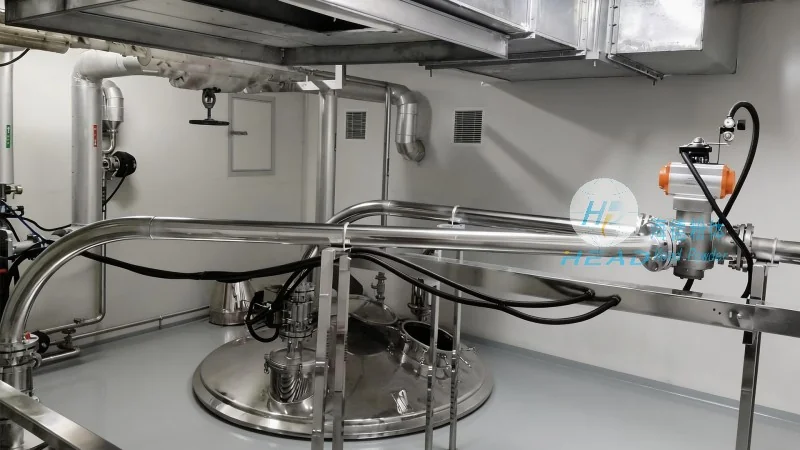
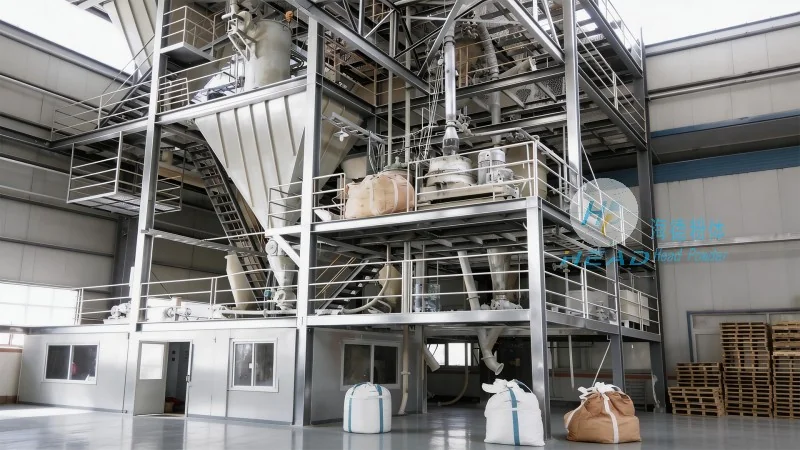
The core mechanism of a positive pressure dense phase system involves several key steps. First, the material is fed into a hopper or feeder, where it is then introduced into a pressurized pipeline. Simultaneously, a controlled amount of air or gas is supplied to the system, typically through a blower or compressor. The air is mixed with the material, forming a dense phase mixture. The pressure in the pipeline ensures that the mixture moves forward, overcoming friction and resistance within the system. The system maintains a consistent pressure and flow rate, which is crucial for stable material transport. The design allows for precise control over the conveying velocity and pressure, enabling operators to adjust the system based on the specific characteristics of the material being transported.
Key Features and Advantages
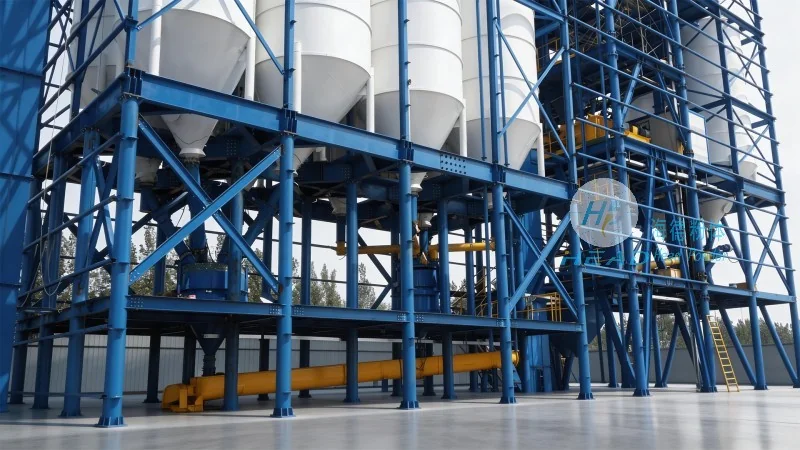
Positive pressure dense phase material pneumatic conveying systems offer several distinct advantages that make them a preferred choice in industrial applications. One of the primary features is the ability to handle abrasive and corrosive materials without significant wear on the equipment. The dense phase operation reduces the velocity of the material within the pipeline, minimizing particle impact and wear on components such as elbows, bends, and valves. This results in longer equipment life and lower maintenance costs. Additionally, the system effectively reduces dust generation and emissions, contributing to better environmental compliance and workplace safety. The pressurized environment also helps in preventing material segregation, ensuring that the conveyed material maintains its original composition and properties. Another notable feature is the system's flexibility in handling varying material types and flow rates. It can be easily scaled to accommodate different production volumes and material characteristics, making it suitable for both small-scale and large-scale operations. The control systems integrated into modern dense phase systems provide real-time monitoring and adjustment, enhancing operational efficiency and reducing downtime.
Company Overview: Shandong HeadPowder Engineering Co., Ltd.
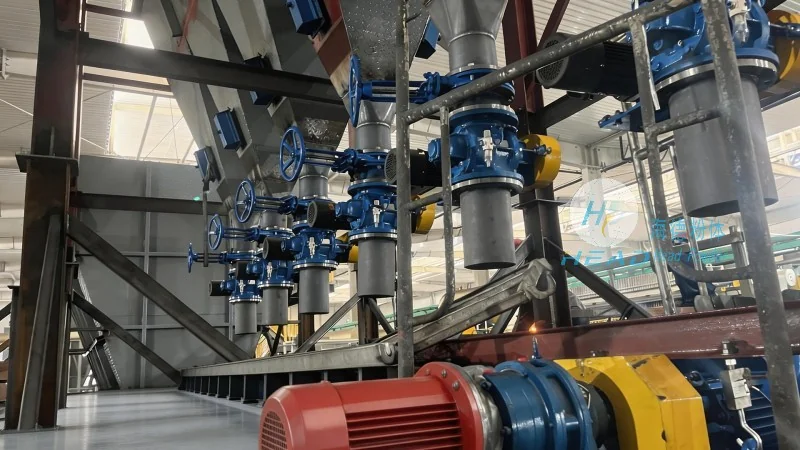
HeadPowder, as the manufacturer of these advanced conveying systems, specializes in providing customized solutions tailored to the specific needs of industrial clients. With a focus on innovation and quality, the company has established itself as a leading provider of pneumatic conveying equipment. HeadPowder's systems are designed to meet stringent industry standards and are backed by comprehensive technical support and after-sales service. The company's headquarters is located in Shandong, China, where its team of engineers and technicians work to develop cutting-edge solutions that enhance material handling efficiency and reliability. By leveraging years of experience and expertise in the field, HeadPowder ensures that its products deliver optimal performance and durability, meeting the demands of various industrial applications.