

Working Principle and Features of PUR Material Pneumatic Conveying Systems
For industrial applications requiring the efficient and safe transport of polyurethane (PUR) materials, pneumatic conveying systems offer a reliable solution. These systems utilize air or other gases to move granular or powdered materials through a network of pipes, eliminating the need for mechanical components like belts or buckets. Understanding the working principle and key features of such systems is essential for selecting the right equipment for specific operational requirements.
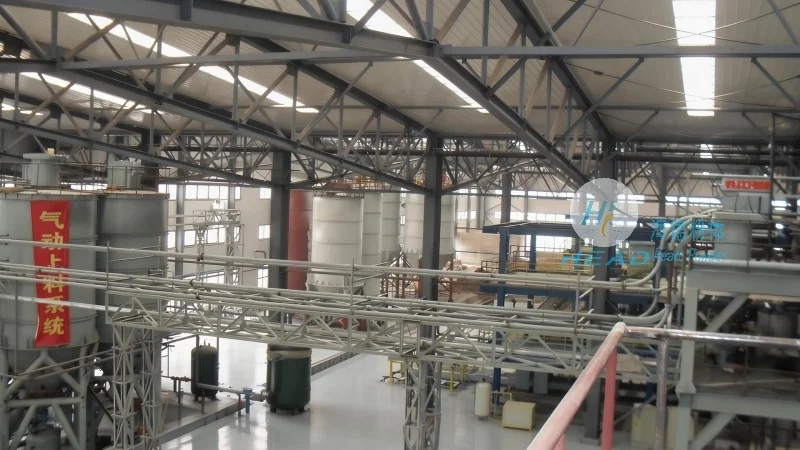
Working Principle of PUR Material Pneumatic Conveying Systems
The fundamental operation of a pneumatic conveying system involves creating a pressure differential to move materials. In the case of PUR materials, which are often in the form of pellets or fine powders, the system typically operates using either suction or pressure methods. The suction method draws material from a hopper or storage bin into the conveying line using a vacuum created by a fan or blower. The pressure method, on the other hand, forces material through the system by compressing air or gas and pushing it through the pipeline. Both methods rely on the principle of fluidization, where the material is suspended in the moving air stream, allowing it to be transported over long distances without degradation.
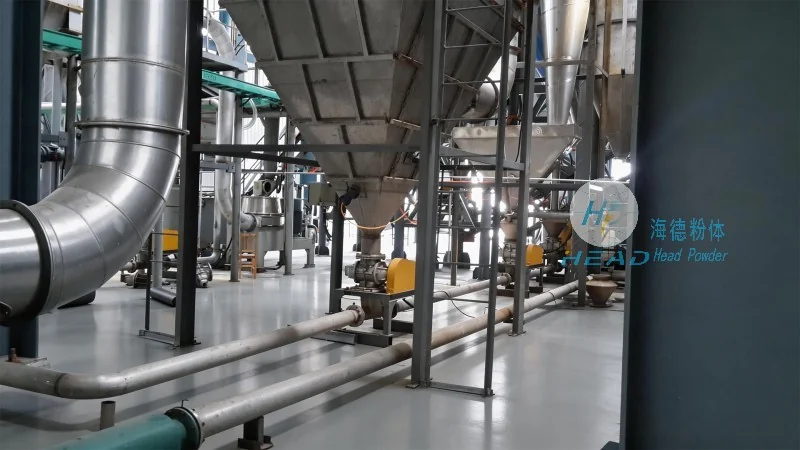
Key components of a PUR material pneumatic conveying system include a material hopper or feeder, a conveying line (usually made of stainless steel or other corrosion-resistant materials to handle PUR's chemical properties), a fan or blower to generate the necessary airflow, and a control system to regulate pressure and flow rates. The hopper ensures a consistent feed of material, while the conveying line provides the path for transport. The fan or blower supplies the energy to move the material, and the control system monitors and adjusts parameters to maintain optimal performance. This integrated approach ensures that the system operates efficiently and safely, minimizing material loss and preventing blockages.
Key Features of PUR Material Pneumatic Conveying Systems
One of the primary advantages of PUR material pneumatic conveying systems is their ability to handle fine or abrasive materials without causing wear or damage. The system's design minimizes friction and impact, which is crucial for maintaining the quality of PUR products, especially when they are used in applications like foams or coatings. Additionally, these systems are highly flexible in terms of layout, allowing for installation in various plant configurations without the need for extensive structural modifications.
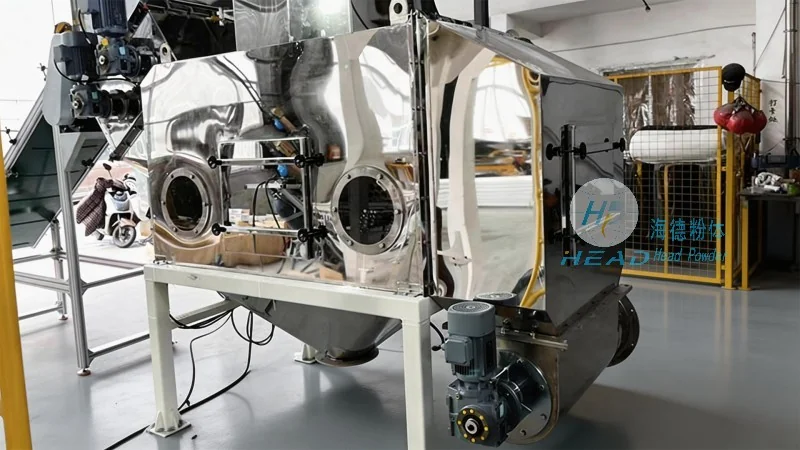
Another significant feature is the system's ability to operate in a dust-free environment. Unlike mechanical conveying methods, which can generate significant dust and particulate emissions, pneumatic systems contain the material within the pipeline, reducing health and safety risks for operators and minimizing environmental impact. This is particularly important for PUR materials, which can be sensitive to moisture and contamination, as the enclosed system prevents exposure to external elements.
Efficiency and reliability are also critical features of these systems. Advanced control systems allow for precise regulation of airflow and pressure, ensuring consistent material flow rates and preventing overloading or underloading of the conveying line. This leads to reduced downtime and lower maintenance costs over the system's lifespan. Furthermore, the use of corrosion-resistant materials in the construction of the conveying line extends the equipment's service life, making it a cost-effective solution for long-term industrial use.
Application-Specific Benefits
For industries that rely on PUR materials, such as automotive, construction, and manufacturing, pneumatic conveying systems offer tailored benefits. In the automotive sector, for example, these systems efficiently transport PUR pellets to production lines, ensuring a steady supply of raw materials for foam molding processes. In construction, they help deliver PUR powders for insulation applications, improving workflow and reducing material handling time. The ability to handle different particle sizes and flow rates makes these systems versatile, adapting to the varying demands of different production stages.
Moreover, the systems' compact design allows for installation in limited spaces, which is beneficial for retrofitting existing facilities or in new plant constructions where space is at a premium. The low noise operation of modern pneumatic conveying systems also contributes to a safer and more comfortable working environment, aligning with contemporary industrial standards.
Conclusion
PUR material pneumatic conveying systems combine advanced engineering with practical design to provide an efficient, safe, and reliable method for transporting polyurethane materials. By understanding the working principle and key features of these systems, industries can make informed decisions about equipment selection, ensuring optimal performance and cost-effectiveness. As a leading manufacturer in this field, Shandong HeadPowder Engineering Co., Ltd. continues to innovate and provide customized solutions that meet the evolving needs of the industrial sector.