

Working Principle and Features of a Baryte Powder Material Pneumatic Conveying System
For industrial applications involving the transport of baryte powder, a pneumatic conveying system offers an efficient and reliable solution. This article explores the working principle and key features of such a system, highlighting how it operates and what makes it a preferred choice for material handling in the industry.
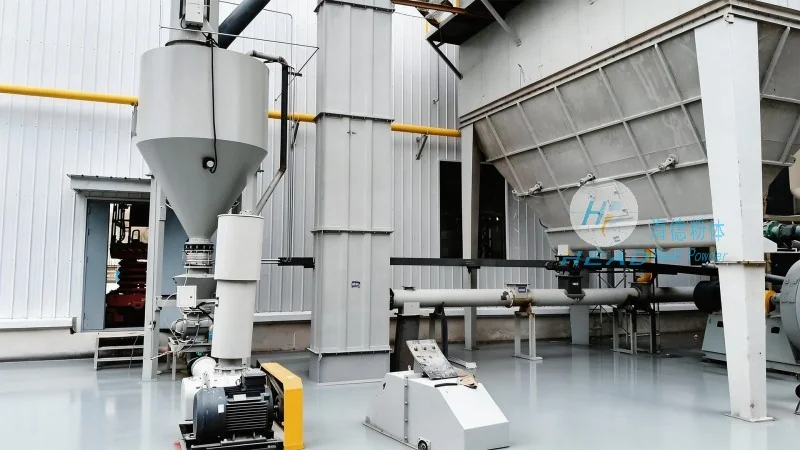
Overview of Baryte Powder Pneumatic Conveying Systems
Baryte, or barium sulfate, is a heavy mineral often used in the oil and gas industry as a weighting agent, as well as in other sectors like ceramics and pharmaceuticals. When handling baryte powder, traditional methods like belt conveyors or bucket elevators may face challenges such as dust generation, material degradation, and operational inefficiencies. A pneumatic conveying system provides a dust-free, enclosed transport solution that addresses these issues effectively.
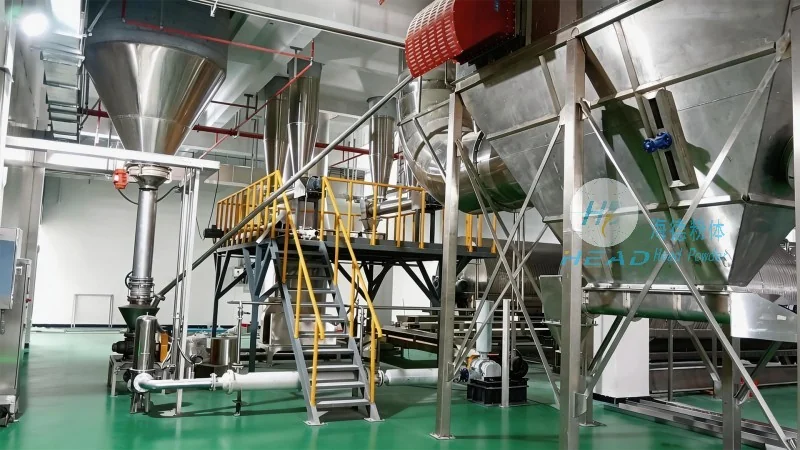
Working Principle of the Pneumatic Conveying System
The core of a baryte powder pneumatic conveying system is the use of air to move material through a pipeline. The system typically consists of a hopper for material storage, a blower or compressor to generate airflow, a pipeline network to transport the material, and a receiver or discharge point. The process begins when the baryte powder is fed into the hopper. The blower then creates a high-pressure airflow that draws the powder particles into the pipeline. As the air and powder mixture travels through the pipeline, the velocity and pressure are maintained to ensure the material is conveyed without clogging or degradation. The system may include features like pulse-jet cleaning for the pipeline to prevent blockages and maintain consistent performance.
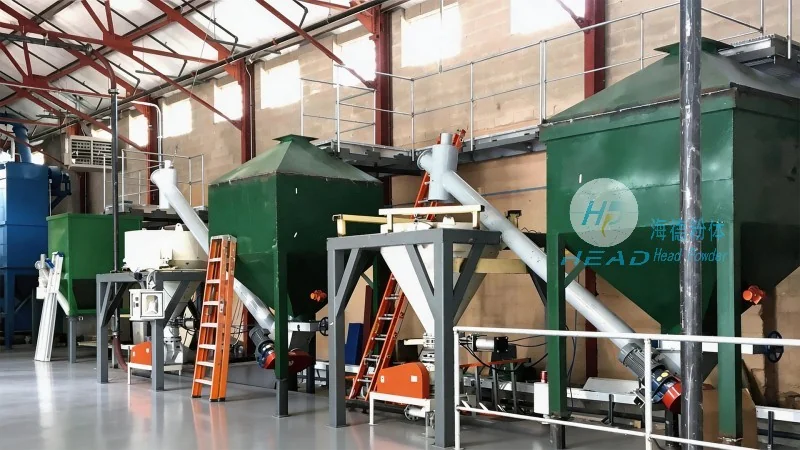
Key Features and Advantages
Several distinct features make a pneumatic conveying system ideal for baryte powder handling. First, the enclosed design eliminates dust emissions, which is crucial for maintaining a clean working environment and complying with environmental regulations. Second, the system offers high efficiency in material transport, with the ability to move large quantities of powder over long distances with minimal energy consumption. Third, the system is flexible in terms of layout, allowing for horizontal, vertical, or mixed configurations to suit different plant layouts. Additionally, the system can be integrated with other equipment, such as mixers or classifiers, to form a complete material processing line. The use of air as the conveying medium also reduces the risk of material contamination, which is important for applications where purity is critical, such as in the pharmaceutical industry.
About Shandong HeadPowder Engineering Co., Ltd.
Shandong HeadPowder Engineering Co., Ltd., commonly known as headpowder, is a leading manufacturer and supplier of industrial material handling solutions. With a focus on innovative and efficient systems, the company specializes in designing and manufacturing pneumatic conveying systems tailored to the specific needs of baryte powder and other fine materials. Headpowder's expertise lies in understanding the unique properties of different powders and developing systems that ensure optimal performance, reliability, and safety. The company's products are engineered to meet international standards and are installed in various industries worldwide, providing clients with a reliable solution for their material transport challenges.
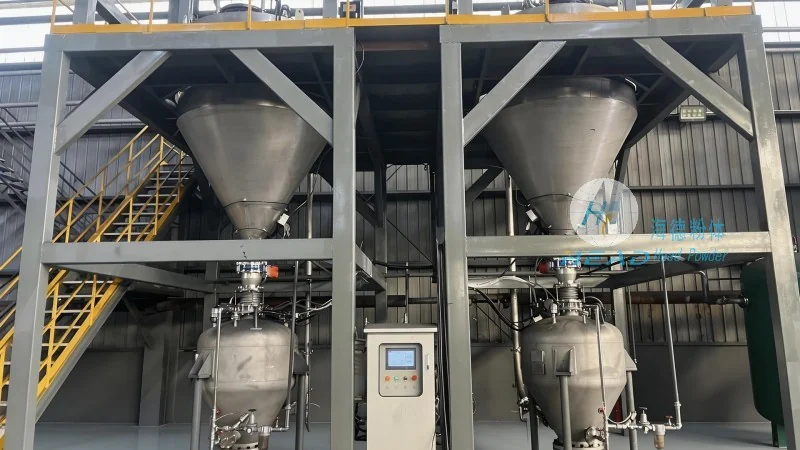
Conclusion
A baryte powder pneumatic conveying system is a sophisticated and effective solution for transporting fine materials like baryte powder. By leveraging the principles of air movement, the system offers numerous advantages over traditional methods, including dust control, high efficiency, and flexibility. For industries that require reliable and efficient material handling, a well-designed pneumatic conveying system from a reputable manufacturer like Shandong HeadPowder Engineering Co., Ltd. can be a valuable investment. The system's ability to handle large volumes of material while maintaining product quality and safety makes it an essential component in modern industrial operations.