

Working Principle and Features of Pneumatic Conveying Equipment for Coal and Coke Materials
HeadPowder, a leading engineering company based in Shandong, China, specializes in the design, manufacturing, and supply of advanced pneumatic conveying systems tailored for coal and coke materials. This article provides an in-depth exploration of the working principles and key features of such equipment, highlighting how these systems enhance efficiency and reliability in material handling processes.
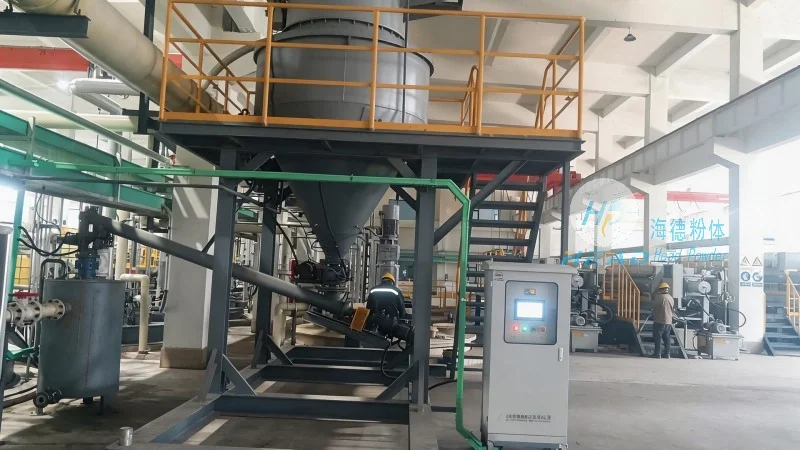
Introduction to Pneumatic Conveying Systems for Coal and Coke
Pneumatic conveying equipment is a critical component in industrial material handling, particularly for bulk materials like coal and coke. These systems utilize air or gas to transport solid particles through a pipeline network, offering a flexible and efficient alternative to traditional mechanical conveyors. The technology has evolved significantly over the years, with modern designs incorporating advanced control systems and materials to ensure optimal performance under various operational conditions.
Working Principle of Pneumatic Conveying Equipment
The core working principle of pneumatic conveying systems involves the generation of airflow within a closed pipeline system. The process typically starts with the introduction of the material into a hopper or feeder, where it is then fed into the pipeline. An air compressor or blower supplies the necessary pressure or velocity to move the material through the system. There are two primary types of pneumatic conveying: dilute-phase and dense-phase, each with distinct operational characteristics and applications.
In dilute-phase systems, the material is suspended in the air stream, moving at high velocities through the pipeline. This method is suitable for short to medium distances and materials with good flowability. Dense-phase systems, on the other hand, transport material in a more compact form, often using lower air velocities and higher material concentrations. This approach is ideal for longer distances and materials that are prone to segregation or degradation.
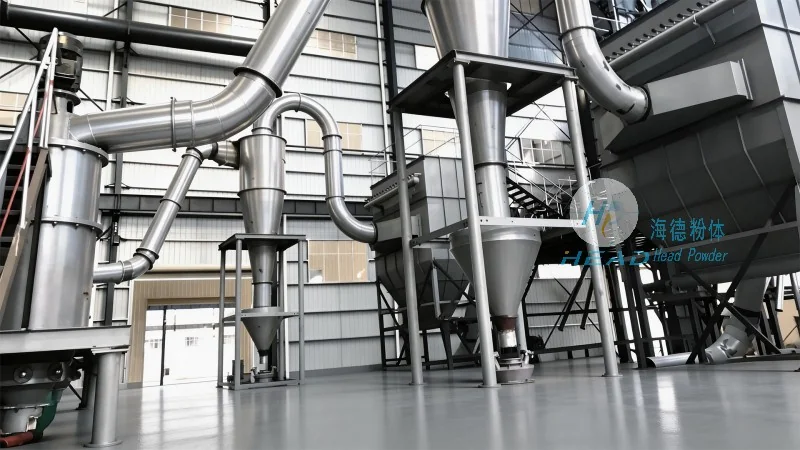
Key Features of Pneumatic Conveying Equipment for Coal and Coke
Several key features distinguish high-quality pneumatic conveying systems for coal and coke applications. Firstly, the equipment is designed to handle abrasive and corrosive materials, which are common in coal and coke processing. Materials such as stainless steel, wear-resistant alloys, and special coatings are used to ensure durability and minimize maintenance. Secondly, advanced control systems are integrated to regulate airflow, pressure, and material flow rates, providing precise control and preventing system overloads or blockages.
Another important feature is the ability to handle varying material characteristics. Coal and coke can have different particle sizes, moisture content, and flow properties, which can affect conveying efficiency. Modern systems are equipped with adjustable feed mechanisms and variable-speed blowers to accommodate these variations, ensuring consistent performance. Additionally, the systems are designed for easy cleaning and maintenance, with features like purge ports and quick-release connections that facilitate regular upkeep and reduce downtime.
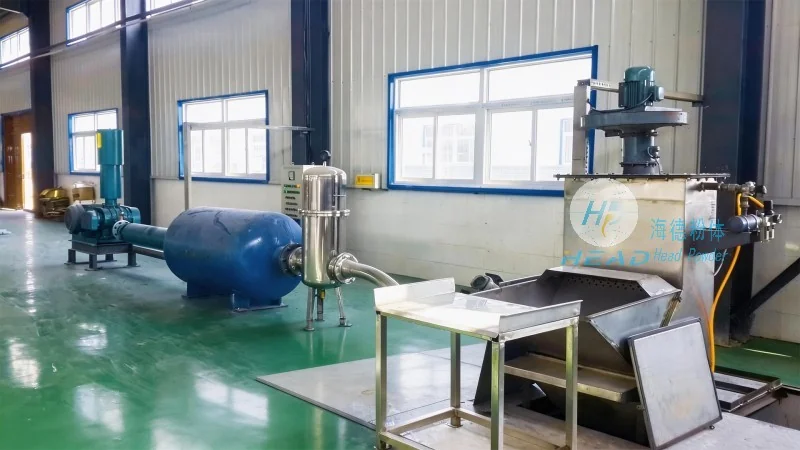
Advantages of Using Pneumatic Conveying for Coal and Coke Handling
Implementing pneumatic conveying systems for coal and coke offers numerous advantages over traditional methods. One of the most significant benefits is the reduction in material handling costs. By eliminating the need for multiple transfer points and mechanical components, these systems streamline the process and lower operational expenses. Furthermore, the enclosed pipeline design minimizes dust emissions and improves workplace safety, which is crucial in coal and coke processing environments.
Efficiency and reliability are also enhanced with pneumatic conveying. The continuous operation of the system, combined with automated controls, reduces the risk of material loss and improves overall throughput. This is particularly important in industrial settings where consistent material supply is essential for production continuity. Additionally, the flexibility of the system allows for easy integration with existing infrastructure, making it a cost-effective solution for upgrading or expanding material handling capabilities.
Conclusion and Company Overview
HeadPowder Engineering Co., Ltd., based in Shandong, China, is a trusted provider of pneumatic conveying equipment tailored for coal and coke applications. With a focus on innovation and quality, the company offers systems that combine advanced technology with robust design to meet the demanding requirements of industrial material handling. By understanding the working principles and key features of these systems, industries can optimize their material transport processes, improve operational efficiency, and enhance overall productivity.