

Working Principle and Features of Talc Powder Material Pneumatic Conveying Equipment
Talc powder, a widely used industrial mineral, often requires efficient and reliable material handling solutions for processing and transportation. Pneumatic conveying equipment has emerged as a critical technology in the talc powder industry, offering a flexible and effective method for moving bulk materials like talc powder from one location to another. This article explores the working principle and key features of talc powder material pneumatic conveying equipment, highlighting how such systems enhance operational efficiency and product quality in industrial applications.
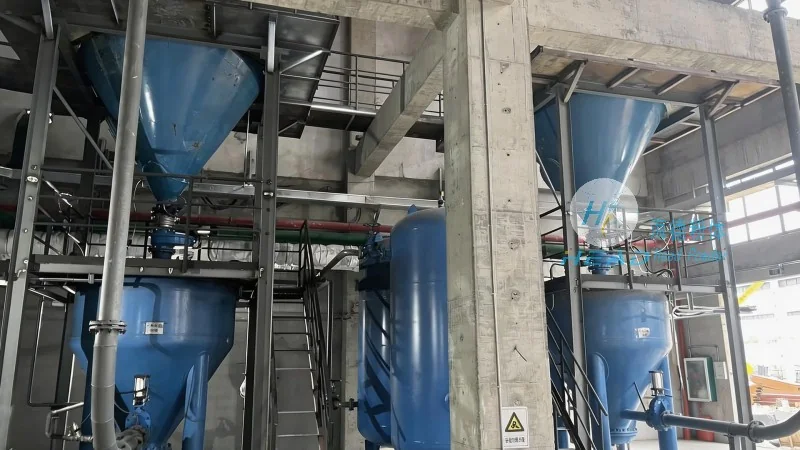
Understanding the Working Principle of Talc Powder Pneumatic Conveying Systems
The core of talc powder pneumatic conveying systems lies in the use of air as the conveying medium to transport dry bulk materials. These systems typically operate on the principle of creating a pressure differential or using vacuum to move the powder through a pipeline. There are two main types of pneumatic conveying systems: pressure systems and vacuum systems, each with distinct operational characteristics suitable for different talc powder handling scenarios.
In pressure systems, compressed air is introduced into the material feed point, creating a high-pressure environment that forces the talc powder through the pipeline. The air and powder mixture travels at high velocity, ensuring that the powder particles are fully suspended and transported efficiently. This method is particularly effective for short to medium-distance conveying and when the talc powder needs to be delivered to multiple points. The pressure system is known for its high conveying capacity and ability to handle abrasive or fine powders without causing excessive wear on the equipment.
Vacuum systems, on the other hand, use a vacuum pump to create a low-pressure environment at the discharge end, drawing the talc powder from the source into the pipeline. The powder is then carried by the air flow generated by the vacuum pump. This approach is ideal for applications requiring long-distance conveying or when the material needs to be collected from multiple sources. Vacuum systems are generally more suitable for handling lighter or more delicate powders, as the lower air velocity reduces the risk of particle degradation or damage.
Both pressure and vacuum systems rely on the same fundamental physics: the air flow provides the necessary kinetic energy to lift and transport the talc powder particles. The design of the system, including the type of air nozzles, pipeline diameter, and air velocity, is critical in determining the efficiency and effectiveness of the conveying process. Properly designed pneumatic conveying equipment for talc powder ensures that the material is moved without segregation, agglomeration, or loss of quality, which is essential for maintaining the purity and consistency of the final product.
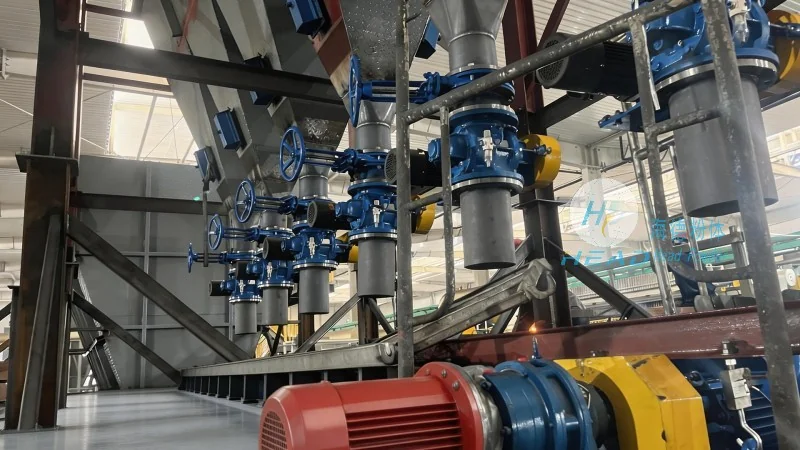
Key Features of Talc Powder Pneumatic Conveying Equipment
Talc powder pneumatic conveying equipment is characterized by several key features that make it an attractive solution for industrial applications. These features are tailored to meet the specific demands of handling talc powder, which is known for its fine particle size, low bulk density, and potential for dust generation.
Firstly, the equipment is designed for high efficiency and low maintenance. Modern pneumatic conveying systems use advanced materials and components that minimize wear and tear, reducing the need for frequent repairs and downtime. This is particularly important in continuous production environments where operational reliability is paramount. The use of stainless steel or corrosion-resistant materials in the construction of the pipelines and components ensures that the equipment can withstand the abrasive nature of talc powder, extending its service life.
Secondly, the systems offer excellent flexibility in terms of layout and integration. Pneumatic conveying lines can be easily configured to accommodate changes in production processes or facility layouts, allowing for the addition of new processing points or the reconfiguration of existing ones without major modifications. This adaptability is crucial for industrial settings where production needs may evolve over time.
Thirdly, talc powder pneumatic conveying equipment is known for its ability to maintain product quality and purity. The enclosed system design prevents contamination from external sources and minimizes the risk of dust emissions, which is essential for meeting environmental regulations and ensuring the safety of workers. The gentle handling of the powder particles reduces the likelihood of agglomeration or degradation, preserving the physical and chemical properties of the talc powder for downstream processing.
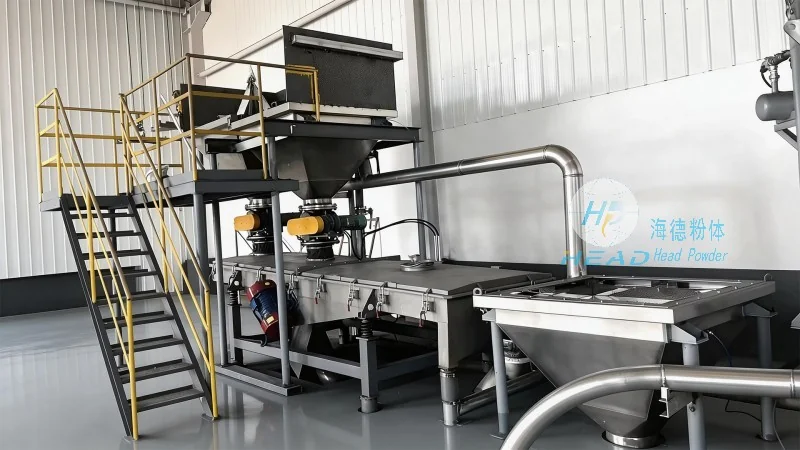
Another important feature is the energy efficiency of modern pneumatic conveying systems. Advanced control systems and optimized air flow management reduce energy consumption while maintaining high conveying rates. This not only lowers operational costs but also aligns with sustainability goals in industrial operations. The use of variable frequency drives (VFDs) and other energy-saving technologies further enhances the efficiency of the equipment.
Furthermore, the equipment is designed for easy cleaning and maintenance. The modular design of the system allows for quick disassembly and reassembly, facilitating thorough cleaning to prevent the buildup of talc powder residues. This is particularly important in industries where product contamination is a critical concern. The use of self-cleaning filters and other maintenance-friendly components simplifies routine upkeep, reducing downtime and operational costs.
Application and Operational Benefits in Talc Powder Processing
Talc powder pneumatic conveying equipment is widely used in various stages of talc powder processing, from raw material handling to finished product packaging. In the raw material handling stage, the equipment efficiently transports talc ore from storage silos or trucks to grinding mills, ensuring a consistent feed rate and preventing material buildup or segregation. This consistent feed is crucial for maintaining the quality of the ground talc powder and optimizing the grinding process.
During the grinding and classification process, pneumatic conveying systems are used to transport the ground talc powder to storage silos or packaging lines. The ability to handle fine powders without clogging or loss is a significant advantage, as talc powder particles are often very small and prone to sticking to equipment surfaces. The enclosed system design prevents dust emissions, which is essential for maintaining a clean and safe working environment.
In the packaging stage, the equipment delivers the talc powder to filling machines, ensuring accurate and consistent filling of containers. The gentle handling of the powder reduces the risk of product degradation or damage during the filling process, which is critical for maintaining the quality of the final product. The flexibility of the system allows for easy integration with different packaging lines, accommodating various container sizes and types.
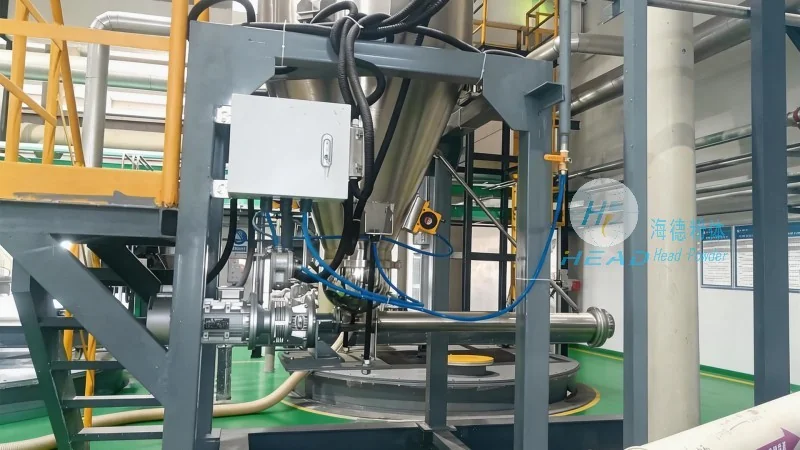
Overall, the use of talc powder pneumatic conveying equipment provides several operational benefits, including improved productivity, reduced labor costs, and enhanced product quality. The efficient movement of bulk materials reduces the time and effort required for manual handling, allowing workers to focus on other critical tasks. The consistent and reliable operation of the equipment ensures that production processes run smoothly, minimizing downtime and maximizing output.
Conclusion and Company Overview
Talc powder material pneumatic conveying equipment is a vital technology in the industrial processing of talc powder, offering efficient, flexible, and reliable solutions for material handling. The working principle, based on air flow and pressure differentials, enables the safe and effective transport of fine powders like talc, while the key features of modern systems—such as high efficiency, low maintenance, and product quality preservation—make them an ideal choice for various industrial applications.
Shandong HeadPowder Engineering Co., Ltd., a leading provider of industrial material handling solutions, specializes in designing and manufacturing pneumatic conveying equipment tailored to the specific needs of the talc powder industry. With a focus on innovation and quality, the company delivers systems that enhance operational efficiency and product quality for its clients. HeadPowder's expertise in material handling technology ensures that its equipment meets the highest standards of performance and reliability, supporting the success of industrial operations in the talc powder sector.
Located in Shandong, China, HeadPowder Engineering Co., Ltd. leverages its local expertise and manufacturing capabilities to provide comprehensive solutions for talc powder processing. The company's commitment to customer satisfaction and product excellence has established it as a trusted partner in the industry, helping businesses optimize their material handling processes and achieve their production goals.