

Working Principle and Features of Chromium Oxide Material Pneumatic Conveying System
Chromium oxide, a critical material in various industrial applications, requires efficient and reliable handling systems to ensure optimal performance and safety. The pneumatic conveying system designed for chromium oxide material transport represents a sophisticated solution that addresses the unique challenges associated with this substance. This article explores the working principle and key features of such a system, highlighting its technical advantages and practical applications.
Introduction to Chromium Oxide Material Pneumatic Conveying Systems
Pneumatic conveying systems are widely used in the chemical and material processing industries to transport bulk materials like chromium oxide through a network of pipes using air or other gases. These systems offer a non-contact method of material handling, which is particularly beneficial for materials that are abrasive, corrosive, or sensitive to contamination. The system developed by Shandong HeadPowder Engineering Co., Ltd. is specifically engineered to meet the stringent requirements of chromium oxide handling, ensuring minimal product degradation and operational efficiency.
Working Principle of the Pneumatic Conveying System
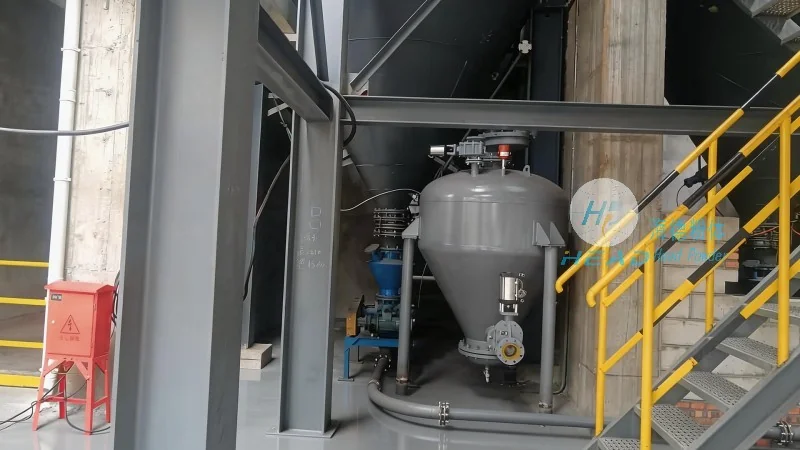
The core working principle of the chromium oxide material pneumatic conveying system involves the use of pressure differentials to move material through a pipeline. In a typical positive pressure system, a blower or compressor generates compressed air that is introduced into the material hopper. As air is forced through the material, it creates a fluidized bed, lifting the chromium oxide particles and propelling them through the conveying line. The system may also incorporate a vacuum or negative pressure design, where a vacuum pump draws material from the source into the pipeline. The choice of pressure type depends on factors such as material properties, pipeline length, and system layout. The HeadPowder system employs advanced control mechanisms to regulate air flow and pressure, ensuring consistent material transport rates and preventing blockages or material degradation.
Key Features of the System
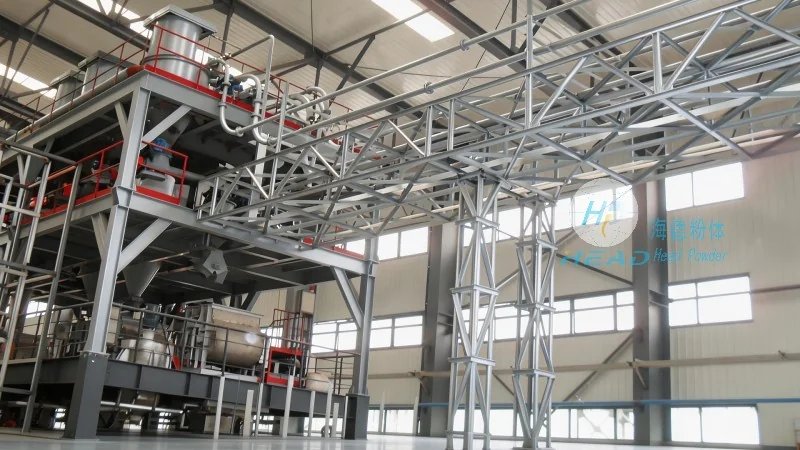
The chromium oxide pneumatic conveying system from Shandong HeadPowder Engineering Co., Ltd. is characterized by several distinct features that enhance its performance and reliability. Firstly, the system is designed with corrosion-resistant materials, such as stainless steel or specialized coatings, to withstand the chemical properties of chromium oxide and prevent equipment wear. This ensures long-term durability and minimal maintenance requirements. Secondly, the system incorporates advanced filtration and separation technology to maintain material purity and prevent dust emissions, aligning with environmental regulations. Additionally, the system features automated control and monitoring capabilities, allowing for real-time adjustments to flow rates and pressure, which optimizes operational efficiency and reduces downtime. The modular design of the system enables easy integration into existing production lines and facilitates scalability for varying material volumes.
Technical Advantages for Handling Chromium Oxide
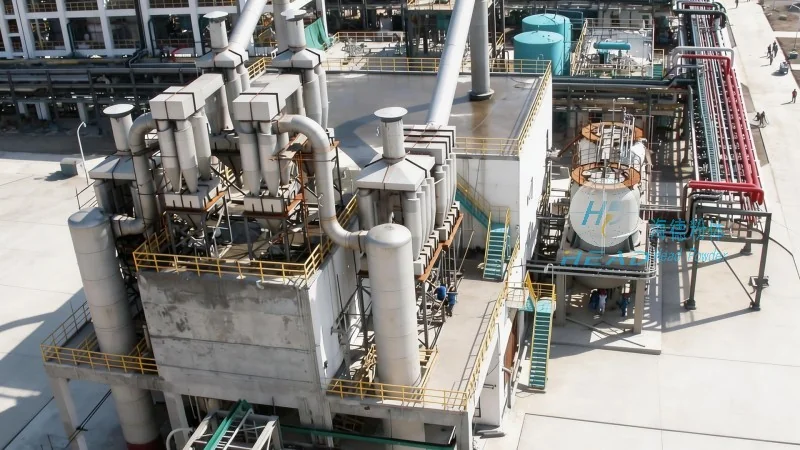
When handling chromium oxide, traditional methods like belt conveyors or bucket elevators may pose challenges due to the material's abrasive nature and potential health hazards. The pneumatic conveying system offers several technical advantages that address these issues. The non-contact transport minimizes product contamination and reduces mechanical stress on the material, preserving its quality and reducing the risk of particle degradation. The system also provides better control over material flow, preventing overloading or clogging that can occur with mechanical systems. Furthermore, the system's ability to handle fine or powdery chromium oxide particles efficiently is a significant advantage, as these particles are often difficult to transport using conventional methods. The HeadPowder system's design, with its precise air flow management and material separation mechanisms, ensures that even the most challenging chromium oxide formulations are transported safely and effectively.
Application and Operational Benefits
The chromium oxide material pneumatic conveying system is particularly suited for applications in the chemical, pigment, and metallurgical industries, where chromium oxide is used as a pigment, catalyst, or additive. The system's ability to handle large volumes of material with minimal human intervention makes it ideal for continuous production processes. Operational benefits include reduced labor costs, lower maintenance expenses due to the corrosion-resistant components, and improved safety by eliminating direct contact with the material. The system's efficiency also contributes to lower energy consumption compared to some traditional conveying methods, making it a cost-effective solution for long-term material handling needs. Based in Shandong, China, Shandong HeadPowder Engineering Co., Ltd. leverages its expertise in material handling technology to provide customized solutions that meet the specific requirements of clients, ensuring that the chromium oxide pneumatic conveying system delivers optimal performance and reliability in diverse industrial settings.