

Principles and Application Scenarios of Pneumatic Conveying for Coffee Bean Materials
HeadPowder, a leading engineering company based in Shandong, China, specializes in the design and implementation of advanced material handling solutions. Among its diverse applications, the pneumatic conveying of coffee bean materials stands out as a critical process in the coffee production and processing industry. This article delves into the fundamental principles of pneumatic conveying systems and explores the unique characteristics of their application scenarios, providing insights into how these technologies optimize efficiency and reliability in coffee bean handling.
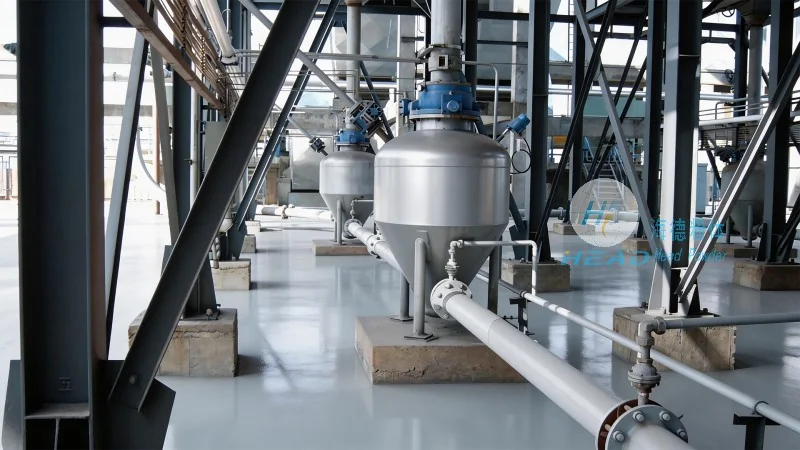
Understanding Pneumatic Conveying: The Core Mechanics
Pneumatic conveying is a method of transporting bulk materials, such as coffee beans, through a pipeline using a stream of pressurized or vacuum air. The process relies on the interaction between the material particles and the air flow, which can be categorized into two primary systems: pressure and vacuum. In pressure systems, air is introduced at the inlet, creating a positive pressure that propels the material through the pipeline. Conversely, vacuum systems use a vacuum at the discharge end to draw the material into the pipeline. For coffee beans, the choice of system depends on factors like the material's density, moisture content, and the distance to be conveyed. The core mechanics involve the generation of sufficient air velocity to overcome the gravitational and frictional forces acting on the coffee beans, ensuring stable and continuous transport.
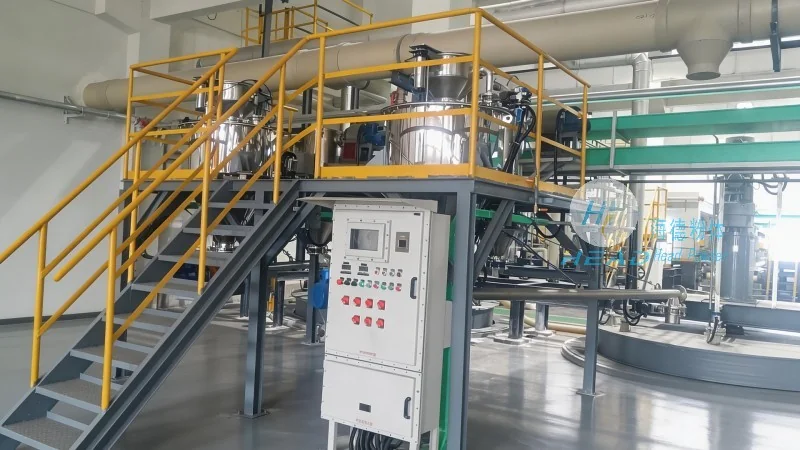
Key Components of Pneumatic Conveying Systems
Effective pneumatic conveying for coffee beans requires a well-designed system comprising several key components. These include the material feed hopper, which holds the coffee beans and regulates the flow into the system; the air supply unit, which provides the necessary pressure or vacuum; the conveying line, typically made of stainless steel or other corrosion-resistant materials to handle the beans and prevent contamination; and the separation and collection equipment, such as cyclones or filters, which separate the coffee beans from the air stream at the discharge end. Each component plays a crucial role in maintaining the integrity of the coffee beans and ensuring the efficiency of the conveying process. For instance, the material feed hopper must be designed to minimize blockages and ensure a consistent flow rate, while the conveying line must be sized appropriately to handle the volume and velocity of the coffee beans without causing excessive wear or degradation.
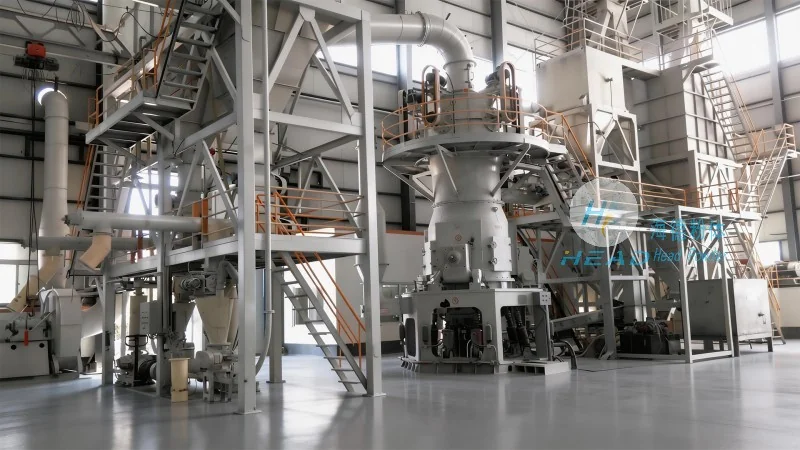
Application Scenarios: Optimizing Coffee Bean Handling
The application scenarios for pneumatic conveying in coffee bean processing vary based on the specific needs of the operation. For small-scale operations, such as artisanal coffee roasters or small processing facilities, a simple vacuum system may suffice for short-distance conveying, like moving beans from a storage bin to a roasting machine. However, for large-scale commercial operations, such as coffee plantations or large processing plants, pressure systems are often preferred due to their ability to handle higher volumes and longer distances. In these scenarios, the system may include multiple conveying lines, branching and merging points, and automated control systems to manage the flow of coffee beans efficiently. Additionally, the system may be integrated with other processing equipment, such as dehuskers, sorters, or packaging machines, to create a seamless production line. The key is to match the system design to the specific requirements of the coffee bean handling process, ensuring that the conveying system enhances overall operational efficiency and product quality.
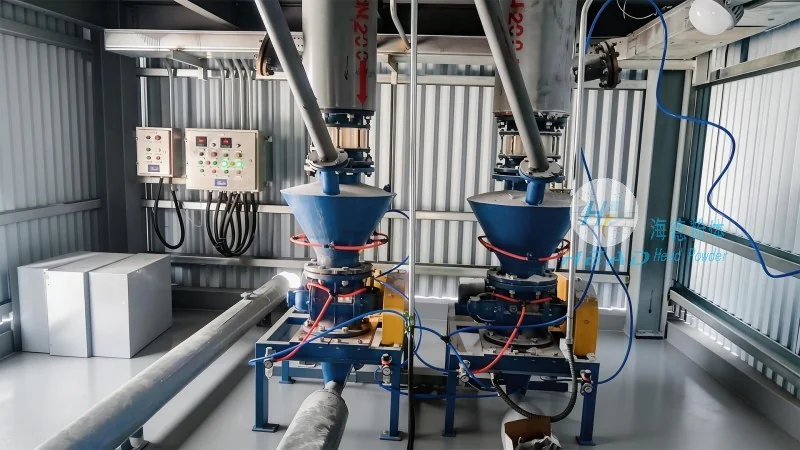
Benefits and Considerations for Coffee Bean Pneumatic Conveying
Implementing pneumatic conveying for coffee beans offers several benefits, including improved hygiene, reduced labor costs, and enhanced product quality. Unlike traditional mechanical conveying methods, which may cause abrasion or contamination, pneumatic systems can transport coffee beans in a closed environment, minimizing exposure to external factors and maintaining the beans' quality. Additionally, pneumatic systems can be automated, reducing the need for manual handling and improving safety in the workplace. However, there are also considerations to keep in mind when selecting a pneumatic conveying system for coffee beans. For example, the system must be designed to handle the unique characteristics of coffee beans, such as their irregular shape and varying moisture content, to prevent clogging or degradation. Furthermore, the system must be constructed from materials that are resistant to the beans' oils and acids to avoid contamination and corrosion. HeadPowder, with its expertise in material handling engineering, provides tailored solutions that address these considerations, ensuring that coffee bean pneumatic conveying systems are both efficient and reliable.