

Principle and Working Scene Characteristics of Pneumatic Conveying for Lithium-Ion Battery Raw Mater
HeadPowder, a leading provider in the field of material handling solutions, specializes in pneumatic conveying systems tailored for the lithium-ion battery industry. This article explores the fundamental principles of pneumatic conveying technology and highlights the key characteristics of its application scenarios in handling raw materials for lithium-ion batteries.
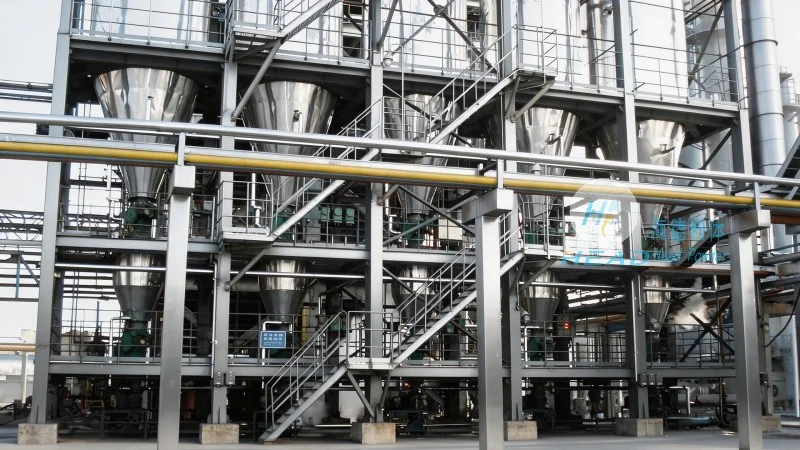
Understanding Pneumatic Conveying: Core Principles
Pneumatic conveying is a method of transporting bulk materials through a pipeline using a gas stream, typically air or other gases. The process relies on the differential pressure created by the moving gas to move particles from the source to the destination. There are two primary types of pneumatic conveying systems: dilute-phase and dense-phase. Dilute-phase systems use high-velocity air to suspend particles, suitable for long-distance and high-volume transport. Dense-phase systems, on the other hand, use lower velocity and higher pressure to push materials in a plug flow, which is ideal for handling sensitive or abrasive materials.
For lithium-ion battery raw materials, such as lithium carbonate, nickel sulfate, cobalt oxide, and graphite, the choice of system depends on material properties like particle size, density, and moisture content. The conveying process must ensure minimal material degradation, as these raw materials are critical to battery performance and efficiency. HeadPowder's expertise lies in designing systems that optimize material flow while maintaining product integrity.
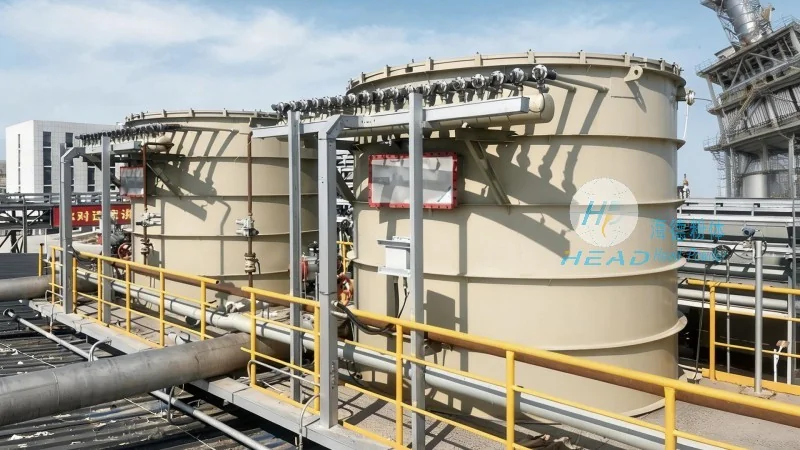
Key Working Scene Characteristics of Pneumatic Conveying in Lithium-Ion Battery Production
The application of pneumatic conveying in lithium-ion battery manufacturing environments presents several distinct characteristics that enhance operational efficiency and safety. One primary characteristic is the ability to handle materials in a closed system, which minimizes dust exposure and environmental contamination. This is particularly important in industries where air quality regulations are stringent, as lithium-ion battery raw materials can generate fine powders that are hazardous if released into the atmosphere.
Another significant characteristic is the flexibility of the system to integrate with existing production lines. Pneumatic conveying can be seamlessly incorporated into automated workflows, allowing for continuous material transfer without the need for manual handling. This integration reduces labor costs and improves production throughput, which are critical factors in the competitive lithium-ion battery market.
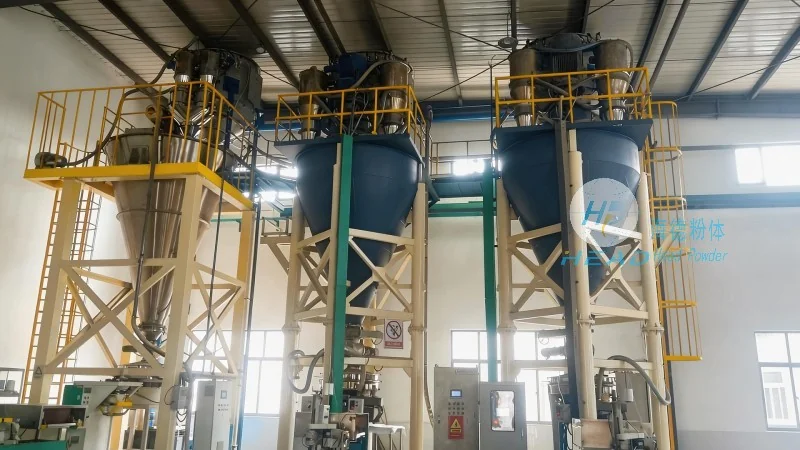
Additionally, the system's ability to handle varying material loads and flow rates makes it adaptable to different production stages. For instance, during the mixing and blending phases, the conveying system can adjust its speed to ensure uniform material distribution. In the drying and sieving stages, the system can be configured to handle materials with specific moisture levels or particle sizes, ensuring that the final product meets quality standards.
Operational Advantages and Technical Considerations
Implementing pneumatic conveying for lithium-ion battery raw materials offers several operational advantages. The most notable is the reduction in labor requirements, as automated systems handle material transport, freeing up human resources for quality control and process optimization. This also leads to increased production efficiency and reduced downtime due to fewer manual handling errors.
From a technical standpoint, the design of the conveying system must consider factors such as material compatibility with pipeline components, pressure drop across the system, and energy consumption. HeadPowder's engineers conduct thorough material analysis and system simulations to ensure that the chosen components, such as hoses, valves, and filters, are suitable for the specific raw materials being transported. This attention to detail minimizes maintenance costs and extends the lifespan of the equipment.
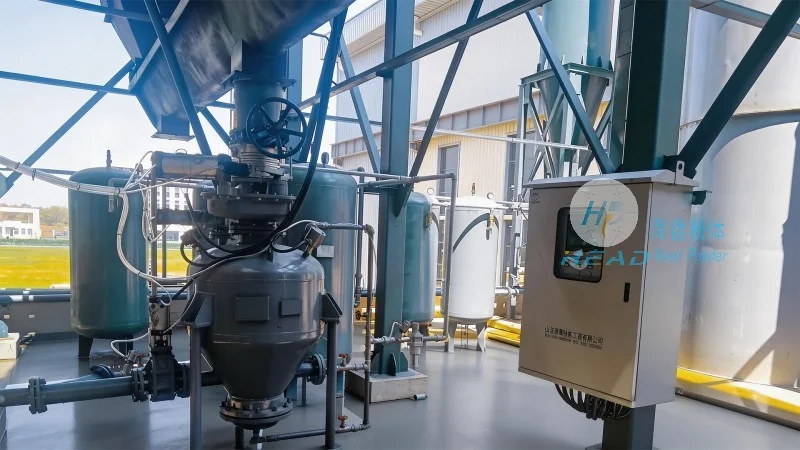
Furthermore, the system's scalability allows for expansion as production needs grow. Whether a facility is scaling up to meet increasing demand or adding new raw material lines, the pneumatic conveying system can be upgraded to accommodate higher capacities without major overhauls. This flexibility is a key advantage for companies operating in the rapidly evolving lithium-ion battery sector.
Conclusion
In conclusion, pneumatic conveying technology plays a vital role in the efficient and safe handling of lithium-ion battery raw materials. By understanding the core principles of the system and leveraging its working scene characteristics, manufacturers can optimize their production processes, enhance product quality, and reduce operational costs. HeadPowder, with its expertise in engineering tailored solutions, continues to support the lithium-ion battery industry in achieving these goals, ensuring that raw materials are transported reliably and efficiently throughout the manufacturing chain.