

Principle and Working Scene Characteristics of Heavy Powder Material Pneumatic Conveying Systems
HeadPowder, a leading engineering company based in Shandong, China, specializes in the design and implementation of advanced pneumatic conveying systems for heavy powder materials. This article explores the fundamental principles behind these systems and highlights key working scene characteristics that define their application in various industrial settings.
The Core Principle of Pneumatic Conveying for Heavy Powders
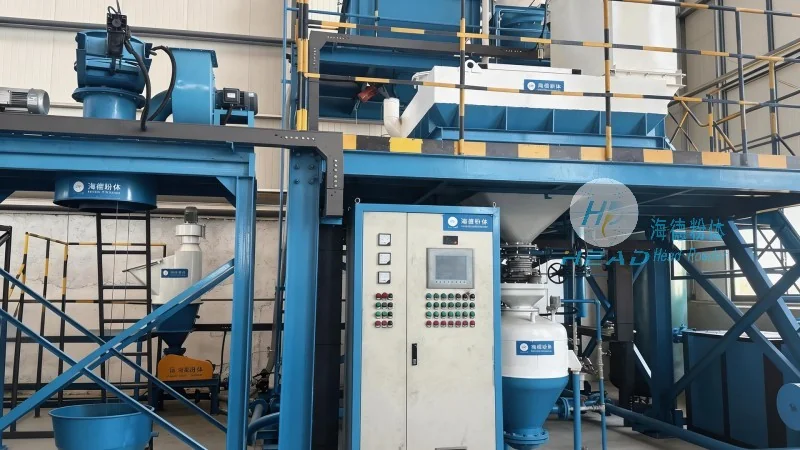
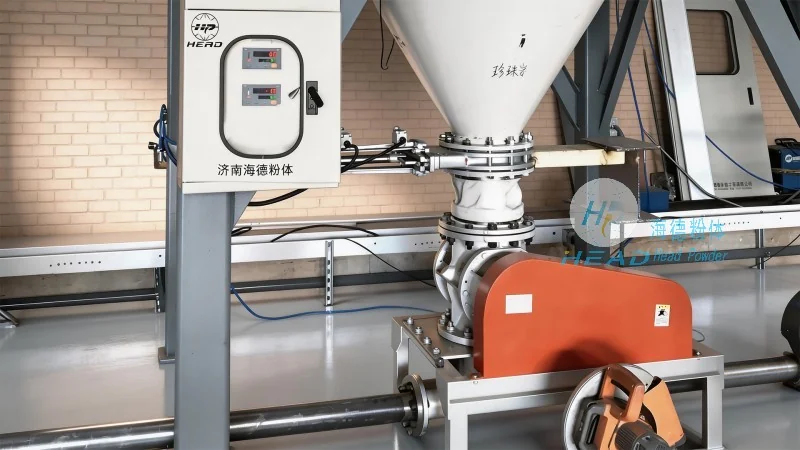
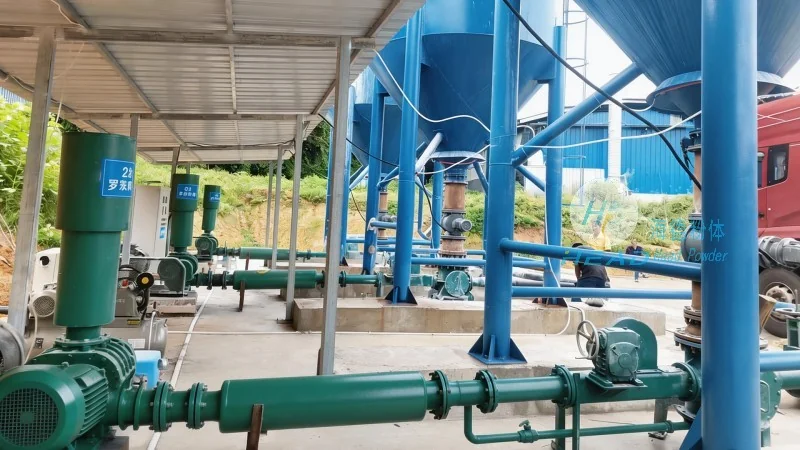
The primary principle of pneumatic conveying systems involves the use of compressed air or other gas to transport bulk materials through a pipeline network. For heavy powder materials, such as cement, coal ash, or mineral powders, the system typically operates under positive pressure, where air is forced through the material to create a fluidized state. This fluidization allows the powder to be suspended and moved efficiently from the source to the destination. The system comprises several key components, including a feeding device, a conveying pipeline, a separation unit, and a control system. The feeding device ensures consistent material intake, while the pipeline transports the material. The separation unit, often a cyclone or filter, separates the material from the air stream, allowing the air to be recycled or vented. The control system monitors and adjusts the pressure, flow rate, and other parameters to maintain optimal operation.
Key Working Scene Characteristics of Heavy Powder Pneumatic Conveying
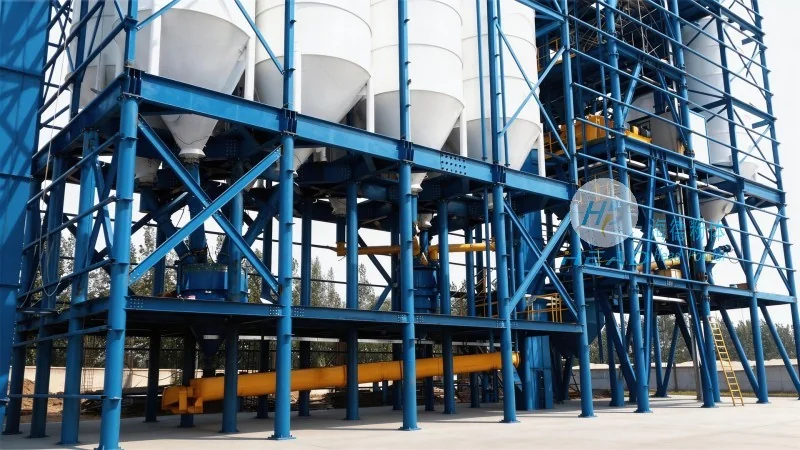
Heavy powder material pneumatic conveying systems are characterized by several distinct working scene features that make them suitable for specific industrial applications. One of the most significant characteristics is their ability to handle abrasive and high-density materials without causing excessive wear on the system components. This is achieved through the use of robust pipeline materials, such as stainless steel or special alloys, and efficient separation technology that minimizes particle impact on the system. Another key characteristic is the system's flexibility in terms of layout and integration with existing industrial processes. Pneumatic conveying systems can be configured to fit various plant layouts, including vertical, horizontal, or mixed configurations, and can be integrated with other equipment like silos, hoppers, and processing units. Additionally, these systems offer advantages in terms of space efficiency, as they can transport materials over long distances without the need for large-scale infrastructure like conveyor belts or elevators. The working scenes often involve high-volume material transport, such as in cement production plants, power generation facilities, or mineral processing operations, where the system's ability to handle large quantities of material at a consistent rate is critical. The systems also provide advantages in terms of hygiene and contamination control, as the enclosed pipeline design prevents dust from escaping into the environment, ensuring compliance with environmental regulations and maintaining product quality.