

Operation Process and Working Principle of Calcined Sand Pneumatic Conveying Equipment
Calcined sand, a critical material in various industrial applications, requires efficient and reliable transportation systems to ensure smooth production processes. The pneumatic conveying equipment designed for calcined sand is a sophisticated solution that combines advanced engineering with practical application, offering a seamless way to move this material from one location to another within industrial settings. This equipment is particularly valuable in industries such as construction, foundries, and chemical processing, where calcined sand is used as a raw material or in the production of other products.
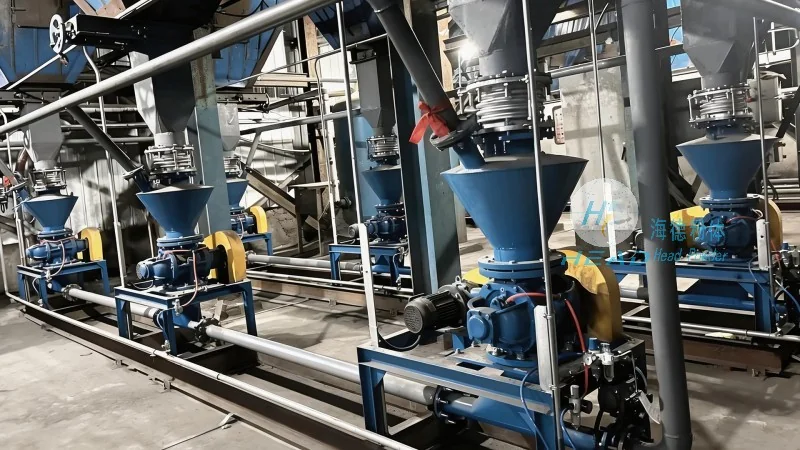
Company Overview: Shandong HeadPowder Engineering Co., Ltd.
HeadPowder, a leading manufacturer based in Shandong, China, specializes in the design, manufacturing, and supply of high-quality pneumatic conveying systems tailored to meet the specific needs of clients in the calcined sand industry. With years of experience and a commitment to excellence, HeadPowder has established itself as a trusted partner for businesses seeking reliable and efficient material handling solutions. The company’s headquarters is located in Shandong, China, where its team of experts develops and refines technologies to enhance the performance and durability of their equipment.
Working Principle of Pneumatic Conveying Systems
The core of a pneumatic conveying system for calcined sand is the ability to transport the material using air pressure. The process typically involves a hopper or storage container where the calcined sand is stored. From there, the material is fed into a pipeline through a feeder mechanism, such as a rotary valve or a screw feeder. The feeder controls the flow rate of the sand into the pipeline, ensuring a consistent and controlled delivery. Once inside the pipeline, compressed air is introduced, creating a flow that propels the calcined sand through the system. The air pressure and velocity are carefully managed to prevent blockages and ensure the material moves smoothly to the destination point, such as a silo, storage tank, or processing unit.
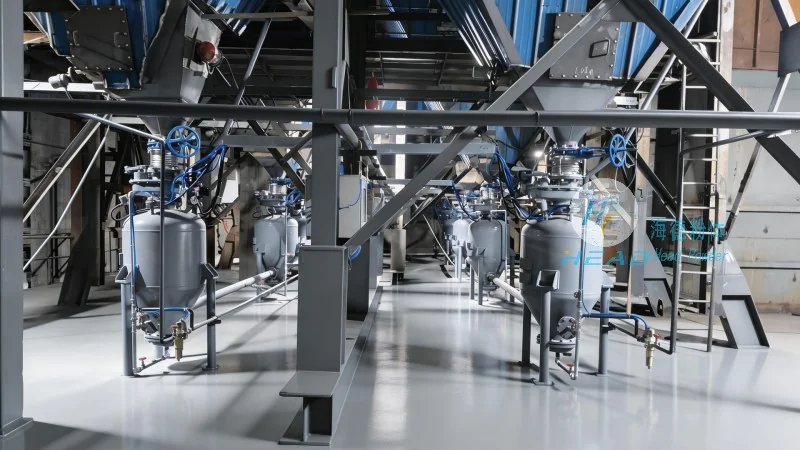
Key Components and Their Functions
Several key components work together to ensure the efficient operation of the calcined sand pneumatic conveying equipment. The hopper or storage bin serves as the primary container for the calcined sand, providing a stable and controlled environment for material storage. The feeder, often a rotary valve or a screw feeder, regulates the flow of sand into the pipeline, preventing overfilling and maintaining a consistent feed rate. The pipeline itself is made of durable materials, such as stainless steel or high-grade plastic, to withstand the abrasive nature of calcined sand and the pressure of the conveying air. The air compressor is responsible for generating the necessary compressed air, which is then directed into the pipeline to move the material. Additionally, filters and separators are used to remove any fine particles or moisture from the air, ensuring the system operates efficiently and prevents damage to the equipment.
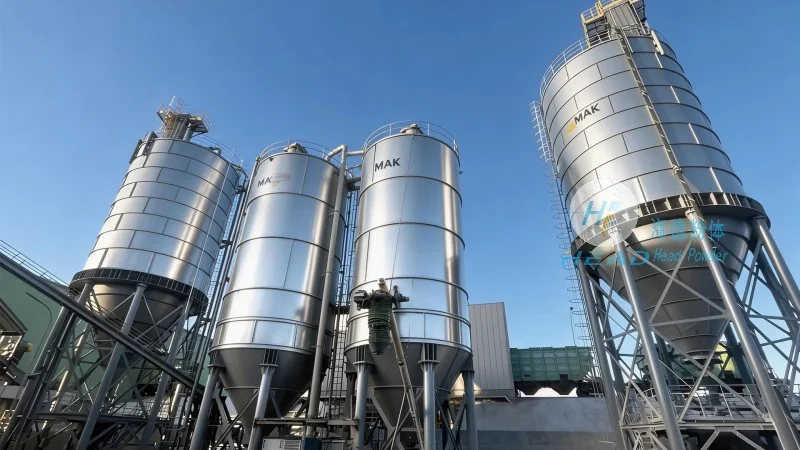
Operation Process: Step-by-Step Guide
The operation of the calcined sand pneumatic conveying equipment follows a systematic process that ensures optimal performance and minimal downtime. The first step involves loading the hopper with the required amount of calcined sand. The feeder then starts to deliver the sand into the pipeline at a controlled rate. Simultaneously, the air compressor activates, providing the necessary air pressure to move the material. As the sand is propelled through the pipeline, it reaches the destination point, where it is discharged into the receiving container. The system continuously monitors the flow rate and air pressure to maintain consistent operation. If any issues arise, such as a blockage or a drop in pressure, the system automatically adjusts or alerts the operator, ensuring the process remains smooth and efficient.
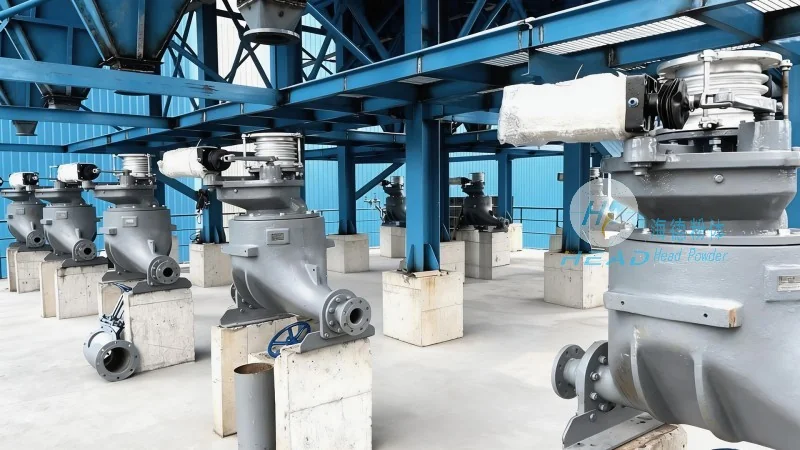
Advantages of Using Pneumatic Conveying for Calcined Sand
Employing pneumatic conveying equipment for calcined sand offers several advantages over traditional methods like belt conveyors or bucket elevators. One of the primary benefits is the ability to transport the material in a closed system, which reduces dust emissions and improves safety in the workplace. This is particularly important in industries where dust can be a health hazard or cause environmental issues. Additionally, pneumatic conveying systems are more flexible and can be easily reconfigured to accommodate changes in production needs or facility layouts. The equipment also requires less maintenance compared to other systems, as there are fewer moving parts and less wear and tear on components. Furthermore, the closed system helps maintain the quality of the calcined sand by preventing contamination from external sources, which is crucial for applications where the material's purity is critical.
Applications and Industries
The calcined sand pneumatic conveying equipment is widely used in various industries that rely on calcined sand as a raw material. In the construction industry, it is used in the production of concrete, mortar, and other building materials. In foundries, it is used as a refractory material in the casting process. The chemical industry also utilizes calcined sand in the production of various chemicals and compounds. Additionally, the food and pharmaceutical industries may use calcined sand in certain processes, though with stricter quality control measures. The versatility of the pneumatic conveying system makes it suitable for a wide range of applications, ensuring that businesses can efficiently handle their calcined sand needs regardless of the industry.