

Operation Process and Working Principle of PP Pellet Pneumatic Conveying Machine
Shandong HeadPowder Engineering Co., Ltd. specializes in the design, manufacturing, and supply of advanced pneumatic conveying systems, including the PP pellet pneumatic conveying machine. This equipment is engineered to efficiently transport polypropylene (PP) pellets, a common thermoplastic material, from one location to another within industrial settings. The company, based in Shandong, China, leverages years of experience in powder and bulk material handling to deliver reliable and efficient solutions for various industrial applications. With a focus on innovation and quality, HeadPowder provides customized solutions tailored to meet the specific needs of each client, ensuring optimal performance and long-term reliability.
Key Features of the PP Pellet Pneumatic Conveying Machine
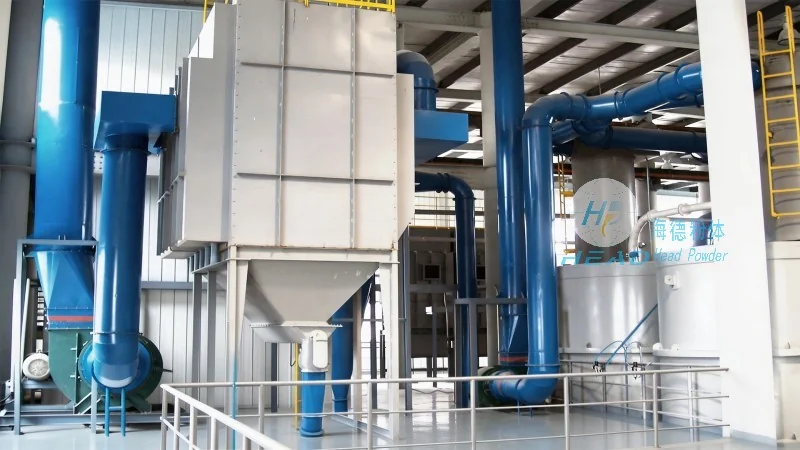
The PP pellet pneumatic conveying machine from HeadPowder is designed with several key features that enhance its performance and reliability. These include robust construction using high-quality materials such as stainless steel and corrosion-resistant alloys to withstand the demands of continuous operation in harsh industrial environments. The machine is equipped with a high-efficiency air compression system, typically utilizing a combination of positive displacement and centrifugal fans to generate the necessary air pressure and flow rates. Advanced control mechanisms, including programmable logic controllers (PLCs) and user-friendly interfaces, allow for precise adjustment of conveying parameters such as pressure, flow rate, and material feed rate. Safety features are integrated throughout the system, including pressure relief valves, overload protection, and emergency stop buttons, to prevent accidents and ensure operator safety. The design also prioritizes ease of maintenance, with accessible components and modular construction that enable quick inspections, repairs, and component replacement, minimizing downtime and maximizing productivity.
Operation Process of the PP Pellet Pneumatic Conveying Machine
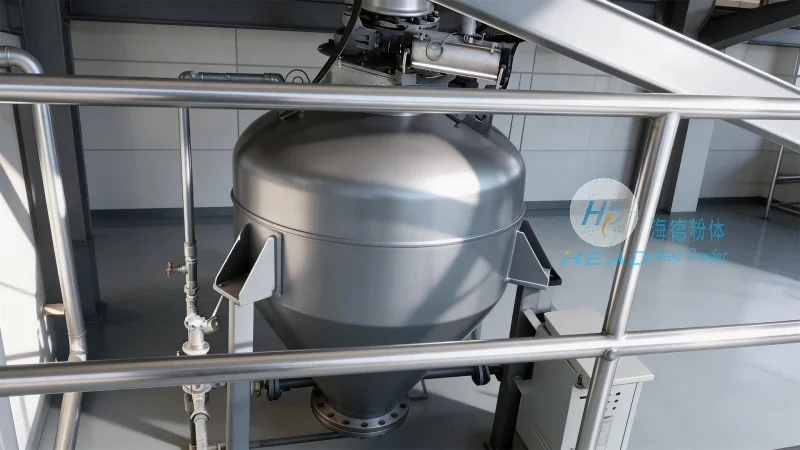
The operation of the PP pellet pneumatic conveying machine involves a systematic sequence of steps to ensure efficient and continuous material transport. The process begins with the loading of PP pellets into the hopper or storage bin, where the material is stored until needed. The hopper is equipped with a feed mechanism, such as a rotary valve or screw feeder, that controls the rate at which pellets are introduced into the conveying line. Simultaneously, the air compressor starts operating, generating high-pressure air that is directed into the conveying line at the inlet. The air stream creates a negative pressure at the inlet, drawing the pellets into the line as the air flows. The pellets are then mixed with the air in the conveying line, forming a dense phase flow that moves the material along the pipeline. The system typically operates in a closed loop, with the air being filtered and recycled to maintain a clean and safe working environment, reducing energy consumption and environmental impact. The pellets are discharged at the destination point, such as a processing plant, storage silo, or packaging line, where they are collected and used in the next stage of production. The entire operation is monitored by an automated control system that continuously adjusts the air pressure and flow rate based on real-time feedback from sensors, ensuring consistent performance and preventing issues like blockages or air leaks.
Working Principle of the PP Pellet Pneumatic Conveying Machine
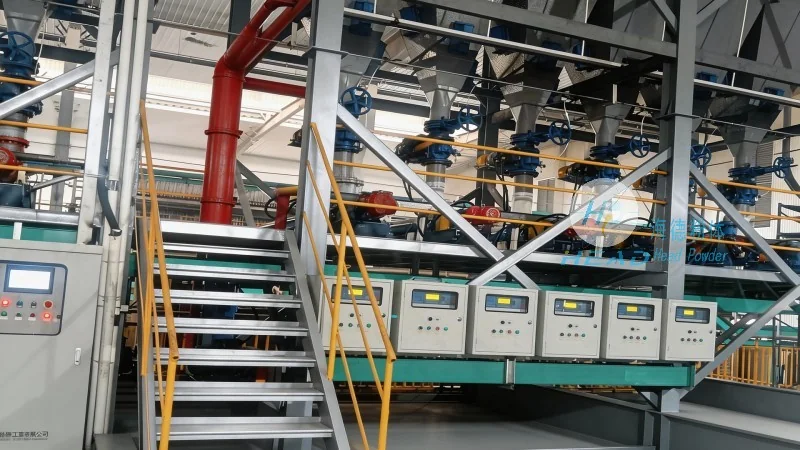
The working principle of the PP pellet pneumatic conveying machine is based on the fundamental concept of pneumatic transport, where material is moved through a pipeline using a moving air stream. The system operates by creating a pressure differential between the inlet and outlet of the conveying line, which propels the material forward. The key components of the machine include a hopper for material storage, an air compressor to generate the air stream, a conveying line (typically made of stainless steel or other corrosion-resistant materials) to transport the material, and a discharge unit to release the material at the destination. The air compressor provides the necessary energy to move the material, with the pressure and flow rate determined by the material's properties, pipeline length, and desired conveying rate. The machine can operate in either dilute phase or dense phase modes. Dilute phase conveying uses low air velocity and high air-to-material ratios, resulting in a low material concentration in the pipeline. This method is suitable for short distances and low material loads but may cause more material degradation due to higher air speeds. Dense phase conveying, on the other hand, uses higher air velocity and lower air-to-material ratios, creating a higher material concentration in the pipeline. This method provides better control over the material flow, reduces degradation, and is more energy-efficient for longer distances. The control system adjusts the air pressure and flow rate to maintain the desired mode of operation, ensuring optimal performance and material integrity.
Applications and Benefits of the PP Pellet Pneumatic Conveying Machine
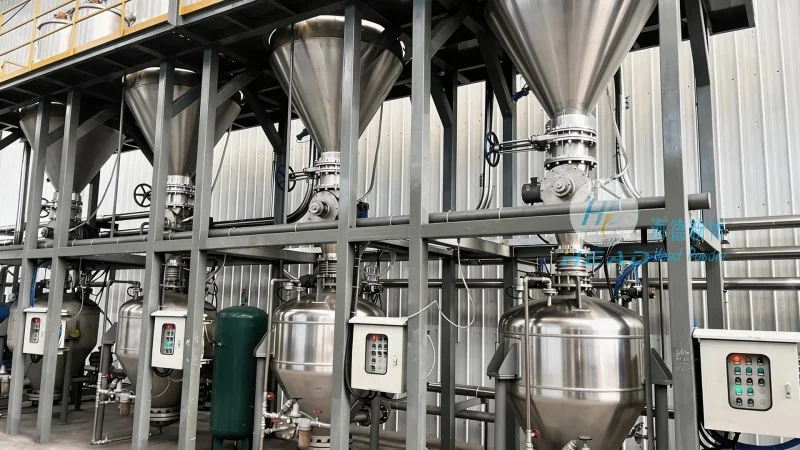
The PP pellet pneumatic conveying machine is widely utilized in various industrial sectors, including the plastic manufacturing industry, where it is used to transport PP pellets from storage to processing equipment such as extruders, injection molding machines, and blow molding machines. In the chemical processing industry, the machine is employed to handle bulk materials like chemicals and additives, ensuring safe and efficient transport. The food processing industry also benefits from this technology, as it allows for the transport of food-grade PP pellets without contamination or cross-contamination. The benefits of using the PP pellet pneumatic conveying machine include significant improvements in material handling efficiency, reduced labor costs compared to manual handling or traditional belt conveyors, and enhanced safety due to the enclosed system that minimizes exposure to dust and other hazards. The machine also reduces material loss and contamination, which is critical for maintaining product quality in industries where purity is essential. Additionally, the compact and modular design of the system allows for easy integration into existing production lines, making it a versatile solution for various industrial settings. The long-term reliability and low maintenance requirements of the machine further contribute to its cost-effectiveness, providing a high return on investment for businesses.