

Operation Process and Working Principle of Resin Powder Pneumatic Conveying Machine
Resin powder pneumatic conveying machines are essential equipment in the powder handling industry, particularly for transporting resin powders efficiently and safely. These systems utilize compressed air or other gases to move dry powders through a pipeline network. The operation and working principles of such machines are crucial for ensuring optimal performance, minimizing material loss, and maintaining system integrity. This article provides a detailed overview of the operation process and working principles of resin powder pneumatic conveying machines, with a focus on the technical aspects and practical applications.
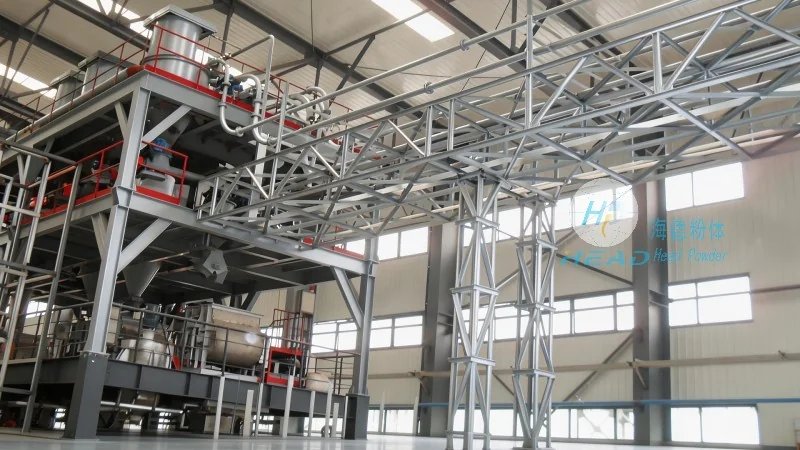
Introduction to Resin Powder Pneumatic Conveying Machines
Resin powder pneumatic conveying machines, also known as powder conveyors, are designed to transport resin powders from a source to a destination using air pressure. The technology is widely used in industries such as plastics, chemicals, and food processing due to its ability to handle fine powders without the need for mechanical components that might cause contamination or wear. The systems are typically categorized into two main types: suction (or vacuum) systems and pressure systems. Suction systems draw powders into the pipeline using a vacuum created by a fan or blower, while pressure systems push powders through the pipeline using compressed air. Shandong HeadPowder Engineering Co., Ltd., a leading manufacturer based in China, specializes in the design and production of high-quality resin powder pneumatic conveying machines tailored to meet the specific needs of various industrial applications.
Working Principle of Pneumatic Conveying Systems for Resin Powders
The fundamental working principle of a pneumatic conveying system for resin powders involves the use of air as the conveying medium. In a typical suction system, a vacuum pump creates a negative pressure in the pipeline, which draws resin powder from the hopper or storage container into the pipeline. The powder is then mixed with the air stream and transported to the discharge point. The system includes components such as a hopper, a rotary valve (for controlled feeding), a vacuum pump, and a pipeline network. The air flow rate and pressure are carefully controlled to ensure that the resin powder is conveyed without clogging or degradation. Pressure systems, on the other hand, use a blower to generate positive pressure that pushes the resin powder through the pipeline. These systems are often preferred for longer distances or when the material is prone to caking. The working principle ensures that the resin powder is transported efficiently, with minimal segregation and loss, making it suitable for high-purity applications.
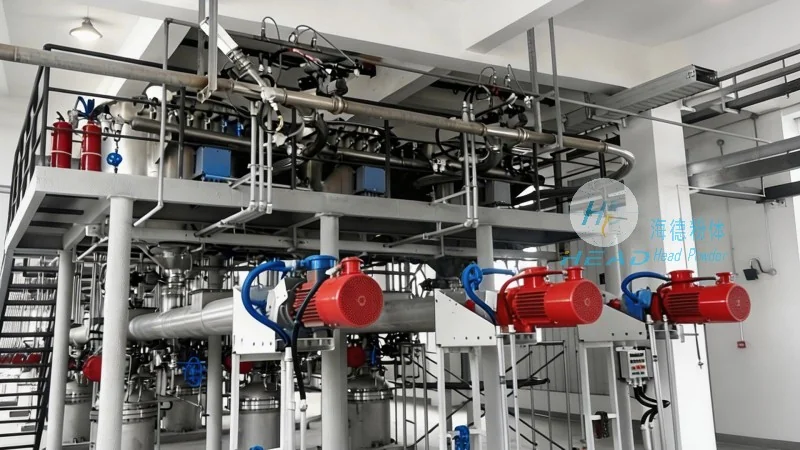
Operation Process of Resin Powder Pneumatic Conveying Machines
The operation process of a resin powder pneumatic conveying machine involves several key steps that ensure smooth and continuous operation. First, the system is prepared by checking the air supply and ensuring that all components are properly lubricated and secured. The hopper is then filled with the resin powder, and the rotary valve is adjusted to control the feed rate. The vacuum or pressure system is activated, creating the necessary air flow to start the conveying process. As the resin powder is drawn or pushed through the pipeline, it is transported to the discharge point, where it is collected in a receiving container or directly into a processing unit. The system continuously monitors the air flow and pressure to maintain optimal performance. If any issues arise, such as clogging or pressure drops, the system automatically shuts down or alerts the operator to address the problem. Regular maintenance, including cleaning the pipeline and replacing filters, is essential to prevent system downtime and ensure long-term reliability. Shandong HeadPowder Engineering Co., Ltd. provides comprehensive maintenance services and spare parts to support the operation of their pneumatic conveying machines, ensuring that customers can maintain peak performance and extend the lifespan of their equipment.
Key Features and Benefits of Resin Powder Pneumatic Conveying Machines
Resin powder pneumatic conveying machines offer several advantages over traditional mechanical conveying methods. One of the primary benefits is the ability to handle fine and abrasive powders without causing wear or contamination. The air-based system reduces the risk of material degradation and cross-contamination, which is critical for resin powders used in high-purity applications. Additionally, these systems are compact and can be installed in various configurations, making them suitable for space-constrained environments. The operation is also relatively simple, with minimal moving parts, which reduces maintenance requirements and operational costs. The systems are highly efficient, with low energy consumption compared to other conveying methods. Shandong HeadPowder Engineering Co., Ltd. designs their machines with these features in mind, incorporating advanced materials and engineering to ensure durability and performance. The company's machines are equipped with features such as adjustable air flow control, automatic shut-off valves, and pressure sensors to enhance safety and operational efficiency. These features make the resin powder pneumatic conveying machines a reliable and cost-effective solution for industries that require efficient and safe powder handling.
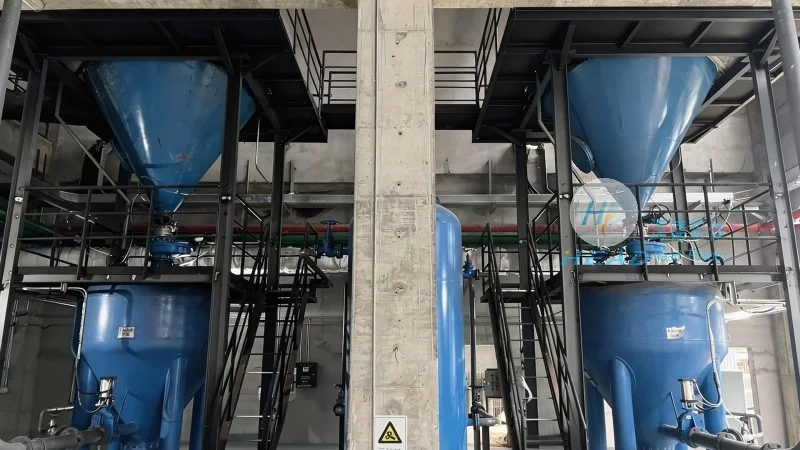
Applications and Industries Using Resin Powder Pneumatic Conveying Machines
Resin powder pneumatic conveying machines are used in a wide range of industries where resin powders are processed or handled. In the plastics industry, these machines are used to transport resin powders from storage to extrusion or molding equipment. The high-purity and efficient conveying capabilities ensure that the resin powder is delivered without contamination, which is essential for producing high-quality plastic products. In the chemical industry, the machines are used to handle various chemical powders, including resins used in coatings and adhesives. The ability to handle abrasive and corrosive materials makes the pneumatic conveying systems suitable for these applications. The food and beverage industry also utilizes resin powder pneumatic conveying machines for handling food-grade powders, such as flavorings and colorants. The systems are designed to meet sanitary standards and prevent cross-contamination, ensuring that the final products are safe for consumption. Shandong HeadPowder Engineering Co., Ltd. has supplied their pneumatic conveying machines to various industries, including automotive, pharmaceuticals, and electronics, where the reliable and efficient transport of resin powders is critical to production processes. The company's machines have been proven to enhance productivity and reduce material waste in these industries.
Conclusion and Company Information
Resin powder pneumatic conveying machines are a vital component of modern powder handling systems, offering efficient, safe, and reliable transport of resin powders. The working principles and operation processes of these machines are designed to maximize performance and minimize downtime. Shandong HeadPowder Engineering Co., Ltd., a reputable manufacturer based in China, specializes in the production of high-quality pneumatic conveying machines tailored to the needs of various industries. The company's machines are equipped with advanced features and are backed by comprehensive support services, ensuring that customers can achieve optimal performance and long-term reliability. With their commitment to quality and innovation, Shandong HeadPowder Engineering Co., Ltd. continues to be a leading provider of resin powder pneumatic conveying machines in the global market. The company's address is in Shandong, China, and they are dedicated to delivering solutions that meet the evolving needs of the industry.