

Operation Process and Working Principle of Silica Fume Pneumatic Conveying Equipment
For industrial applications that require the efficient and reliable handling of silica fume, pneumatic conveying systems have emerged as a preferred solution. These systems are designed to transport fine powders like silica fume over long distances with minimal loss and contamination. Understanding the operation process and working principle of such equipment is crucial for optimizing performance and ensuring consistent material handling in various industrial settings.
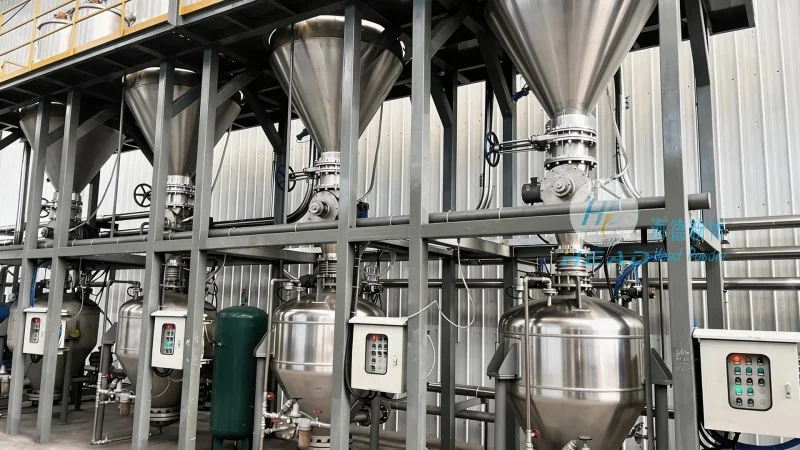
Introduction to Silica Fume Pneumatic Conveying Equipment
Silica fume, also known as microsilica, is a byproduct of silicon metal or ferrosilicon production. It is a fine, highly reactive powder with a high surface area, making it valuable in applications like concrete additives, refractory materials, and specialty chemicals. The efficient transportation of silica fume is essential to maintain product quality and reduce operational costs. Pneumatic conveying equipment offers a non-contact, closed-loop system that minimizes material degradation and environmental exposure compared to traditional methods like belt conveyors or bucket elevators.
Company Overview: HeadPowder
HeadPowder, a leading manufacturer in the field of powder handling equipment, specializes in the design, development, and manufacturing of advanced pneumatic conveying systems. With a strong focus on innovation and customer-centric solutions, the company has established itself as a trusted partner for industries dealing with fine powders. HeadPowder's products are engineered to meet stringent industry standards and are tailored to the specific requirements of each application. The company's headquarters is located in Shandong, China, where it leverages local expertise and resources to deliver high-quality equipment to global markets.
The Operation Process of Silica Fume Pneumatic Conveying
The operation of a silica fume pneumatic conveying system involves several key steps that ensure smooth and continuous material transport. The process typically begins with the feeding of silica fume into the system. This is usually done using a hopper or a feeder that controls the flow rate of the powder. The material is then introduced into a pipeline where it is mixed with an air stream. The air, often supplied by a positive displacement blower or a rotary lobe pump, creates a high-velocity flow that lifts and transports the powder particles through the system.
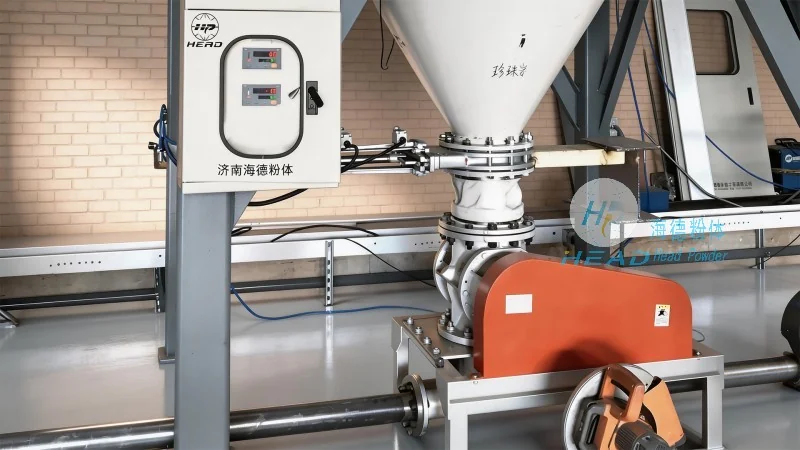
As the powder travels through the pipeline, it encounters various components such as bends, elbows, and expansion joints. These components are designed to minimize pressure loss and prevent material buildup. The system may also include filters and cyclones to separate the powder from the air stream at the receiving end. The air, now free of powder, is typically discharged into the atmosphere or recirculated back into the system to maintain energy efficiency.
Working Principle of Pneumatic Conveying
The core working principle of pneumatic conveying relies on the interaction between the air flow and the powder particles. In a dilute phase system, the air velocity is high enough to keep the powder suspended in the air stream, preventing it from settling. The pressure drop along the pipeline is a critical factor, as it determines the system's capacity and the distance over which the material can be transported. The system operates under either positive or negative pressure, depending on the application. Positive pressure systems are commonly used for short to medium distances, while negative pressure systems are suitable for longer distances or when the material needs to be transported from a higher to a lower elevation.
The design of the conveying line, including the size of the pipes, the type of air supply, and the configuration of the components, plays a significant role in the system's performance. Proper sizing of the air compressor and the pipeline ensures that the air velocity remains within the optimal range for conveying the silica fume. The system's efficiency is also influenced by factors such as the particle size distribution of the silica fume, the moisture content, and the presence of any agglomerates.
Key Components and Their Functions
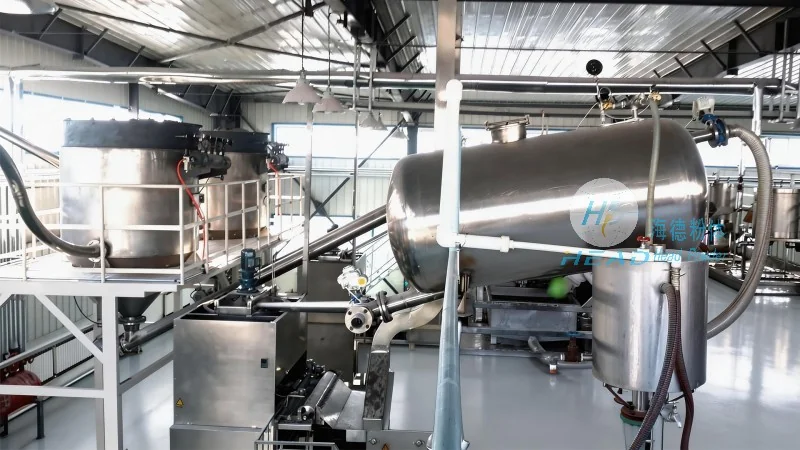
A silica fume pneumatic conveying system consists of several essential components that work in tandem to achieve efficient material transport. The primary components include the air compressor, the feeding system, the conveying pipeline, the control valves, and the separation equipment. The air compressor provides the necessary air pressure and flow rate to move the powder. The feeding system, such as a rotary valve or a screw feeder, controls the rate at which silica fume is introduced into the system, preventing overloading and ensuring a consistent flow.
The conveying pipeline is typically made of materials like stainless steel or plastic, chosen for their resistance to corrosion and wear from the silica fume particles. The pipeline is equipped with various fittings, including bends, elbows, and expansion joints, which are designed to minimize pressure loss and prevent material buildup. The control valves, such as ball valves or butterfly valves, are used to regulate the flow of air and powder, allowing for adjustments based on the system's operational needs.
The separation equipment, such as cyclones or bag filters, is used to separate the silica fume from the air stream at the receiving end. This step is crucial to prevent dust emissions and maintain a clean working environment. The separated powder is then collected in a hopper or a storage tank, ready for further processing or use.