

Operation Process and Working Principle of Automatic Powder Feeding and Discharging Conveying System
Automatic powder conveying systems are integral to modern industrial operations, particularly in sectors dealing with bulk powders like pharmaceuticals, food, and chemicals. These systems are engineered to efficiently transport powders from storage to processing equipment, ensuring consistent flow, minimizing material loss, and maintaining product quality. The operation and working principles of these systems are critical for optimizing production efficiency and reducing operational costs.
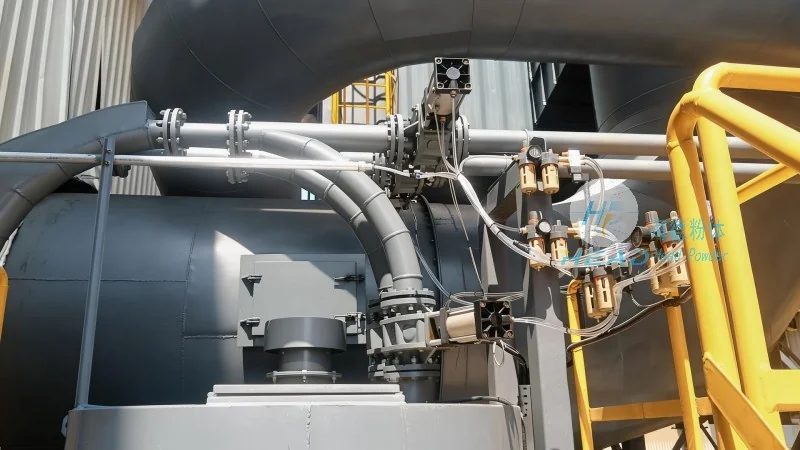
About Shandong HeadPowder Engineering Co., Ltd.
Shandong HeadPowder Engineering Co., Ltd., commonly referred to as HeadPowder, is a leading enterprise specializing in the design, manufacturing, and implementation of advanced powder handling solutions. HeadPowder is headquartered in Shandong, China, and serves clients across various industries with customized systems that address specific material handling challenges. The company’s commitment to innovation and precision has established it as a trusted partner in the field of automated powder processing.
Operation Process of Automatic Powder Conveying
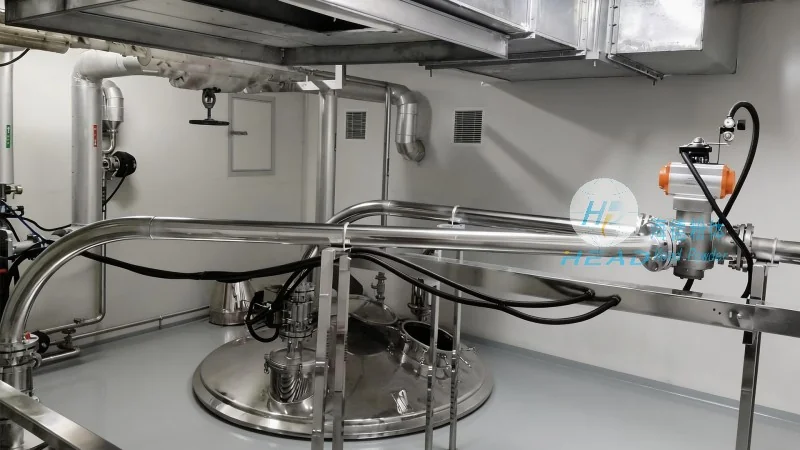
The operation of an automatic powder conveying system follows a systematic sequence of steps. Initially, the powder is drawn from a storage hopper or silo into the conveying system. A feeder, such as a screw or vibratory type, regulates the flow rate to maintain a steady supply. The powder then travels through a conveying pipe or tube, often utilizing pneumatic or mechanical methods to transport the material. In pneumatic systems, compressed air creates a flow that carries the powder particles through the pipeline. Mechanical systems employ rotating components like screws or paddles to push the powder forward. The system may include cyclones or filters to separate air from the powder stream, ensuring the material reaches the processing equipment in a controlled manner. Finally, the powder is discharged into the target processing unit, such as a mixer or extruder, completing the conveying cycle.
Working Principle of Automatic Powder Conveying
The working principle of automatic powder conveying systems is based on the fundamental concepts of fluidization and transport mechanics. Pneumatic conveying systems operate by introducing compressed air into the powder stream, creating a mixture that moves through the pipeline. The air provides the necessary force to overcome friction and gravitational forces, enabling the efficient transport of fine powders. Mechanical conveying systems, in contrast, rely on the physical movement of rotating components to push the powder along the system. These systems are particularly effective for bulkier or cohesive powders. Control systems within the equipment monitor parameters such as pressure, flow rate, and temperature, ensuring optimal performance and preventing issues like clogging or material degradation. The integration of these principles allows for reliable and consistent powder handling, supporting high-quality production processes.
Key Components and Their Roles
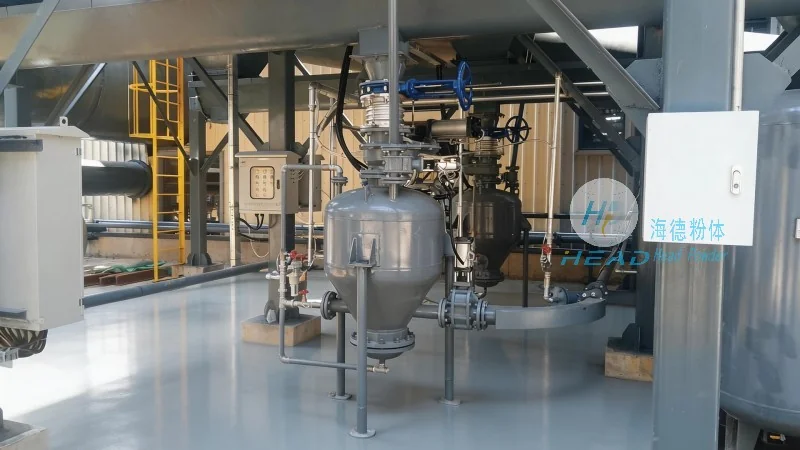
Automatic powder conveying systems consist of several key components, each playing a vital role in the overall operation. The storage hopper or silo serves as the primary source of powder, providing a consistent supply. The feeder regulates the flow rate, ensuring that the powder is delivered at the correct speed for the processing equipment. The conveying pipe or tube is the main pathway for the powder, with materials like stainless steel or plastic used to prevent material buildup and contamination. Cyclones or filters are used to separate air from the powder, maintaining the purity of the material. The control system manages all aspects of the operation, adjusting parameters in real-time to maintain optimal performance. Each component is designed to work in harmony, ensuring the smooth and efficient operation of the entire system.
Benefits of Automated Powder Conveying
Implementing automatic powder conveying systems offers numerous benefits for industrial operations. These systems enhance productivity by ensuring a continuous and consistent flow of materials, reducing downtime caused by manual handling. They also minimize material loss and contamination, which is critical in industries like pharmaceuticals and food processing where product quality is paramount. Automated systems improve safety by eliminating the need for manual handling of powders, reducing the risk of dust explosions or respiratory issues. Additionally, they provide better control over the conveying process, allowing for precise adjustment of flow rates and pressure, which leads to improved product consistency and quality. Overall, automated powder conveying systems contribute to cost savings and operational efficiency in modern industrial settings.
Application Examples
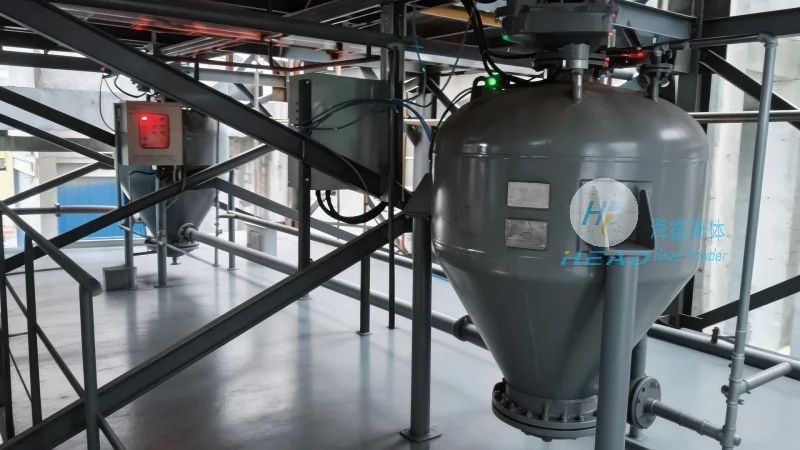
Automatic powder conveying systems are widely used in various industries. In the pharmaceutical industry, these systems are used to transport active pharmaceutical ingredients (APIs) and excipients from storage to manufacturing lines, ensuring precise dosing and preventing cross-contamination. In the food industry, they handle ingredients like flour, sugar, and spices, maintaining product quality and consistency. The chemical industry utilizes these systems for transporting raw materials and intermediates, supporting efficient production processes. Each application benefits from the consistent and controlled flow provided by automated systems, ensuring that the final product meets the required standards.
Conclusion
Automatic powder conveying systems are essential for modern industrial operations, providing efficient and reliable transport of bulk powders. The operation process and working principles of these systems are designed to optimize performance, maintain product quality, and enhance operational efficiency. Companies like Shandong HeadPowder Engineering Co., Ltd. play a crucial role in developing and implementing these systems, offering tailored solutions that meet the specific needs of various industries. By leveraging advanced technology and precision engineering, these systems continue to improve productivity and support the growth of industries that rely on bulk powder handling.