

Operation Process and Working Principle of Millet Powder Conveying Equipment
At Shandong HeadPowder Engineering Co., Ltd., we specialize in the design and manufacturing of efficient millet powder conveying systems. These systems are engineered to handle the unique characteristics of millet powder, ensuring reliable and consistent material transport in various industrial applications. The equipment is tailored to meet the demands of food processing, agricultural processing, and other sectors where precise powder handling is critical.
Key Components and Their Functions
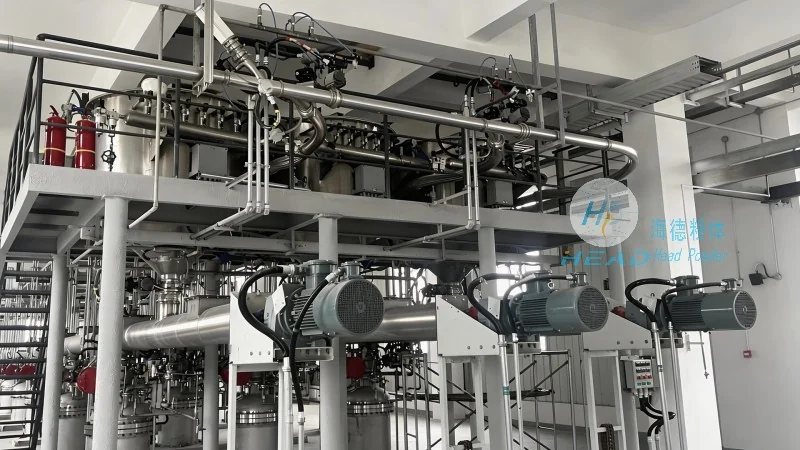
The millet powder conveying equipment typically consists of several key components that work in harmony to achieve efficient material transport. The main components include a hopper for material storage, a conveyor mechanism (such as a screw conveyor or pneumatic system), a control panel for operation, and a discharge outlet for the processed powder. Each component plays a vital role in the overall operation, contributing to the smooth and safe handling of millet powder.
Working Principle of the Conveying Process
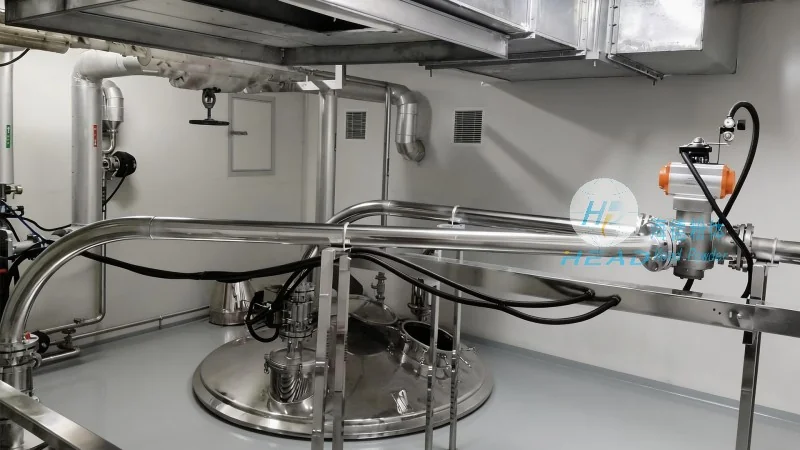
The operation of the millet powder conveying equipment begins with the loading of millet powder into the hopper. The powder then flows into the conveyor mechanism, which may be a screw conveyor that rotates to push the material forward or a pneumatic system that uses air pressure to transport the powder through a pipeline. The control panel allows operators to adjust the speed and flow rate of the conveyor, ensuring optimal performance based on the specific requirements of the application. The discharge outlet then delivers the processed millet powder to the next stage of the production line.
Operation Process Step-by-Step
1. Material Loading: Millet powder is fed into the hopper from a storage bin or directly from the production line. The hopper is designed with a wide opening to facilitate easy loading and prevent material bridging, which can occur in fine powders like millet.
2. Conveyor Activation: Once the hopper is filled to the desired level, the conveyor mechanism is activated. For screw conveyors, the screw rotates at a controlled speed, creating a pushing force that moves the powder along the conveyor. For pneumatic systems, compressed air is introduced into the pipeline, creating a pressure differential that propels the powder forward.
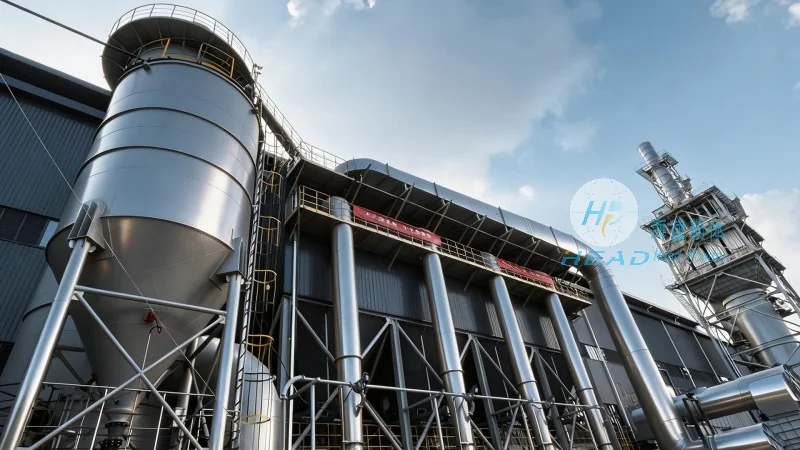
3. Control and Monitoring: The control panel monitors the flow rate and pressure, adjusting the conveyor speed as needed to maintain a consistent output. This ensures that the millet powder is conveyed at a steady rate, preventing overloading or underloading of the system.
4. Discharge and Transfer: The conveyed millet powder is discharged from the outlet into a collection bin or directly to the next processing unit. The discharge outlet is designed to minimize dust emission and ensure a clean transfer of the powder, maintaining product quality and safety standards.
Advantages of Millet Powder Conveying Equipment
Using specialized millet powder conveying equipment offers several advantages over traditional methods. These systems provide a dust-free and hygienic environment, which is crucial in food processing applications where contamination must be avoided. The equipment also ensures consistent material flow, reducing the risk of clogging and improving overall production efficiency. Additionally, the modular design allows for easy integration into existing production lines, minimizing downtime during installation and operation.
Application Examples
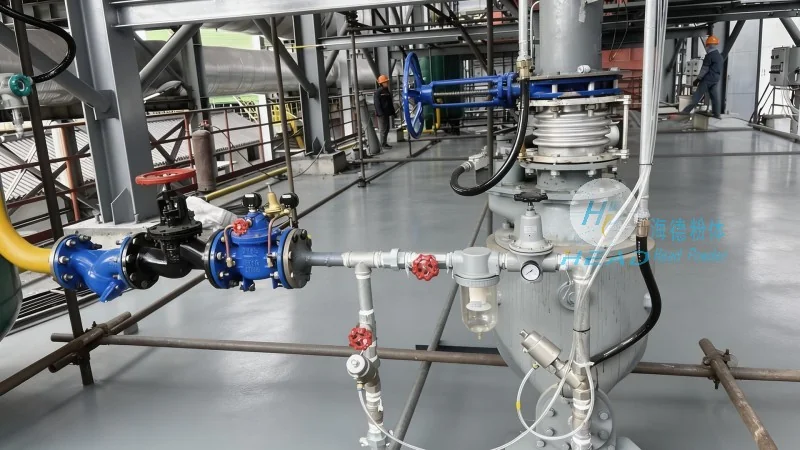
Millet powder conveying equipment is widely used in various industries, including food processing, animal feed production, and pharmaceutical manufacturing. In food processing, it is used to transport millet flour for baking and snack production. In animal feed, it helps in the efficient handling of millet-based feed ingredients, ensuring uniform mixing and distribution. The equipment's adaptability makes it suitable for a range of applications where precise powder handling is essential.
Maintenance and Safety Considerations
Proper maintenance is essential to ensure the long-term performance and safety of millet powder conveying equipment. Regular cleaning of the hopper and conveyor components is necessary to prevent powder accumulation and clogging. The control panel should be checked regularly to ensure all sensors and controls are functioning correctly. Safety features, such as dust collection systems and emergency stop buttons, are critical to protect operators from dust exposure and other hazards. By following proper maintenance procedures and safety guidelines, the equipment can operate reliably and safely for extended periods.