

Operation Process and Working Principle of Polyethylene Powder Handling Equipment
Shandong HeadPowder Engineering Co., Ltd., a leading manufacturer in the field, specializes in the design and production of efficient polyethylene powder handling systems. These systems are crucial for industries dealing with polyethylene powders, ensuring reliable and safe material transport. The equipment is engineered to meet the specific demands of various applications, from manufacturing to storage and distribution.
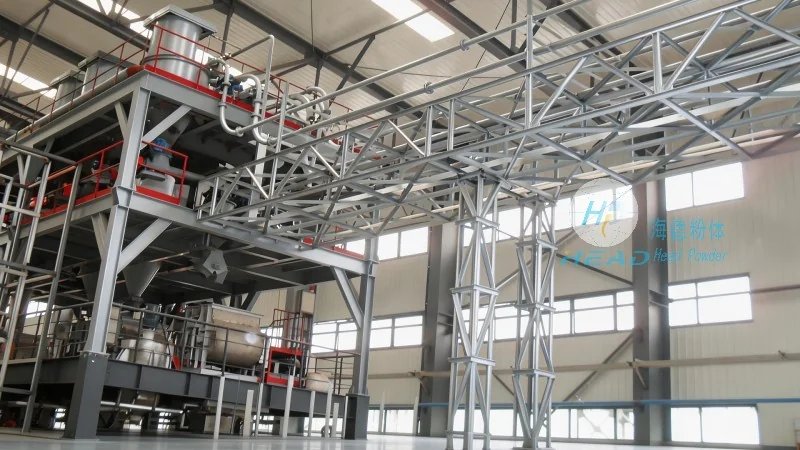
Key Components and Their Roles
The polyethylene powder handling equipment typically consists of several key components that work in tandem to facilitate the smooth transfer of material. These include hoppers for material storage, feeders to control the flow rate, conveyors for transporting the powder, and control systems to manage the entire operation. Each component plays a vital role in maintaining the integrity of the polyethylene powder and ensuring consistent performance.
Operation Process of Polyethylene Powder Handling Equipment
The operation process of polyethylene powder handling equipment begins with the loading of polyethylene powder into the hopper. The hopper is designed to hold a substantial quantity of material, allowing for continuous operation without frequent interruptions. Once the material is in the hopper, the feeder, often a rotary valve or a screw feeder, regulates the flow rate. This controlled flow is then directed into the conveyor system, which can be a pneumatic conveyor or a mechanical conveyor, depending on the specific requirements. The conveyor transports the polyethylene powder to the desired destination, such as a processing unit or a storage silo. Throughout the process, the control system monitors parameters like pressure, flow rate, and temperature to ensure optimal performance and prevent any potential issues.
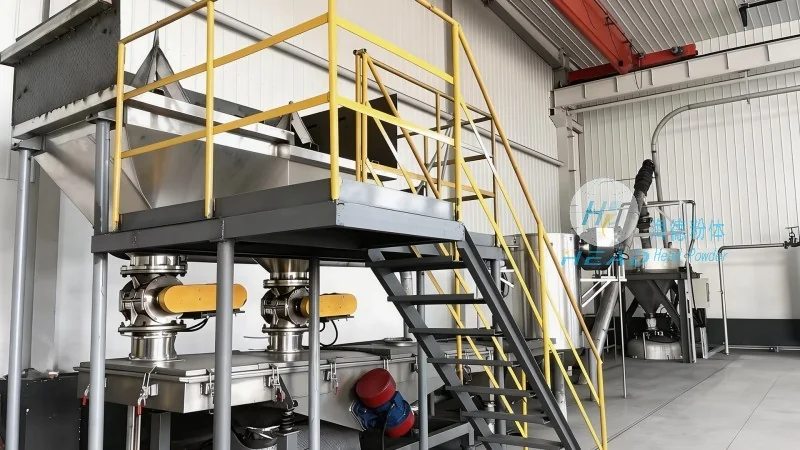
Working Principle of Polyethylene Powder Handling Equipment
The working principle of polyethylene powder handling equipment is based on the principles of fluidization and pneumatic transport. The equipment uses air or other gases to create a fluidized bed within the hopper, which allows the polyethylene powder to behave like a fluid. This fluidization enables the feeder to extract the material at a controlled rate. The conveyor system then uses this fluidized state to transport the powder efficiently. The control system plays a critical role in maintaining the pressure and flow conditions necessary for effective fluidization and transport. By regulating the air flow and pressure, the system ensures that the polyethylene powder moves smoothly without clogging or segregation.
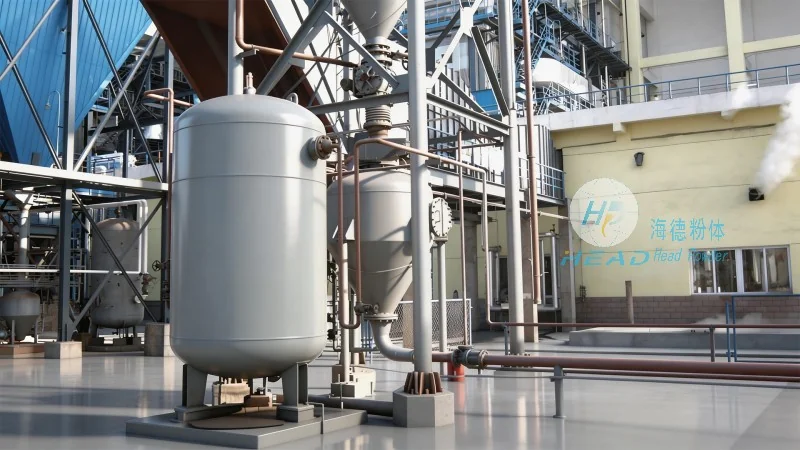
Advantages of Using Polyethylene Powder Handling Equipment
Implementing polyethylene powder handling equipment offers several advantages for industrial applications. Firstly, it enhances operational efficiency by enabling continuous and automated material transport, reducing downtime and labor costs. Secondly, it improves safety by minimizing direct human contact with the polyethylene powder, which can be dusty and potentially hazardous. Thirdly, the equipment ensures consistent material quality by preventing segregation and maintaining uniform particle size distribution. Additionally, the compact design of these systems allows for space optimization in industrial facilities, making them suitable for various production environments.
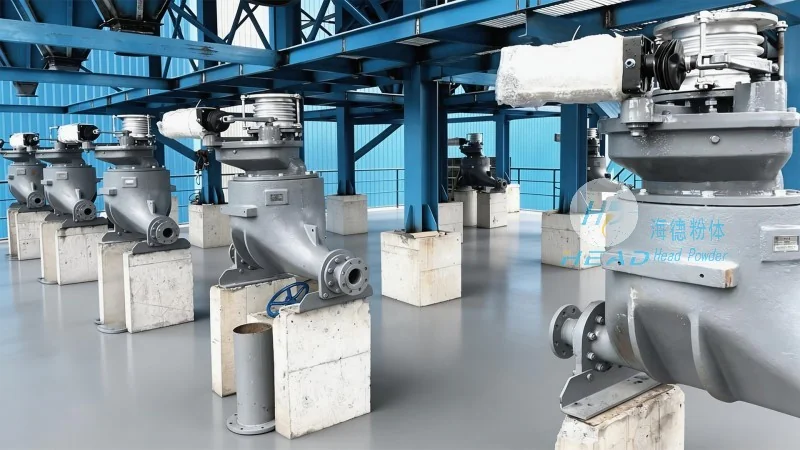
Applications in Different Industries
Polyethylene powder handling equipment is widely used across various industries due to its versatility and reliability. In the plastics manufacturing industry, it is used to transport polyethylene powder to extrusion and molding machines, ensuring a steady supply of raw material. In the chemical industry, it facilitates the handling of polyethylene powders during processing and storage, maintaining the purity of the material. The equipment is also utilized in the food and pharmaceutical industries, where it helps in the safe and hygienic handling of polyethylene-based products. Furthermore, in the construction industry, it aids in the transport of polyethylene powders used in additives and coatings.
Maintenance and Troubleshooting Tips
To ensure the longevity and optimal performance of polyethylene powder handling equipment, regular maintenance is essential. This includes cleaning the hopper and feeder to prevent material buildup, checking the conveyor system for wear and tear, and inspecting the control system for any malfunctions. Common issues that may arise include clogging in the feeder, which can be addressed by adjusting the flow rate or cleaning the hopper. Another issue is the formation of dust, which can be mitigated by using appropriate dust collection systems. Regular maintenance not only extends the lifespan of the equipment but also ensures consistent performance and reduces the risk of operational disruptions.