

Operation Process and Working Principle of Aluminum Sulfate Powder Handling Equipment
Aluminum sulfate is a widely used chemical compound in various industrial applications, and efficient handling and transportation of its powder form are crucial for maintaining production efficiency and safety. The aluminum sulfate powder handling equipment developed by Shandong HeadPowder Engineering Co., Ltd. is designed to address these challenges, providing reliable solutions for the storage, transfer, and processing of aluminum sulfate powders.
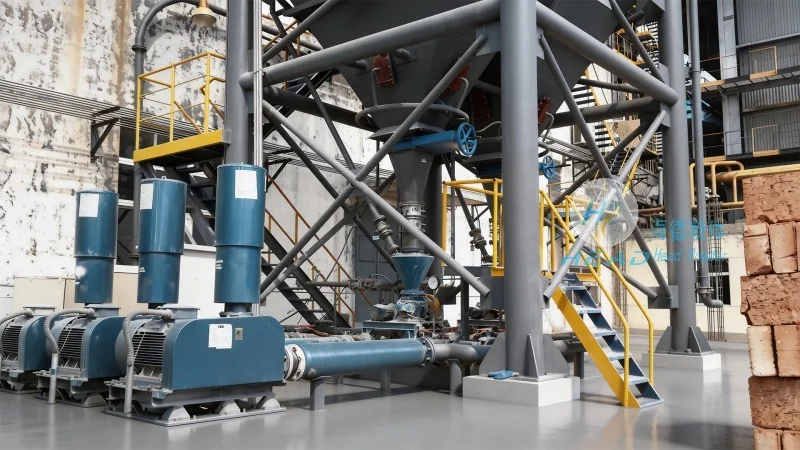
Overview of Aluminum Sulfate Powder Handling Equipment
Aluminum sulfate powder handling equipment is engineered to handle the unique properties of aluminum sulfate, such as its fine particle size, hygroscopic nature, and potential for dust generation. The equipment is typically composed of several key components, including feeders, conveyors, storage silos, and control systems, all working in harmony to ensure smooth and safe operation. The design of these systems prioritizes material flow optimization, dust control, and operational safety, making them essential for industrial facilities that rely on aluminum sulfate in their processes.
Key Components and Their Functions
The aluminum sulfate powder handling equipment from Shandong HeadPowder Engineering Co., Ltd. incorporates several critical components that contribute to its efficient operation. The feeders, for instance, are responsible for accurately metering the powder from storage silos or bulk containers, ensuring a consistent flow rate. These feeders are often equipped with adjustable speed controls and material sensors to maintain precise feeding rates, which is vital for preventing overloading or underfeeding in downstream processes. The conveyors, which may include screw conveyors, pneumatic conveyors, or bucket elevators, are designed to transport the aluminum sulfate powder from the feeder to the processing or packaging areas. Screw conveyors are commonly used for horizontal or slight incline transport, while pneumatic conveyors are ideal for long-distance or vertical transport, especially when dealing with fine powders that are prone to dusting. The storage silos are constructed from materials resistant to corrosion and chemical reactions, such as stainless steel or lined carbon steel, to protect the aluminum sulfate from degradation and contamination. Additionally, the control systems integrate sensors and automation technologies to monitor and regulate the entire handling process, ensuring real-time feedback and adjustments for optimal performance.
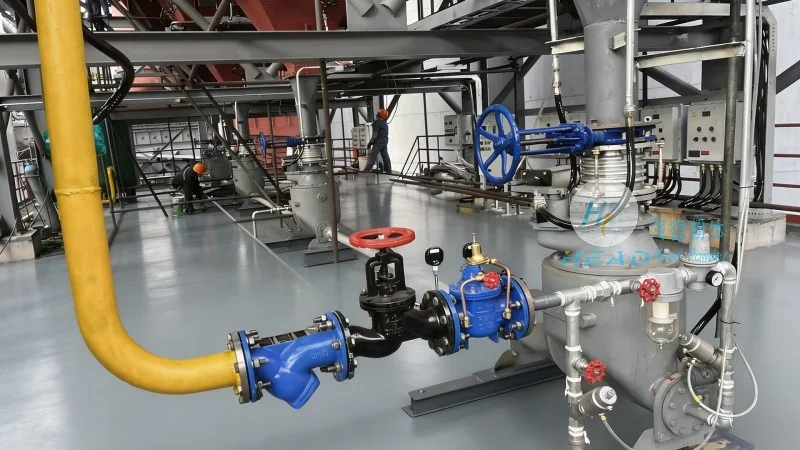
Operation Process of Aluminum Sulfate Powder Handling Equipment
The operation process of aluminum sulfate powder handling equipment involves several sequential steps that ensure the smooth transfer of the powder from storage to the point of use. The process typically begins with the loading of aluminum sulfate into the storage silos. The silos are equipped with level indicators and alarms to alert operators when the material level is low or high, preventing overfilling or emptying issues. Once the silos are filled, the feeder is activated to start the material flow. The feeder meters the powder at a controlled rate, which is then conveyed to the processing or packaging equipment. The conveyors transport the powder through a network of pipes or troughs, ensuring minimal material loss and dust generation. At the receiving end, the powder is discharged into the processing equipment, such as reactors or mixers, where it is used in various applications like water treatment, paper manufacturing, or chemical synthesis. The entire process is monitored by the control system, which adjusts the feeder speed, conveyor speed, and other parameters based on real-time feedback from sensors. This closed-loop control system ensures that the operation remains stable and efficient, minimizing downtime and maximizing productivity.
Working Principle of Aluminum Sulfate Powder Handling Equipment
The working principle of aluminum sulfate powder handling equipment is based on the principles of material flow and mechanical transport. The equipment operates by converting the potential energy of the stored aluminum sulfate into kinetic energy through the use of feeders and conveyors. The feeders use mechanical or pneumatic forces to move the powder from the silos, while the conveyors use rotational or pneumatic pressure to transport the material. The control system plays a crucial role in maintaining the balance between the input and output rates, ensuring that the material flow remains consistent. The design of the equipment also considers the hygroscopic nature of aluminum sulfate, which can lead to caking or agglomeration if not handled properly. To prevent this, the equipment is equipped with heating elements or anti-caking agents that keep the powder in a free-flowing state. Additionally, the equipment incorporates dust control measures, such as enclosures, filters, and ventilation systems, to minimize the release of fine particles into the environment and protect the operators from inhalation hazards. The overall working principle is to create a seamless and controlled process for handling aluminum sulfate powders, from storage to processing, while ensuring safety, efficiency, and compliance with industrial standards.
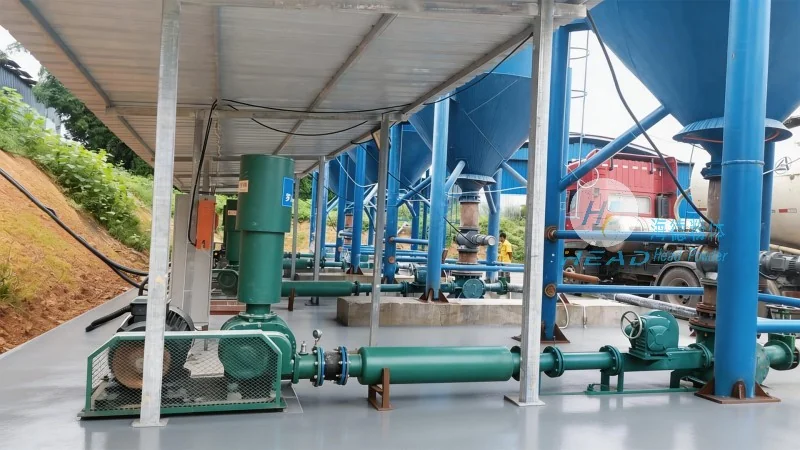
Benefits of Using Aluminum Sulfate Powder Handling Equipment
Implementing aluminum sulfate powder handling equipment from Shandong HeadPowder Engineering Co., Ltd. offers several significant benefits for industrial facilities. Firstly, the equipment enhances operational efficiency by ensuring a consistent and reliable flow of aluminum sulfate, reducing downtime caused by material blockages or uneven feeding. The automated control systems minimize the need for manual intervention, allowing operators to focus on monitoring and maintaining the equipment rather than manually adjusting flow rates. Secondly, the equipment improves safety by controlling dust generation and providing enclosed handling systems, reducing the risk of respiratory issues and environmental contamination. The use of corrosion-resistant materials and dust control measures also helps to protect the equipment from damage and prolong its service life. Thirdly, the equipment contributes to cost savings by minimizing material loss and reducing the need for manual handling, which can be labor-intensive and expensive. The precise metering and control features also help to optimize the use of aluminum sulfate, reducing waste and improving overall production economics. Finally, the equipment complies with industrial safety and environmental regulations, ensuring that the facility operates within legal and ethical standards. These benefits make aluminum sulfate powder handling equipment a valuable investment for any industrial operation that relies on aluminum sulfate in its processes.
Conclusion and Company Information
Aluminum sulfate powder handling equipment from Shandong HeadPowder Engineering Co., Ltd. represents a reliable and efficient solution for the storage, transfer, and processing of aluminum sulfate powders. The equipment is designed with advanced components and control systems to ensure smooth operation, safety, and productivity. By addressing the unique challenges of handling aluminum sulfate, such as its fine particle size and hygroscopic nature, the equipment provides industrial facilities with a robust and adaptable solution. Shandong HeadPowder Engineering Co., Ltd., based in Shandong, China, specializes in the design and manufacturing of high-quality powder handling equipment, with a focus on meeting the specific needs of various industries. The company's commitment to quality, innovation, and customer satisfaction has made it a trusted partner for facilities worldwide, providing them with the tools they need to optimize their aluminum sulfate handling processes. Whether for water treatment, paper manufacturing, or other applications, the aluminum sulfate powder handling equipment from Shandong HeadPowder Engineering Co., Ltd. is a reliable choice for ensuring efficient and safe operation.