

Operation Process and Working Principle of Gray Powder Conveying System Equipment for Casting Indust
For manufacturers in the casting industry, efficient and reliable handling of gray powder is crucial for maintaining production efficiency and product quality. The gray powder conveying system equipment, developed by Shandong HeadPowder Engineering Co., Ltd., is specifically designed to address these challenges. This system integrates advanced technology to ensure smooth material transport, minimizing downtime and enhancing overall operational performance.
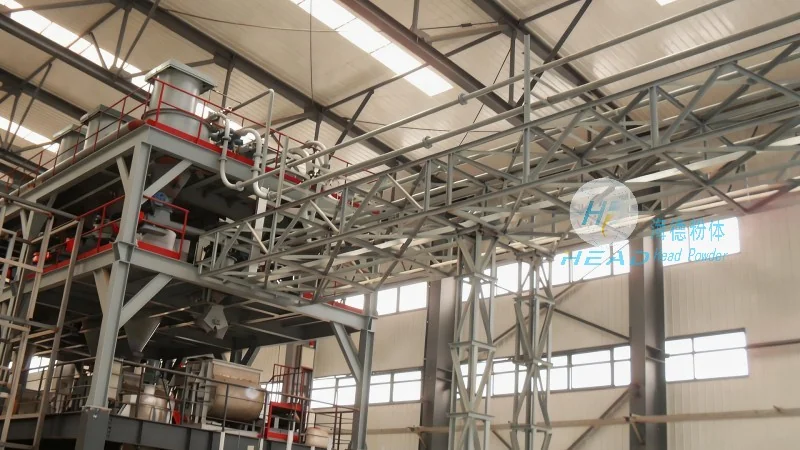
Company Overview: HeadPowder
HeadPowder, a leading provider of industrial conveying solutions, is headquartered in Shandong, China. With years of experience in the field, the company specializes in designing and manufacturing high-quality equipment tailored to the unique needs of casting and other industrial sectors. The gray powder conveying system is a testament to HeadPowder's commitment to innovation and customer satisfaction, offering robust solutions that meet stringent industry standards.
Working Principle of the Gray Powder Conveying System
The gray powder conveying system operates on a principle of continuous material transport, utilizing a combination of mechanical components to move powder efficiently from storage to processing areas. The system typically includes a hopper for material storage, a conveyor mechanism (such as a screw or pneumatic conveyor), and control systems to regulate flow and pressure. The hopper ensures a consistent feed of gray powder, while the conveyor transports the material through a sealed pipeline, preventing contamination and dust emission. The control system monitors key parameters like pressure, flow rate, and temperature, allowing for real-time adjustments to maintain optimal performance.
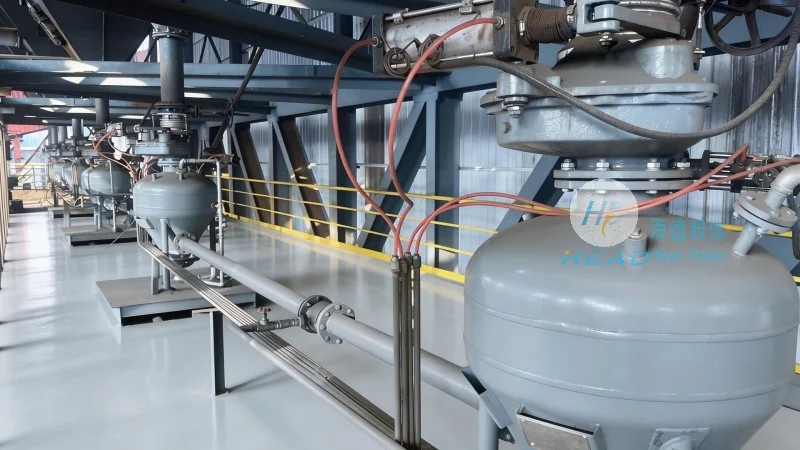
Operation Process of the Gray Powder Conveying System
The operation process of the gray powder conveying system begins with the loading of gray powder into the hopper. Once the hopper is filled, the conveyor system activates, initiating the transport of the material. The material is then moved through the pipeline to the processing point, where it is discharged for further use. The system is equipped with safety features, such as pressure relief valves and dust collection systems, to ensure safe and reliable operation. Regular maintenance, including cleaning and inspection of components, is essential to prolong the system's lifespan and maintain its efficiency.
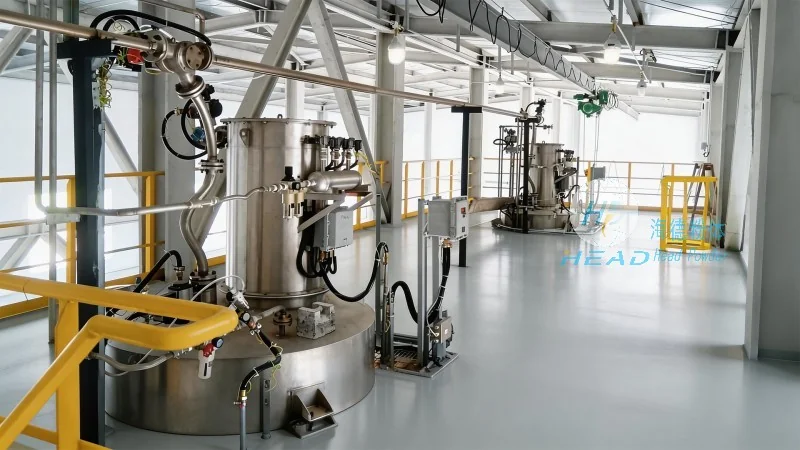
Key Components and Their Functions
The gray powder conveying system consists of several key components, each playing a vital role in the overall operation. The hopper serves as the primary storage unit, providing a large capacity to accommodate bulk quantities of gray powder. The conveyor mechanism, which can be either a screw conveyor or a pneumatic system, is responsible for moving the material through the pipeline. The control panel manages the system's operations, allowing operators to adjust settings and monitor performance. Additionally, the system includes a dust collection system to capture and filter any airborne particles, ensuring a clean and safe working environment.
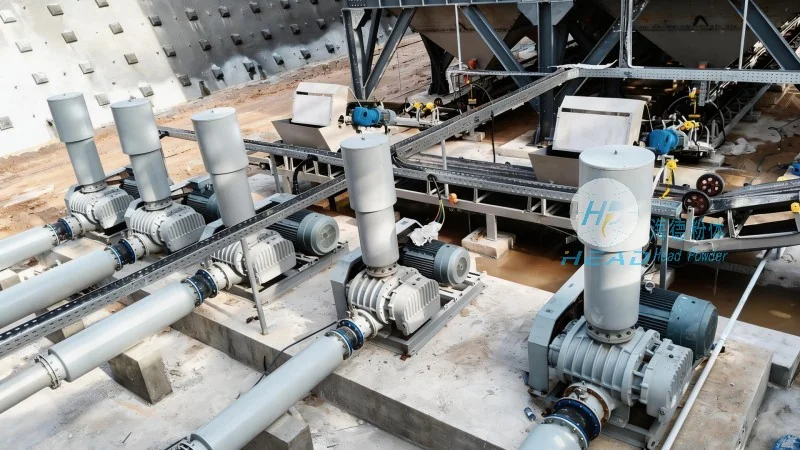
Advantages of the Gray Powder Conveying System
Implementing the gray powder conveying system offers several advantages for casting manufacturers. Firstly, it enhances production efficiency by reducing material handling time and minimizing downtime. The system's ability to transport large quantities of gray powder quickly and reliably ensures that production lines operate smoothly. Secondly, the sealed design of the system prevents dust contamination, which is critical for maintaining product quality and meeting environmental regulations. Thirdly, the system's modular design allows for easy integration with existing production lines, making it a cost-effective solution for upgrading or expanding operations. Finally, the system's durability and low maintenance requirements contribute to long-term cost savings and operational reliability.
Application in Casting Industry
The gray powder conveying system is widely used in various casting processes, including sand casting, investment casting, and die casting. In sand casting, the system efficiently transports gray powder (such as foundry sand) to the molding area, ensuring consistent material supply. In investment casting, the system handles fine gray powders used in the wax and sand processes, contributing to the precision and quality of the final castings. The system's adaptability to different powder types and processing requirements makes it a versatile solution for a wide range of casting applications.