

Operation Process and Working Principle of Fiber Powder Conveying System Equipment
For industrial applications that require the efficient and reliable transportation of fiber powders, the fiber powder conveying system equipment from Shandong HeadPowder Engineering Co., Ltd. offers a robust solution. This equipment is designed to handle the unique challenges associated with fiber powders, ensuring smooth operation and minimal downtime. The following sections will explore the operation process and working principle of this system, highlighting its key components and how they contribute to effective material handling.
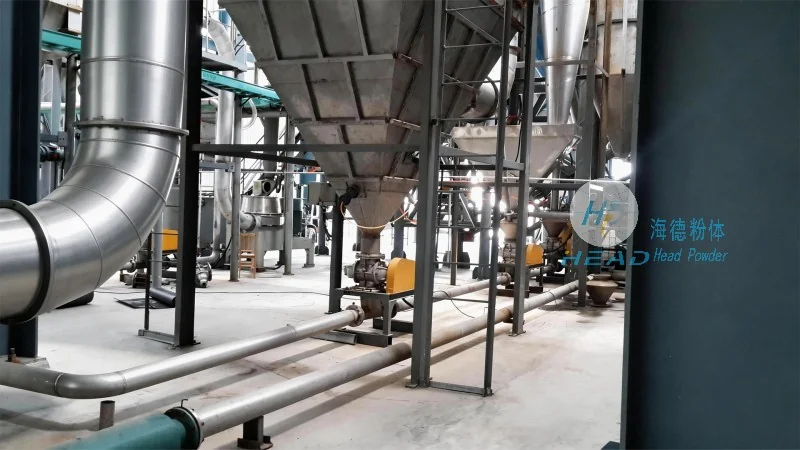
Overview of the Fiber Powder Conveying System
The fiber powder conveying system is a comprehensive setup engineered to transport fiber powders from storage to processing units or other destinations within an industrial facility. It typically includes components such as hoppers, feeders, conveyors, and control systems, all integrated to work in harmony. The system is built to accommodate various types of fiber powders, including those with different particle sizes, moisture content, and flow characteristics. By leveraging advanced engineering and material science, the system ensures that the handling process is both efficient and safe.
Key Components and Their Functions
Each component of the fiber powder conveying system plays a critical role in the overall operation. The hopper serves as the primary storage vessel, holding the fiber powder and providing a controlled feed to the feeder. The feeder, often a screw or vibratory type, regulates the flow of powder into the conveyor, preventing overloading and ensuring a consistent rate of material transfer. The conveyor, which may be a pneumatic or mechanical system, transports the fiber powder through the system, using air pressure or mechanical force to move the material. The control system monitors and adjusts the operation of the feeder and conveyor, maintaining optimal performance and preventing issues such as blockages or uneven flow.
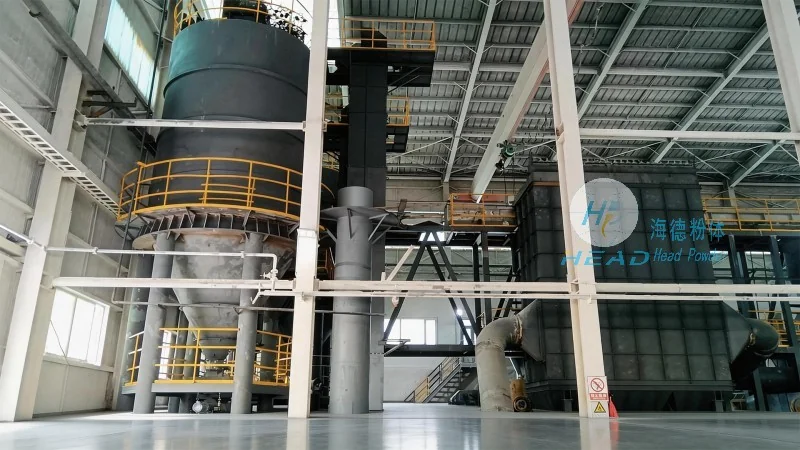
Operation Process: Step-by-Step
The operation of the fiber powder conveying system follows a systematic process, starting with the loading of the hopper. The fiber powder is fed into the hopper from a storage silo or container. Once the hopper is filled, the feeder begins to regulate the flow of powder into the conveyor. The conveyor then transports the powder to the next stage of the process, such as a mixing or processing unit. The control system continuously monitors the pressure, flow rate, and other parameters to ensure that the system operates within safe and efficient limits. If any issues arise, such as a blockage or a change in powder characteristics, the control system will trigger alerts or adjustments to maintain smooth operation.
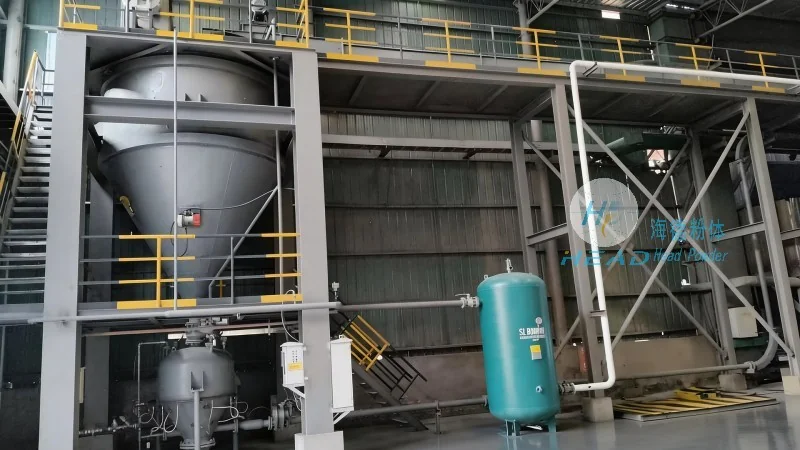
Working Principle: How It Works
The working principle of the fiber powder conveying system is based on the physics of fluidization and pneumatic transport. The system uses a combination of air pressure and mechanical force to move the fiber powder. The hopper provides a controlled environment where the powder is stored, and the feeder ensures a consistent flow. The conveyor, whether pneumatic or mechanical, uses air to create a flow path for the powder, or mechanical components to push the powder along. The control system manages the entire process, adjusting the speed of the feeder and the pressure of the air in the conveyor to maintain optimal conditions. This integrated approach ensures that the fiber powder is transported efficiently and safely, minimizing the risk of material degradation or equipment damage.
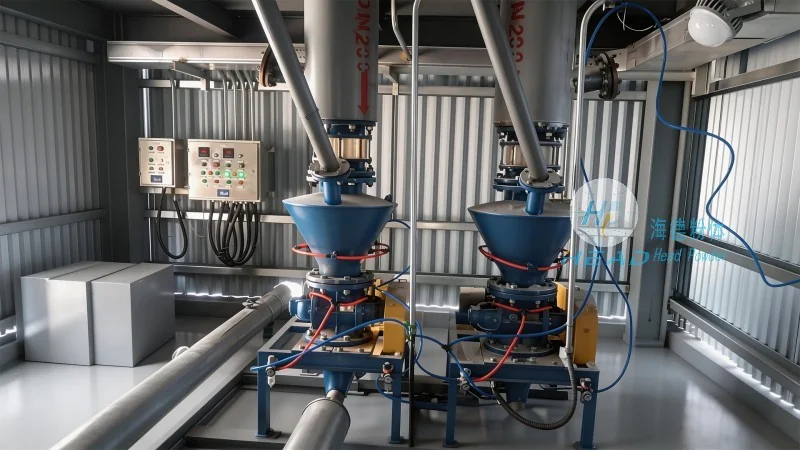
Advantages of the Fiber Powder Conveying System
Implementing a fiber powder conveying system offers several advantages for industrial operations. First, it improves the efficiency of material handling by reducing the time and labor required to transport fiber powders. The system can handle large volumes of material with minimal human intervention, increasing productivity. Second, it enhances safety by minimizing the exposure of workers to dust and other hazards associated with handling fiber powders. The enclosed system and controlled flow reduce the risk of dust explosions or respiratory issues. Third, it ensures consistent quality by maintaining the integrity of the fiber powder during transport. The system prevents agglomeration or segregation of the powder, which can affect the quality of the final product. Finally, it provides flexibility, allowing the system to be adjusted to handle different types of fiber powders or to integrate with other processing equipment.
Conclusion
The fiber powder conveying system from Shandong HeadPowder Engineering Co., Ltd. is a reliable and efficient solution for industrial applications requiring the transportation of fiber powders. By understanding the operation process and working principle of this system, users can appreciate its design and functionality. The system's components work together to ensure smooth and safe operation, making it an essential part of modern industrial material handling. With its robust construction and advanced control features, this equipment is well-suited for various industries, including pharmaceuticals, food processing, and chemical manufacturing.