

Operation Process and Working Principle of Peanut Kernels Material Conveying
Efficient material handling is a critical aspect of modern food processing operations, particularly for products like peanut kernels. The design and operation of peanut kernels material conveying systems play a pivotal role in ensuring smooth production flow, maintaining product quality, and enhancing overall operational efficiency. In this article, we will delve into the operation process and working principles of such systems, providing a comprehensive overview that is essential for understanding their functionality and benefits.
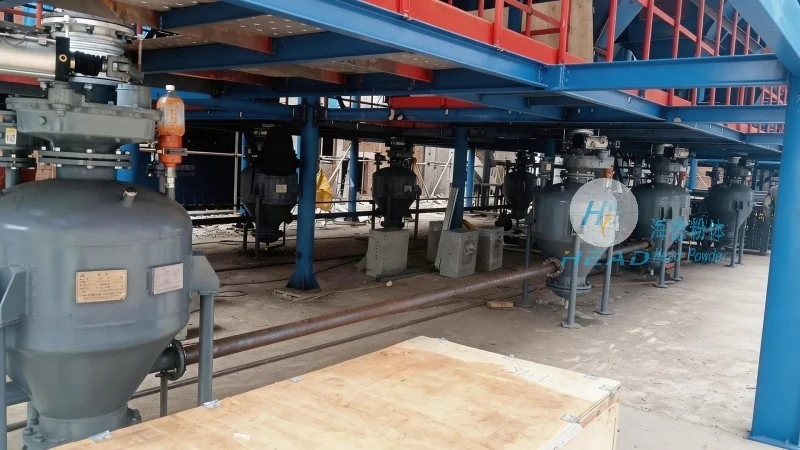
The Operation Process of Peanut Kernels Material Conveying
At Shandong HeadPowder Engineering Co., Ltd., our peanut kernels material conveying systems are engineered to meet the demanding requirements of the food processing industry. The operation process typically begins with the intake of raw peanut kernels, which are then transported through a series of components designed to handle the material efficiently. The process involves several key stages, each contributing to the seamless movement of the product from one stage of production to the next.
First, the raw peanut kernels are fed into the conveying system via a hopper or feeder. This initial step ensures that the material is uniformly introduced into the system, preventing blockages and ensuring consistent flow. The feeder may be equipped with adjustable speed controls to regulate the intake rate, allowing operators to match the conveying capacity with the downstream processing requirements. Once the kernels are properly fed, they are transferred to the main conveying mechanism, which could be a belt conveyor, screw conveyor, or pneumatic conveyor, depending on the specific design and application.
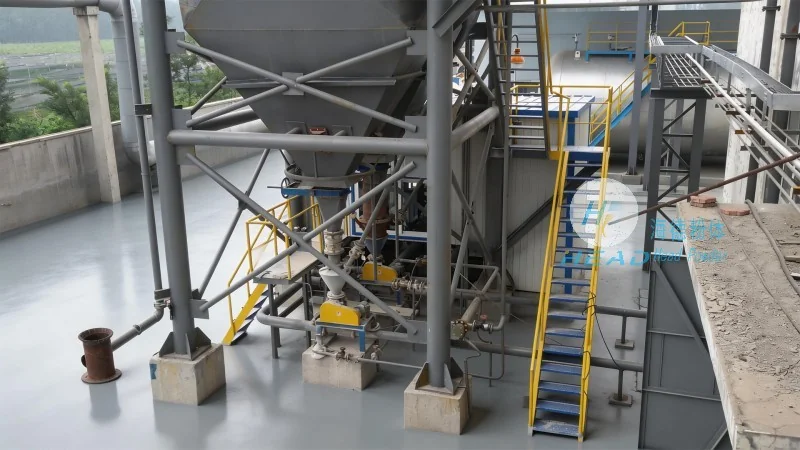
During the conveying process, the system maintains a controlled environment to preserve the quality of the peanut kernels. This includes temperature and humidity control, as well as protection from contaminants. The conveying components are designed with materials that are non-reactive and easy to clean, ensuring compliance with food safety regulations. For example, stainless steel is commonly used for the construction of conveyor belts and housing, providing durability and resistance to corrosion. The system also incorporates safety features, such as emergency stop buttons and protective guards, to safeguard operators and prevent accidents.
As the peanut kernels move through the conveyor, they may undergo additional processing steps, such as cleaning or sorting. These operations are integrated into the conveying system to minimize material handling and maximize efficiency. For instance, a cleaning station may be incorporated into the conveyor line, where water or air is used to remove dust and debris from the kernels. Similarly, a sorting mechanism, such as a vibrating screen or optical sorter, may be used to separate out damaged or unqualified kernels from the good ones. These steps are crucial for maintaining product quality and meeting customer specifications.
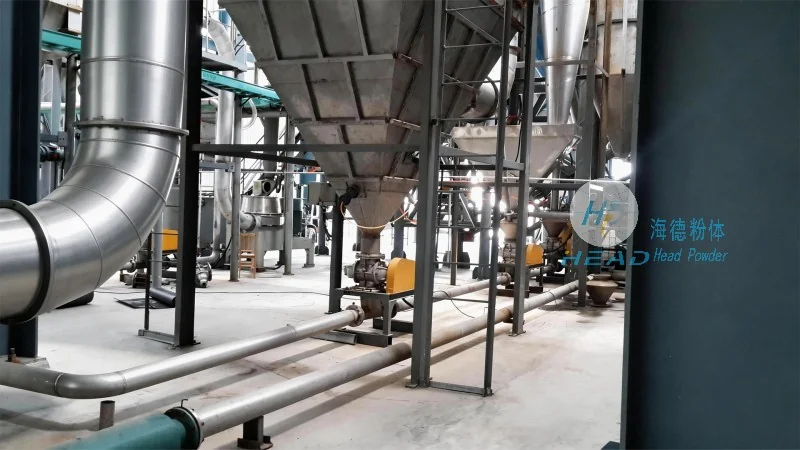
After the processing stages, the peanut kernels are discharged from the conveying system into a storage bin or directly to the next production stage. The discharge mechanism is designed to ensure a controlled and uniform flow of the material, preventing spillage and ensuring that the downstream equipment receives the correct amount of product. The system may also include a level sensor to monitor the material level in the storage bin, providing feedback to the feeder for automatic adjustment of the intake rate.
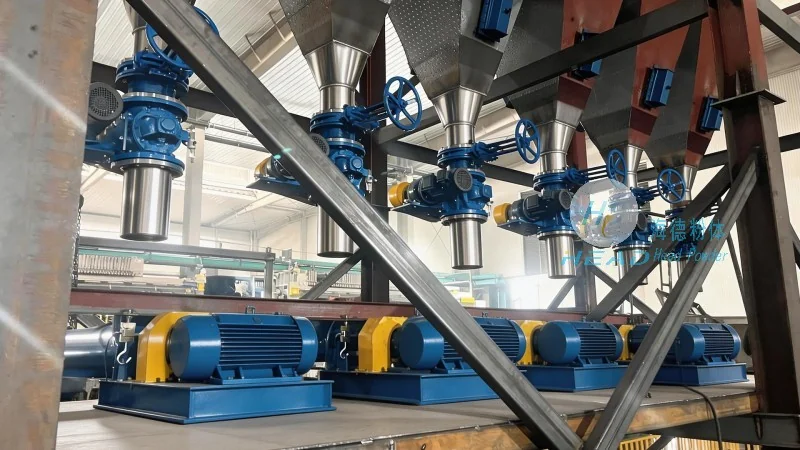
Working Principles of Peanut Kernels Material Conveying Systems
The working principles of peanut kernels material conveying systems are based on the application of mechanical forces to move the material from one location to another. The primary mechanisms used in these systems include gravity, friction, and air pressure, depending on the type of conveyor employed. Each mechanism operates in a specific manner to achieve the desired conveying effect.
For belt conveyors, the working principle involves the use of a continuous belt that is driven by a motor and pulley system. The belt is supported by rollers or idlers, which allow it to move smoothly along the conveyor path. The peanut kernels are placed on the belt and are carried forward by the movement of the belt. The speed of the belt can be adjusted to control the conveying rate, and the inclination of the conveyor can be modified to influence the flow of the material. Belt conveyors are particularly suitable for horizontal or slightly inclined applications, where the material is relatively light and free-flowing.