

Operation Process and Working Principle of Latex Powder Material Handling
Latex powder material handling is a critical process in various industrial applications, particularly in the manufacturing and processing sectors where efficient and reliable transportation of latex powder is essential for maintaining production efficiency and product quality. The operation process and working principle of latex powder material handling systems involve a series of steps and mechanisms designed to ensure safe, consistent, and effective movement of the material from one location to another.
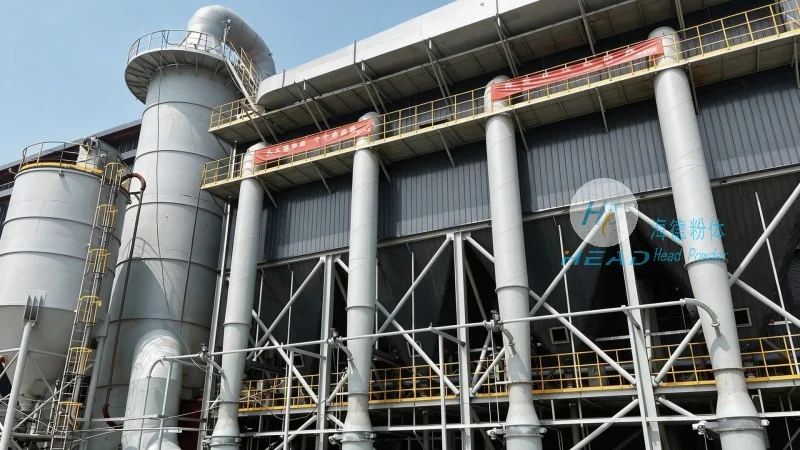
Company Introduction: Shandong HeadPowder Engineering Co., Ltd.
Headpowder, as the name suggests, is a leading engineering company specializing in the design, manufacturing, and implementation of material handling solutions. With a strong presence in Shandong, China, HeadPowder Engineering Co., Ltd. has established itself as a trusted partner for businesses seeking advanced and customized latex powder handling systems. The company's expertise lies in understanding the unique challenges of latex powder processing and developing tailored solutions that meet the specific needs of clients across different industries.
Overview of Latex Powder Material Handling Systems
Latex powder material handling systems are engineered to handle the physical properties of latex powder, which can vary in terms of particle size, moisture content, and flow characteristics. These systems are designed to ensure that the powder is transported without degradation, caking, or loss of quality. The core components of such systems typically include feeders, conveyors, storage silos, and control systems, all working in harmony to achieve seamless material flow.
Key Components and Their Functions in Material Handling
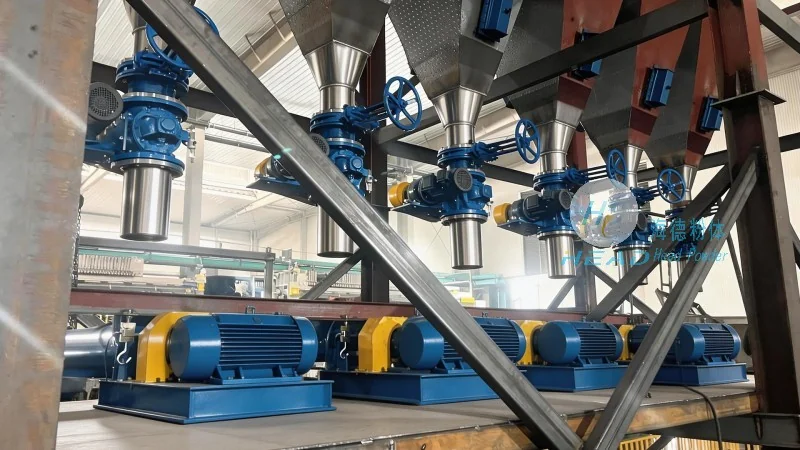
1. Feeding Equipment: The initial stage of the material handling process involves feeding the latex powder into the system. This is usually done using specialized feeders, such as rotary valves or screw feeders, which can regulate the flow rate and prevent material buildup. The feeding equipment is crucial for maintaining a consistent feed rate, which directly impacts the efficiency of the entire system.
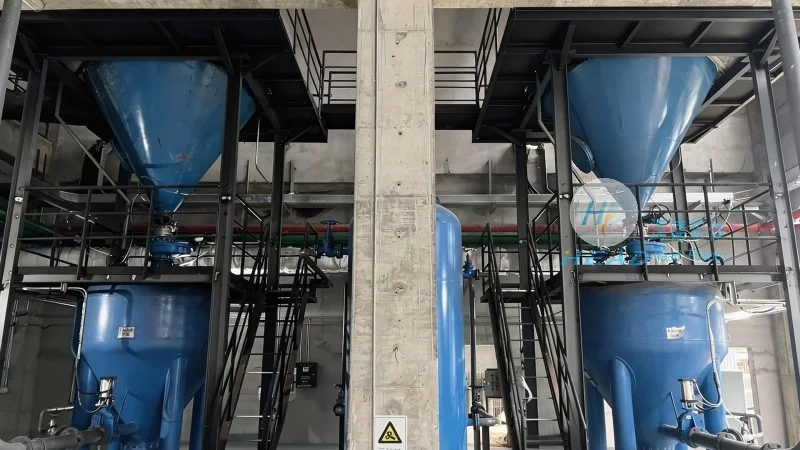
2. Conveyor Systems: Once the latex powder is fed into the system, it is transported through conveyor systems. These systems can include belt conveyors, pneumatic conveyors, or screw conveyors, depending on the specific requirements of the application. Belt conveyors are commonly used for horizontal or slight incline transport, while pneumatic conveyors are ideal for long-distance or vertical transport due to their ability to handle fine powders without clogging.
3. Storage Silos: After the material is conveyed to its destination, it may be stored in silos or bulk containers. These storage units are designed to maintain the quality of the latex powder by controlling moisture levels and preventing contamination. The silos are equipped with aeration systems and level indicators to ensure proper management of the stored material.
4. Control Systems: Modern latex powder material handling systems are equipped with advanced control systems that monitor and regulate the entire process. These systems use sensors and automation technology to adjust flow rates, detect blockages, and ensure safety. The control systems provide real-time data on the material flow, allowing operators to make informed decisions and optimize the operation.
The Operation Process of Latex Powder Material Handling
The operation process of latex powder material handling begins with the loading of latex powder into the storage silo. The powder is then fed into the conveyor system through the feeding equipment. The conveyor transports the powder to the processing or packaging area. During this process, the control system continuously monitors the flow and adjusts parameters as needed. The entire operation is designed to be automated, minimizing human intervention and reducing the risk of errors or accidents.
Working Principle of the Material Handling System
The working principle of the latex powder material handling system is based on the principles of fluidization and pneumatic transport. In pneumatic systems, the latex powder is suspended in a stream of air and transported through pipes. The air flow is controlled to maintain the powder in a fluidized state, preventing it from settling or caking. The screw conveyors use mechanical rotation to move the powder along the conveyor, ensuring a consistent and controlled flow. The combination of these mechanisms allows for efficient and reliable transportation of latex powder, even in challenging conditions.
Benefits of Efficient Latex Powder Material Handling
Efficient latex powder material handling offers several benefits to industrial operations. Firstly, it improves production efficiency by ensuring a consistent and uninterrupted flow of material. This reduces downtime and increases output. Secondly, it enhances product quality by preventing contamination and degradation of the latex powder. Thirdly, it improves safety by minimizing the risk of dust explosions and other hazards associated with handling powders. Finally, it reduces operational costs by optimizing energy usage and minimizing waste.
Conclusion
Latex powder material handling is a complex but essential process that requires specialized equipment and expertise. Companies like Shandong HeadPowder Engineering Co., Ltd. play a vital role in providing advanced and reliable material handling solutions that meet the needs of modern industrial applications. By understanding the operation process and working principle of these systems, businesses can optimize their operations, improve efficiency, and ensure the quality of their products. The continuous development of material handling technology will further enhance the capabilities of latex powder processing, enabling industries to achieve higher levels of productivity and sustainability.