

Operation Process and Working Principle of PE Granule Material Conveying
PE granule material conveying systems are integral to modern industrial operations, facilitating the efficient transport of polyethylene (PE) granules from storage to processing units. The process involves a series of coordinated components and mechanisms designed to ensure smooth, reliable, and safe material handling. This article explores the operational workflow and underlying principles of such systems, highlighting key elements and their functional roles.
Key Components of PE Granule Conveying Systems
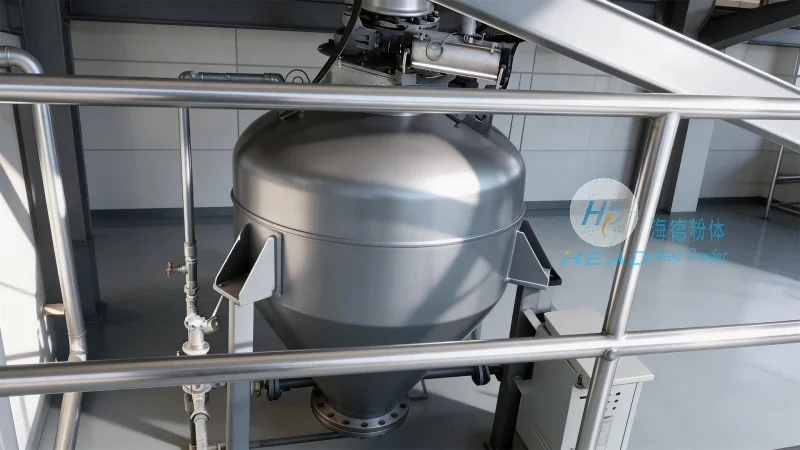
At the core of PE granule conveying are several essential components that work in tandem to achieve effective material transport. These include feed hoppers, conveyor belts or screw conveyors, drive mechanisms, control systems, and discharge units. Each component plays a critical role in the overall system performance.
Feed Hopper and Material Loading
The conveying process begins with the feed hopper, which serves as the initial storage and feeding unit for PE granules. The hopper is typically designed with a sloped bottom to facilitate gravity-assisted material flow. A gate or valve mechanism controls the release of granules into the conveyor system. Proper hopper design ensures uniform material distribution and prevents blockages or uneven feeding, which could disrupt the conveying process.
Conveyor Mechanism: Belt or Screw Conveyors
The primary conveyor mechanism in PE granule systems can be either a belt conveyor or a screw conveyor, depending on the application and material characteristics. Belt conveyors use a continuous belt looped over pulleys, with the granules resting on the belt surface. The belt is driven by a motor, moving the material forward. Screw conveyors, on the other hand, utilize a rotating screw (auger) to push granules along a trough. Both systems are chosen based on factors like material density, flowability, and system layout.
Drive and Control Systems
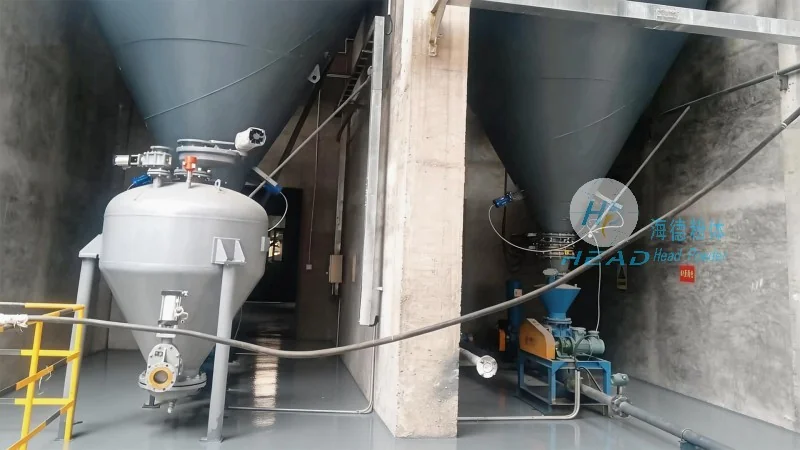
Drive mechanisms, such as electric motors or gearboxes, provide the necessary power to move the conveyor components. These systems are often equipped with variable speed drives, allowing operators to adjust the conveying speed based on production requirements. Control systems, including sensors and programmable logic controllers (PLCs), monitor the system's operation, ensuring safety and efficiency. Sensors detect material levels, belt tension, and potential blockages, triggering alerts or automatic shutdowns if issues arise.
Discharge and Material Handling
At the end of the conveying path, the PE granules are discharged into a processing unit or storage container. The discharge unit is designed to minimize spillage and ensure a controlled release of material. In some systems, additional components like vibrating screens or air classifiers may be integrated to separate oversized or contaminated particles before discharge.
Working Principle: From Inlet to Outlet
The operational principle of PE granule conveying systems revolves around the transfer of material from the inlet (feed hopper) to the outlet (discharge point) through mechanical means. The process typically involves the following steps: 1. Material is loaded into the hopper and falls into the conveyor channel due to gravity. 2. The conveyor mechanism (belt or screw) moves the granules along the path. 3. Control systems monitor the flow and adjust parameters as needed. 4. The material is discharged at the end of the conveyor, ready for further processing. This continuous cycle ensures a steady supply of PE granules to downstream equipment, such as extruders or mixers.
Efficiency and Maintenance Considerations
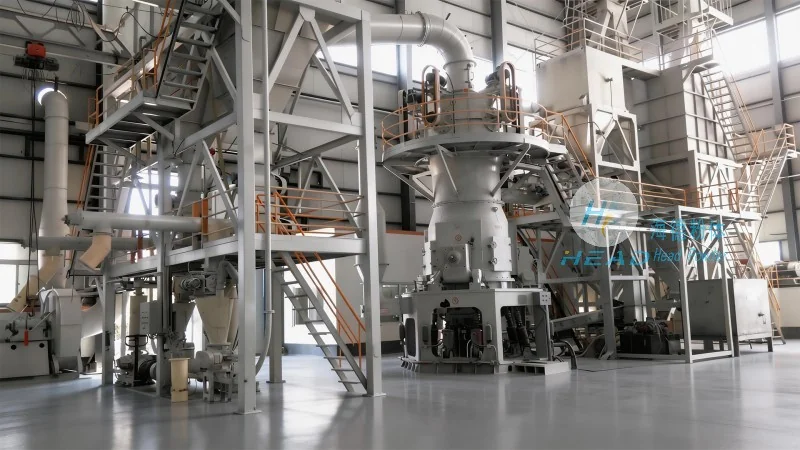
Efficient operation of PE granule conveying systems depends on regular maintenance and proper system design. Key maintenance tasks include cleaning conveyor belts or screw troughs to prevent material buildup, lubricating drive components, and checking sensor functionality. Proper maintenance extends the system's lifespan and ensures consistent performance. Additionally, system design considerations, such as the angle of inclination and material flow rate, are critical to preventing clogs and ensuring smooth operation.
Applications in Industrial Settings
PE granule conveying systems are widely used in various industries, including plastics manufacturing, chemical processing, and food processing. In plastics manufacturing, these systems transport PE granules to extrusion lines for producing films, pipes, or other products. In chemical processing, they handle PE granules for compounding or blending with other materials. The versatility of PE granules and the efficiency of conveying systems make them indispensable in modern industrial operations.
Conclusion
PE granule material conveying systems are sophisticated industrial solutions that combine mechanical engineering and control technology to ensure the reliable transport of polyethylene granules. By understanding the key components, operational workflow, and maintenance requirements, industries can optimize their material handling processes, enhancing productivity and reducing operational costs. The systems developed by Shandong HeadPowder Engineering Co., Ltd. exemplify the integration of advanced technology and practical design, catering to the diverse needs of modern manufacturing environments.